




INDUSTRY RISKS
· CONSTRUCTION

Occupational Safety Health Administration (OSHA) estimates that approximately 1.85 million workers are currently exposed to Respirable Crystalline Silica (RCS) in US construction workplaces. This, along with other risks such as gas exposure can come about due to certain processes and conditions in construction and building environments.

What are the risks?

  • Construction dust
  • Diesel Engine Exhaust Emissions (DEEE)
  • RCS
  • Wood dust
  • Diesel + petrol leaks
  • Flammable gases
  • Lead, pigments + catalysts
  • Solvents
  • Volatile Organic Compounds (VOCs)

Why may these risks occur?

  • Chasing concrete
  • Cutting paving blocks + tiles
  • Dry cutting + sweeping
  • Sanding + polishing wood
  • Scrabbling + grinding concrete
  • Use of construction vehicles
  • Cutting into natural materials
  • Mixing chemicals for materials
  • Use of construction vehicles
  • Welding + soldering materials
  • Confined space access

PRODUCT SOLUTIONS

Image of Particulate Monitoring
Particulate Monitoring

Image of Gas Detection
Gas Detection

Image of Software Solutions
Software Solutions

Image of Other Products
Other Products

Was this page helpful?

    More detail requiredMore variety of content neededIncorrect informationBroken linksHard to readUnclear page formatting

      DetailVariety of contentUseful informationEasy to readPage formatting

      GET PRODUCT UPDATES

        You may unsubscribe from these communications at any time. For more information on how to unsubscribe, our privacy practices, and how we are committed to protecting and respecting your privacy, please review our Privacy Policy.

        The scale of the dust problem in outdoor industrial environments

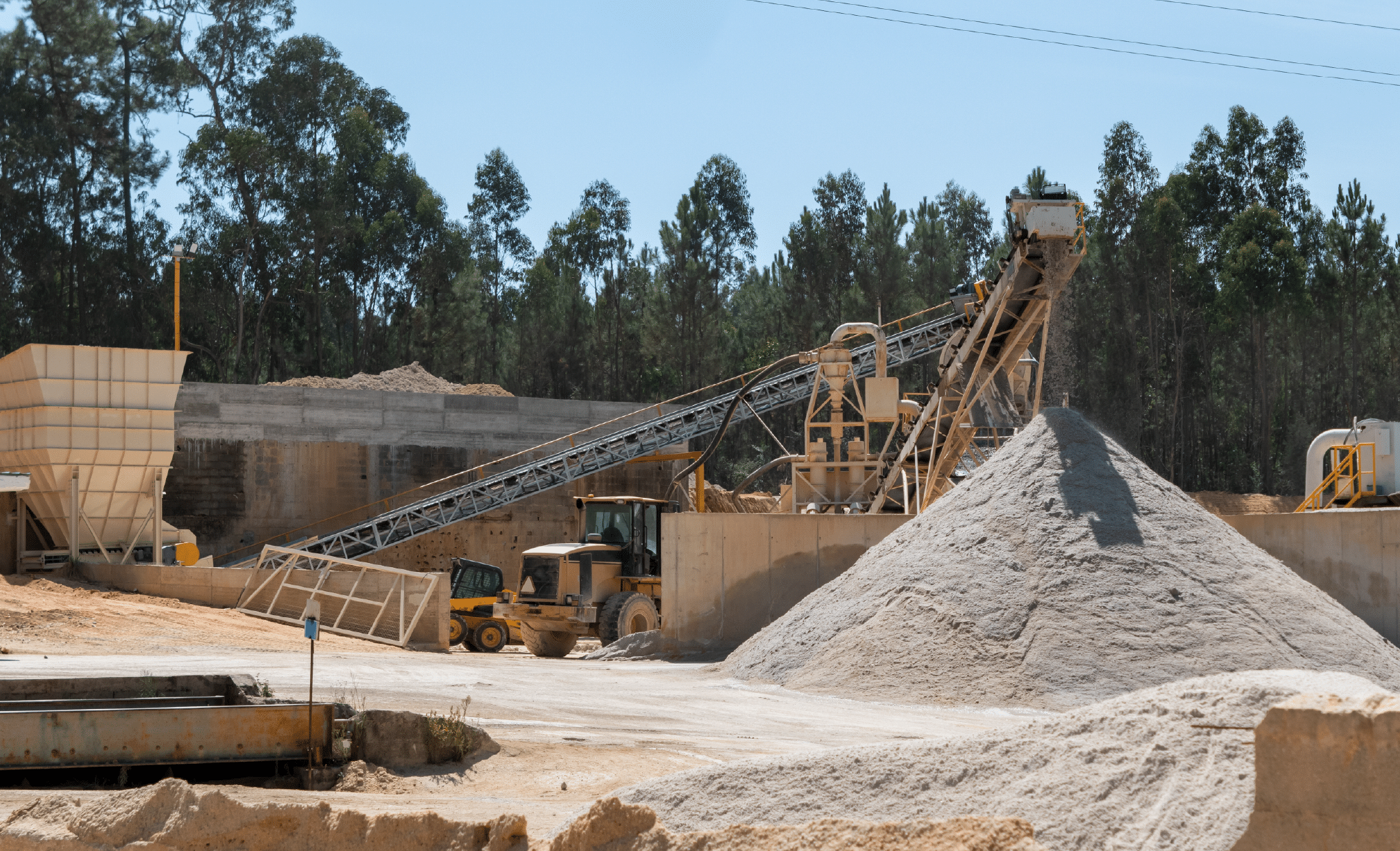
        Outdoor industrial environments include industries such as construction and quarrying and are at high risk of excess hazardous dust exposure. This type of dust is referred to as construction dust. Construction dust is often a cause of serious ill health for many workers, causing diseases such as Chronic Obstructive Pulmonary Disease (COPD), Occupational Asthma and Silicosis. 

        According to the UK’s Health and Safety Executive (HSE), the term construction dust “is a general term used to describe different dusts that you may find on a construction site” and is also produced through similar workplace processes. These different dusts include silica dust, created when working on materials such as concrete or stone, wood dust which is created when working on materials like softwood, hardwood, or wood-based products and ‘general dust’ created when working on materials like limestone or marble. 

        The main issue relating to construction dust is often the failure to effectively eliminate or minimise workers’ exposure to it, in and surrounding any outdoor industrial environment, as well as the methods taken to do this. 

        A broad range of workplace processes taking place in construction and quarrying essential to the job, like crushing, cutting, and grinding cause general dust to become airborne leading to exposure for workers. Similarly, when grinding into bricks, extraction of rock and similar processes using silica containing materials creates respirable crystalline silica (RCS) which, when inhaled, becomes incredibly harmful to the lungs.  

        Often, the scale of the hazard depends on varying factors, including time, location, and methods of working. If people are working on tasks for longer, in a more enclosed space or are not using effective control methods for the dust, e.g. dry sweeping the dust, they are more likely to increase their risk of dust exposure.  

        In many cases, it’s difficult to completely eliminate or substitute materials causing excess dust, due to the materials being used for the job. Therefore, workplaces may work in line with the Hierarchy of Controls to introduce engineering controls to isolate and limit workers from exposure to the hazard by altering the way the work. 

        Construction dust is a major issue for multiple countries. Worldwide, there are over 200 million people employed in both construction and quarrying industries, meaning there’s a high risk of all outdoor industry workers being exposed to occupational lung diseases. For example, in the UK, it’s estimated that between 3,000 – 4,000 construction workers per year suffer from a work-related breathing or lung issues.  

        Construction dust can affect different areas of an outdoor site. When completing processes such as grinding and cutting, dust may be closer to the breathing zone for individuals, heightening the chance of inhalation of hazardous particles. In contrast, processes like crushing and extraction may produce a larger amount of dust, making it airborne and spreading further affecting an entire site. 

        Because these mentioned workplace processes take place outdoor, this finite dust can spread across entire sites and even further afield. The Environmental Protection Agency estimate that particle pollution generated in one area of a workplace can travel hundreds or thousands of miles. 

        For all industry workers across an entire site, construction dust is a serious concern. Whilst workers directly involved in construction or quarrying processes are most at risk, any workers in nearby office cabins, the local communities or members of the public nearby can also be at risk, due to the nature of finite dust becoming airborne and spreading further afield.  

        In 2019, Joanna McNeil was employed by an Australian quarrying and construction materials company, where her office was located in a portable cabin. Despite being located around 100 metres away from the quarry, Joanna developed silicosis due to exposure to hazardous silica dust at the age of just 36.

        Almost anyone located on and nearby a construction or quarrying site can be severely affected by exposure to hazardous dust, whether directly involved in the workplace processes or simply by just being located nearby the worksite. 

        PARTICULATE MONITORING

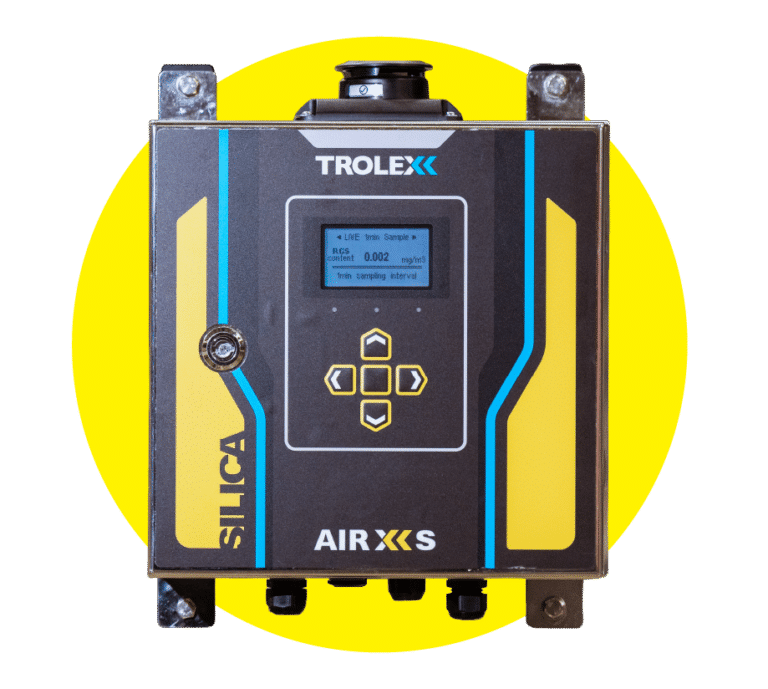
        Image of TX8100 AIR XS Silica Monitor
        TX8100 AIR XS Silica Monitor

        Image of TX8061 XD1+ Personal Dust Monitor
        TX8061 XD1+ Personal Dust Monitor

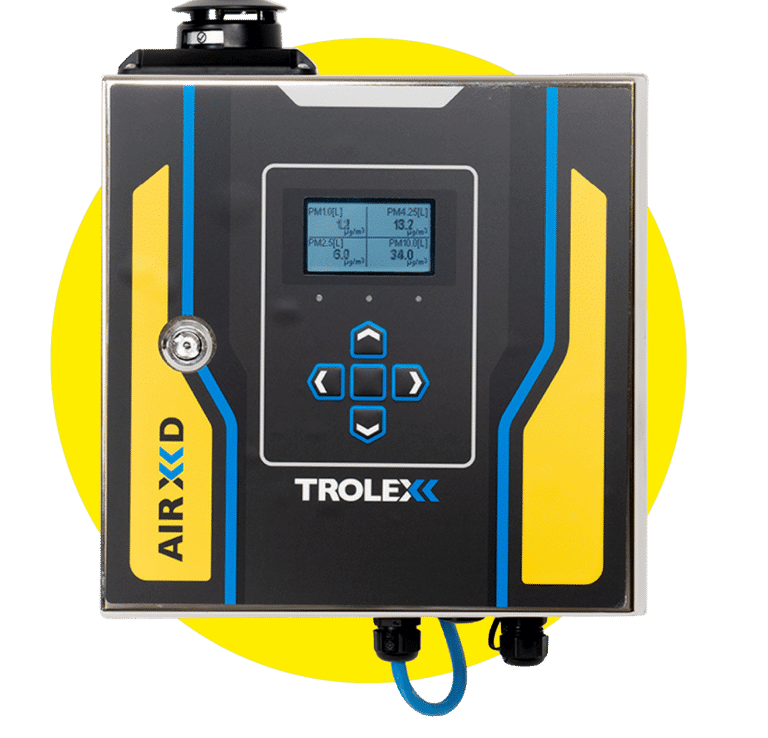
        Image of TX8005 AIR XD Dust Monitor
        TX8005 AIR XD Dust Monitor

        Image of TX8060 XD ONE Portable Dust Monitor
        TX8060 XD ONE Portable Dust Monitor

        GET AIR X UPDATES

          You may unsubscribe from these communications at any time. For more information on how to unsubscribe, our privacy practices, and how we are committed to protecting and respecting your privacy, please review our Privacy Policy.

          10 hazardous dusts in the workplace

          • Respirable Crystalline Silica is one of the most hazardous types of dust workers can be exposed to. RCS forms many types of natural materials such as stone, sand and rock, and is generated when these materials are cut, ground or made fine through various different workplace processes. 
          • Common industries exposed to RCS: Construction, mining + stone working 
          • Asbestos dust is generated through the damaging of asbestos-containing materials such as cements, tiles and other products in manufacturing environments. When airborne, asbestos dust is easily inhaled due to its small size and scars deep into the lungs, causing lung diseases. 
          • Common industries exposed to asbestos dust: Construction, demolition + manufacturing
          • Substances and ingredients which are used to make pharmaceutical products can often create high levels of hazardous dust during processes such as milling, pressing, blending and grinding. API dusts can include organic compounds, metal powders and combustible properties. 
          • Common industries exposed to API: Chemical Manufacturing + Pharmaceutical 
          • Coal dust is generated in various underground environments when coal is being mined for, in rocks and other natural structures and materials. Cutting, grinding and blasting rocks makes coal dust easily inhalable, especially in environments with limited ventilation or space, such as underground. 
          • Common industries exposed to coal dust: Mining, quarrying, gold (open-pit) mining + tunnelling 
          • Construction dust can be generated from any kind of construction activity, whether cutting, drilling, mixing materials, building infrastructure, or other processes. Materials like stone, cement, sand and brick generate fine, respirable materials which create high levels of construction dust. 
          • Common industries exposed to construction dust: Construction + quarrying 
          • Grain dust is created when using barley, wheat and other natural materials from farming and harvesting. These processes in agriculture, as well as the manufacturing of grains in food production lead to grain dust exposure, generated from handling, transferring, milling and mixing grain. 
          • Common industries exposed to grain dust: Agriculture + food production
          • Flour dust is generated through mixing, cutting and handling flour, whether from initial farming and harvesting of crops, to processing it in food production. Exposure to flour dust can be dangerous, as its easily inhaled due to its small size and common use and worker exposure in food processing
          • Common industries exposed to flour dust: Agriculture + food production 
          • Textile dust is generated during apparel and clothing manufacturing due to processes such as drawing, carding, spinning, handling materials, and others, particularly due to the properties of wool, cotton and fibres. Occupational asthma and respiratory irritation is common for workers exposed to textile dust.  
          • Common industries exposed to textile dust: Textile + apparel manufacturing 
          • Fine metal particles generated through welding can lead to various occupational illnesses. Welding at high temperatures, above certain materials boiling point generates high levels of metal dust, particles and fumes which need to be effectively controlled during welding processes. 
          • Common industries exposed to welding dust: Manufacturing + welding 
          • Sawing, cutting and drilling into wood products often generates high levels of dust. This can be either hardwood dust, generated from oak or beech trees, or softwood dust, such as pine or fir trees. Exposure to hardwood dust can cause serious cancers, whilst softwood dust can cause respiratory irritation. 
          • Common industries exposed to wood dust: Construction, forestry + woodwork 

          PARTICULATE MONITORING

          Image of TX8100 AIR XS Silica Monitor
          TX8100 AIR XS Silica Monitor

          Image of TX8061 XD1+ Personal Dust Monitor
          TX8061 XD1+ Personal Dust Monitor

          Image of TX8005 AIR XD Dust Monitor
          TX8005 AIR XD Dust Monitor

          Image of TX8060 XD ONE Portable Dust Monitor
          TX8060 XD ONE Portable Dust Monitor

          GET AIR X UPDATES

            You may unsubscribe from these communications at any time. For more information on how to unsubscribe, our privacy practices, and how we are committed to protecting and respecting your privacy, please review our Privacy Policy.

            5 effective ways to control dust in the workplace

            The dust problem

            Where its not possible or reasonably practical to completely prevent exposure to hazardous dust in your workplace, implementing control methodduring dusty processes can help reduce your exposure to dust in the workplaceThis short guide will look at effective control methods as well as the Hierarchy of Controls, with 5 effective ways to control dust in your workplace.

            By segregating processes which produce large volumes of dust, you can control the amount of dust your workers are exposed toIn some cases, it may even be possible to make the process entirely automated, meaning no workers are exposed to dust. Introducing a remote operation, e.g. a separate room or section within a facility meaning workers completing the dusty process never directly come into contact with the excess dust created. This process means that if workers have to complete a task which is likely to create excess hazardous dust, they spend as little, or if possible, no time exposed to the dust. 

            In cases where segregation isnt possible, extraction is an option to control excess dust. Local Exhaust Ventilation (LEV) systems can be built into machines or processes which create excess dust. LEV and extraction systems collect contaminants like dust and filter out the contaminants before they’re released into the air. This process can be used for multiple processes within the workplace such as storage bins, grinding mills, conveyors, mixing machines and many more, ensuring that when excess dust is created it does not come into direct contact with workers during these processes. 

            Using less-toxic materials, where applicable, is another suitable method for controlling dust exposure in your workplace. For example, the use of pellets rather than powders, or replacing sand with garnet as abrasive blasting agent can allow workers to produce a similar end product during workplace processes whilst minimising risk of dust exposure. By substituting out materials for less toxic alternativesworkers can continue their processes throughout the day, at less, or almost no risk to their respiratory health.

            The use of wet methods can provide almost no airborne dust during workplace methods. Damping down materials such as stone and concrete, which are used for many workplace processes and usually create high levels of dust when disturbed, can mean potential airborne dust is limited due to the particles binding together when wet. Similarly, methods of cleaning such as dry sweeping dust or compressed air lines can spread and disturb hazardous dust across the workplace, making it airborne and posing a threat to workers healthcontrolling excess dust and reduce the risk to workers. 

            Excess dust is a consist problem in workplaces where highly dusty processes occur, especially if it is not possible to completely eliminate the risk of dust. By maintaining cleanliness, encouraging workers to work with care and instructing them how to control the dust produced in their work processes by following the methods mentioned, control of dust can become a regular process in the workplace. 

            PARTICULATE MONITORING

            Image of TX8100 AIR XS Silica Monitor
            TX8100 AIR XS Silica Monitor

            Image of TX8061 XD1+ Personal Dust Monitor
            TX8061 XD1+ Personal Dust Monitor

            Image of TX8005 AIR XD Dust Monitor
            TX8005 AIR XD Dust Monitor

            Image of TX8060 XD ONE Portable Dust Monitor
            TX8060 XD ONE Portable Dust Monitor

            GET AIR X UPDATES

              You may unsubscribe from these communications at any time. For more information on how to unsubscribe, our privacy practices, and how we are committed to protecting and respecting your privacy, please review our Privacy Policy.

              Deploying AIR X Particulate Monitoring technology

              Particulate Monitoring

              AIR X real-time area dust monitoring, personal dust monitoring and silica monitoring can provide safety for workers in multiple ways. There isn’t a one-size-fits-all approach for how it’s required to be used, and the benefits can differ depending on who’s using it. No matter what industry, location or workplace it’s being deployed, real-time monitoring can protect your workers if there’s airborne dust at present. 

              Here’s 5 effective ways of deploying AIR X real-time particulate monitoring to your operations. 

              The ability to know in real-time when dust exposure limits are breached and to see all the data your real-time dust monitor picks up throughout your working day allows you to find the root of your dust problem. With Audio/Visual alarms and live readings for dust level breaches, you can deduce exactly which processes are causing excess dust levels. Similarly, by viewing data over full shifts and seeing when dust levels are highest, you can deduce what processes were completed at that time, to find the root of your dust problem. By finding the root of your dust problem, effective control measures can then be introduced. 

              AIR X real-time particulate monitors have single-user configurable Audio/Visual alarm that can be used to warn users of a specific particulate threshold breaches based on a chosen limit or value. For example, in the UK, the Workplace Exposure Limit for Respirable Crystalline Silica is 0.1 mg/m3 over an 8-hour period. A customisable alarm can be set on your TX8100 AIR XS Silica Monitor will alert you in real-time if the threshold is breached during your working dayThis allows you and your workforce to work as normal throughout their day, knowing that you’ll be alerted as soon as youre set limits are breached.  

              Our real-time dust monitoring technology can be deployed as either fixed, area or personal monitoring, so workers in any location of your workplace can monitor for dust in real-time. This allows for all areas of the workplace to consistently monitor for excess dust, as well as deduce which areas of the workplace are at higher risk of dust exposure. Deploy the full range of AIR X particulate monitors alongside one another to provide the more accurate and reliable readings of dust levels, all in real-time, so your workers are protected across entire shifts, across the whole workplace. 

              All our AIR X technology has supporting software, via desktop and in some cases mobile, to view all live and historical data. Breathe Software allows you to view data as it happens and view up to 10-years’ worth of data, so you can consistently track any changes as they happen over time. By viewing all the data your dust monitor picks up, you can see when dust levels peak and from this deduce the most effective control measures that need to be introduced in line with what process cause the spike and where this was occurring.

              The ability to know in real-time when dust exposure limits are breached and to see all the data your real-time dust monitor picks up throughout your working day means you can work in-line with the Hierarchy of Controls, to eliminate or substitute the hazard, and introduce control measures for excess dust. By finding the root of your dust problem through real-time dust monitoring, you can not only introduce dust control measures to eliminate or reduce exposure to dust but can also effectively monitor your control measures to see how effective theyre working, and make vital and supported business decisions if further changes are required. 

              PARTICULATE MONITORING

              Image of TX8100 AIR XS Silica Monitor
              TX8100 AIR XS Silica Monitor

              Image of TX8061 XD1+ Personal Dust Monitor
              TX8061 XD1+ Personal Dust Monitor

              Image of TX8005 AIR XD Dust Monitor
              TX8005 AIR XD Dust Monitor

              Image of TX8060 XD ONE Portable Dust Monitor
              TX8060 XD ONE Portable Dust Monitor

              GET AIR X UPDATES

                You may unsubscribe from these communications at any time. For more information on how to unsubscribe, our privacy practices, and how we are committed to protecting and respecting your privacy, please review our Privacy Policy.

                5 ways AIR X software technology protects your workplace

                AIR X Software

                Knowing you have a dust problem is one thing. Being able to do something effective about the problem is another. Thanks to Trolex real-time dust monitoring technologyall the data collected can be accessed, viewed and interrogated to make vital business decisions and actively protect you and your worker’s health. Here’s 5 effective ways of using our AIR X particulate monitoring software. 

                First and foremost, the benefit of seeing dust levels in real time is being able to deduce whether you, youworkers and your occupational environments are safe. Respirable dust is smaller than 10 μm meaning its invisible to the human eye, yet its so finite that it can easily be breathed in and penetrate the lungs. You may be breathing in respirable dust and putting your respiratory health at risk without even knowing it. But with real-time dust data, you can know exactly how much dust you’re exposed to throughout your working day and introduce the necessary steps to protect your respiratory health. 

                Real-time dust data isn’t just available for live readings in real timeCompatible with all our real-time monitoring technology, our Breathe Software collects and stores data for up-to 10-years, so you can see changes in your dust levels for the entire previous decade. You can track trends in the dust levels your workers are exposed to over a period of time in your working day, week, month or year and determine whether you and your workers have been exposed to potentially hazardous substances over that period.

                Our dedicated real-time dust monitoring software allows you to personalise all the relevant settings for your Trolex real-time dust monitor. If the dust monitor is alarming you of dust levels irrelevant to your local legislative limits, it’s not necessarily going to protect you as effectively as if it’s alarming you of the dust levels in your local environment. Our Breathe software lets you set dust levels specific to your environment and workplace to ensure you’re constantly monitoring for dust levels in the most effective way possible.  

                Real-time dust data allows you to see trends in your dust levels over a set period and subsequently introduce vital control measures to effectively manage and control dust. Our dedicated Breathe Software allows you to understand at what time peak dust levels were in your working day and deduce what activities were taking place during this time, so you can introduce relevant and effective control measures to prevent future dust from becoming airborne at this time. 

                After introducing control measures, you can continue to use real-time dust data through our dedicated Breathe Software to see how effective these control measures are in controlling dust. If you can’t continually track dust levels over time, it’s impossible to know if your control measures are working effectively, which could cost money, time and most importantly harm your health and wellbeing. However, thanks to Breathe Software, you can see how dust levels are affected by introducing control measures and subsequently make vital decisions to continue to control dust exposure. 

                PARTICULATE MONITORING

                Image of TX8100 AIR XS Silica Monitor
                TX8100 AIR XS Silica Monitor

                Image of TX8061 XD1+ Personal Dust Monitor
                TX8061 XD1+ Personal Dust Monitor

                Image of TX8005 AIR XD Dust Monitor
                TX8005 AIR XD Dust Monitor

                Image of TX8060 XD ONE Portable Dust Monitor
                TX8060 XD ONE Portable Dust Monitor

                GET AIR X UPDATES

                  You may unsubscribe from these communications at any time. For more information on how to unsubscribe, our privacy practices, and how we are committed to protecting and respecting your privacy, please review our Privacy Policy.

                  5 industries where real-time silica monitoring is effective

                  Each year thousands of construction workers contract or die from respiratory diseases from exposure to dust, including silica dust. This can be due to direct exposure on site or simply by just working nearby the construction site, e.g. in a nearby office or cabin.  

                  Obviously, activities such as drilling, cutting and building generates dust, as raw materials such as brick and stone are disturbed and ground down, making fine dust become airborne, but dust also becomes a risk to workers nearby in other ways. 

                  Respirable Crystalline Silica (RCS) is less than 10µm in size, meaning that it’s not only easily inhalable, but is also fine and small enough to travel far distances effecting individuals not directly located near construction activities. 

                  Real-time silica monitoring with AIR XS provides transportable monitoring of respirable silica dust, with a measurement capacity of 1µm to 10µm to monitor across entire construction sites, in nearby offices and further a-field to protect everyone. 

                  With the ability to monitor in real-time, workers can gauge which activities are causing certain RCS levels at specific times in the day, e.g. if cutting stone causes higher levels of RCS, to then introduce effective control measures to limit RCS generation. 

                  In the UK alone, there are approximately 2.6 million manufacturing workers, working with various different materials. Approximately 20% of workers in the UK are affected by dust from stone, cement, brick or concrete across workplace processes. 

                  Manufacturing processes can involve anything from welding and joinery to grinding, cutting and polishing. It can entail all different types of raw materials such as metals and plastics, as well as clay, glass and sand which can all generate dangerous RCS. 

                  In manufacturing as a whole, which uses various different raw materials and often has multiple processes occurring at once, it’s important to be able to distinguish RCS from other dusts, in total dust loads and mixes, in real-time, both accurately and reliably. 

                  Real-time silica monitoring with AIR XS provides detailed information by examining multiple detection parameters for RCS in real time, including size, symmetry, and a series of optical markers unique to RCS particles, in total dust loads. 


                  An estimated 49.5 million miners worldwide are exposed to high concentrations of RCS during their work. Due to specific work processes, enclosed spaces and limited air quality, exposure to silica dust can have a big impact on mining and its workers. 

                  Processes such as drilling and blasting of materials, even more so during demolition of entire structures, generates high levels of dust, such as silica, due to brittle underground materials such as sand and rock being regularly disturbed. 

                  As well as this, due to the lack of ventilation and air quality underground, as well as the enclosed spaces which workers find themselves in, RCS can become easily inhaled, sometimes causing life-threatening respirable diseases. 

                  Real-time silica monitoring with AIR XS offers workers the ability to know exactly how much silica dust they’re exposed to, live and in real-time, no matter the environment they’re in, even including in noisy, high-volume workspaces with limited visibility. 

                  Real-time readings on device as well as live and historical data through BreatheXS software allows workplaces to subsequently introduce the correct and effective control measures to prevent further overexposure. 

                  Exposure to silica dust in quarries is not uncommon. Highly dusty processes, with heavy-duty machinery and large-scale vehicles not only generate dust from materials but also disturb settled dust on the ground, increasing the risk.  

                  Crushing, drilling and blasting of raw materials such as sand and stone can generate high levels of RCS. This dust in incredibly fine and invisible to the human eye, making it easily inhalable and airborne. 

                  With the wide-open spaces of quarrying, and various different activities and processes being undertaken, this fine dust can easily spread from one area to another, increasing the risk of exposure to it and subsequent associated health risks. 

                  Real-time silica monitoring with AIR XS ensures that all RCS is accurately monitored for, particularly of vast open areas of the quarry, to account for all workers who may be exposed to hazardous silica dust. 

                  Thanks to the transportable capabilities of AIR XS, multiple areas, all activities and processes in a quarrying environment can be regularly monitored, allowing for effective control measures to be introduced for excess silica dust. 

                  Silica is a naturally occurring mineral found in many types of rocks and stones. When working in stonemasonry, natural minerals are regularly cut into, generating high levels of RCS, exposing workers to potential lung and respirable illnesses. 

                  Shaping, cutting and crafting natural and engineered stone involves chiselling, grinding and polishing of stone, which can contain up to 90% silica content. Once disturbed it often becomes airborne further increasing the risk of illness. 

                  Without effective and regular control measures, suitable for the material on the job, such as wet methods and dust extraction workers may put themselves and other workers at risk. Real-time silica monitoring can help to support this. 

                  Real-time silica monitoring with AIR XS provides a valuable insight to the entire workplace, which can be used for introducing the correct control measures to ensure that workers aren’t overexposed to high silica content. 

                  PARTICULATE MONITORING

                  Image of TX8100 AIR XS Silica Monitor
                  TX8100 AIR XS Silica Monitor

                  Image of TX8061 XD1+ Personal Dust Monitor
                  TX8061 XD1+ Personal Dust Monitor

                  Image of TX8005 AIR XD Dust Monitor
                  TX8005 AIR XD Dust Monitor

                  Image of TX8060 XD ONE Portable Dust Monitor
                  TX8060 XD ONE Portable Dust Monitor

                  GET AIR X UPDATES

                    You may unsubscribe from these communications at any time. For more information on how to unsubscribe, our privacy practices, and how we are committed to protecting and respecting your privacy, please review our Privacy Policy.

                    5 construction scenarios where respirable dust is generated

                    Cutting + grinding materials

                    Natural construction materials such as woodstone and other raw materials can generate fine, respirable dust once cut and ground into on construction sites. The use of abrasive wheels, cutters or blades from many handheld and stationary machinery removes material from workpieces, creating hazardous airborne respirable dust. 

                    Demolition + scabbling

                    Removing layers or entire surfaces during construction processes can pose serious risks for construction workers and other personnel. The use of heavy-machinery and mechanical tools disturb entire surfaces, leading to construction materials being destroyed into smaller, more respirable particulates, posing health concerns. 

                    Mixing raw materials

                    Mixing in construction often involves combining various raw components such as cement, sand and aggregates. Adding raw materials into the mixer, no matter what is being mixed, both grindand mixes materials against each other and creates high levels of airborne respirable dust, presenting health risks if not managed correctly. 

                    Using heavy machinery

                    Using heavy-duty vehicles on construction sites (e.g. the use of bulldozers, cranes, trucks and forklifts) generates high levels of dust. Whilst all these vehicles are involved in building and demolition on construction sites, which in turn generates respirable dust, they also carry large amount of construction materials and settled dust across workplaces, spreading the risk further. 

                    Maintenance + cleaning

                    When respirable dust is generated on a construction site, it can become settled across workspaces if not properly managedPoor maintenance and cleaning methods like dry sweeping often makes dormant dust can airborne again. As this dust may have been settled for a while and forgotten about, it’s often not managed effectively. 

                    PARTICULATE MONITORING

                    Image of TX8100 AIR XS Silica Monitor
                    TX8100 AIR XS Silica Monitor

                    Image of TX8061 XD1+ Personal Dust Monitor
                    TX8061 XD1+ Personal Dust Monitor

                    Image of TX8005 AIR XD Dust Monitor
                    TX8005 AIR XD Dust Monitor

                    Image of TX8060 XD ONE Portable Dust Monitor
                    TX8060 XD ONE Portable Dust Monitor

                    GET AIR X UPDATES

                      You may unsubscribe from these communications at any time. For more information on how to unsubscribe, our privacy practices, and how we are committed to protecting and respecting your privacy, please review our Privacy Policy.

                      The scale of the dust problem in indoor environments

                      Indoor industrial environments are working conditions that can be more harsh than regular working environments, such as offices. These environments can vary from different types of manufacturing and textile processes to stone works and woodworking. 

                      Indoor industrial environments pose a variety of health and safety threats to workers. Due to the nature of the heavy-duty processes and materials used, exposure to hazardous dust is one of the most common threats to workers health. This can be any type of dust, from silica dust processed from stone, or wood dust, cotton dust and even combustible dust. 

                      All these types of dust pose a threat to workers, not only because they can seriously damage workers health in various ways, but also because they are difficult to manage in an occupational environment, with each dust possessing different qualities dangerous to worker health. 

                      Manufacturing and indoor craftsmanship, involving products such as stone, wood, textile – and even food – can produce high levels of excess dust due to the machinery, products and materials used. Each industry is at risk of different types of dust. 

                      Stone has a high silica content, and when drilled or cut into, can generate fine respirable crystalline silica (RCS) content – or silica dust. which, if exposed to, can cause lung diseases such as silicosis and lung cancer. Similarly, processes such as cutting and sawing in woodworking can generate both hardwood and softwood dust, which can lead to various lung diseases such as asthma and Chronic Obstructive Pulmonary Diseases (COPD). 

                      In textile processes such as mixing fibres (blending), separating fibres (carding) and reducing loose materials (drawing) creates excess cotton and wool dust. These dusts have been known to cause byssinosis, an occupational asthma and respiratory irritation. Cotton and wool dust is also known to poses a threat when it becomes explosive or combustible. Similarly, in food manufacturing, substances such as flour, sugar and dried milk are all explosible dusts. During processes such as milling, sugar grinding or spray drying of milk, these materials become much finer, making them combustible and at risk of explosion if the concentration of dust in the air is within the explosion limits or a source of ignition is present.  

                      Any indoor industrial environments, which depend on heavy-duty processes are at risk of exposure to hazardous dust. Unlike outdoor industrial environments, when dust is generated indoors, it is limited to an enclosed and somewhat confident space, with limited fresh air flow. The use of Local Exhaust Ventilation (LEV) is essential to ensure excess dust is well controlled in the workplace. 

                      However, according to the Health and Safety Executive (HSE), many employers buy LEV to protect workers’ health but find that it doesn’t work, because it may be the wrong type or because it may not be properly installed or maintained. There are multiple things to check when both installing and using LEV, like checking it’s working correctly for each individual job, to make sure it’s still working correctly if it’s been moved and that the indicators on the LEV are working as expected. This increases the risk of exposure to hazardous dust for workers in indoor industrial environments. 

                      Workers in indoor industrial environments are at risk of hazardous dust exposure. Whether working with high silica content materials, hardwood / softwood, or textiles, the processes undertaken are almost guaranteed to produce excess dust which has the potential to be hazardous and harmful to workers health. 

                      Gordon Sommerville worked as a stonemason for large parts of his career and was regularly exposed to large clouds of dust, including silica dust, on a daily basis, with limited personal protective equipment (PPE) or suitable ventilation to protect him. “At the moment in fabrication and workshop type premises, LEV is the recommended gold standard, but it’s far from fool proof.” Gordon said, when asked about how silica dust is regularly managed in enclosed spaces. 

                      Gordon continued “Many workers, myself included, who previously worked in enclosed sheds are now either sick or dead. I would suggest that any enclosed area where dust is created should be monitored and recorded by law.” 

                      Without suitable ventilation, PPE or methods to control hazardous dust suitably in indoor industrial environments, which are enclosed and confined in space, workers will be exposed to hazardous dust and subsequently lung diseases in their workplace. 


                      PARTICULATE MONITORING

                      Image of TX8100 AIR XS Silica Monitor
                      TX8100 AIR XS Silica Monitor

                      Image of TX8061 XD1+ Personal Dust Monitor
                      TX8061 XD1+ Personal Dust Monitor

                      Image of TX8005 AIR XD Dust Monitor
                      TX8005 AIR XD Dust Monitor

                      Image of TX8060 XD ONE Portable Dust Monitor
                      TX8060 XD ONE Portable Dust Monitor

                      GET AIR X UPDATES

                        You may unsubscribe from these communications at any time. For more information on how to unsubscribe, our privacy practices, and how we are committed to protecting and respecting your privacy, please review our Privacy Policy.

                        5 health risks linked to occupational dust exposure

                        1. Occupational lung diseases

                        Arguably the most well-known and common risk associated with exposure to hazardous dusts in the workplace relate to occupational lung diseases. Diseases such as Silicosis, Chronic Obstructive Pulmonary Disease (COPD), Black Lung Disease and occupational lung cancer all are associated with dust inhalation in the workplace. 

                        2. Respiratory illness and irritation

                        Whilst long-term exposure to breathing in dust can lead to lung diseases, initial, short-term exposure to hazardous dusts can lead to respiratory illness and irritation. Breathing in dust such as Respirable Crystalline Silica (RCS) and wood dust can cause serious respiratory diseases; the NHS claim it’s the third biggest cause of death in England. 

                        3. Cardiovascular diseases

                        Exposure to breathing in hazardous dust can lead to cardiovascular diseases and other heart and blood vessel issues. Dust and hazardous particulates can easily travel through your bloodstream and deep into your lungs, damaging your blood vessels in the process. This can increase blood pressure and make it more likely to give you blood clots. 

                        4. Occupational asthma

                        The British Thoracic Society reports that occupational asthma is responsible forroughly 1/6 cases of adult-onset asthma. Occupational asthma can be caused by various types of dust in multiple different industries, such as flour dust, wood dust, grain dust and various fumes from metals.  

                        5. Long-term health concerns

                        There have been examples of various other health concerns relating to workplace exposure to hazardous dust. Skin, eye and nose irritation, as well as some rare examples of kidney disease have all been linked to examples where workers have failed to protect themselves against hazardous dust. 

                        PARTICULATE MONITORING

                        Image of TX8100 AIR XS Silica Monitor
                        TX8100 AIR XS Silica Monitor

                        Image of TX8061 XD1+ Personal Dust Monitor
                        TX8061 XD1+ Personal Dust Monitor

                        Image of TX8005 AIR XD Dust Monitor
                        TX8005 AIR XD Dust Monitor

                        Image of TX8060 XD ONE Portable Dust Monitor
                        TX8060 XD ONE Portable Dust Monitor

                        GET AIR X UPDATES

                          You may unsubscribe from these communications at any time. For more information on how to unsubscribe, our privacy practices, and how we are committed to protecting and respecting your privacy, please review our Privacy Policy.