5 effective ways to control dust in the workplace

The dust problem

Where its not possible or reasonably practical to completely prevent exposure to hazardous dust in your workplace, implementing control methodduring dusty processes can help reduce your exposure to dust in the workplaceThis short guide will look at effective control methods as well as the Hierarchy of Controls, with 5 effective ways to control dust in your workplace.

By segregating processes which produce large volumes of dust, you can control the amount of dust your workers are exposed toIn some cases, it may even be possible to make the process entirely automated, meaning no workers are exposed to dust. Introducing a remote operation, e.g. a separate room or section within a facility meaning workers completing the dusty process never directly come into contact with the excess dust created. This process means that if workers have to complete a task which is likely to create excess hazardous dust, they spend as little, or if possible, no time exposed to the dust. 

In cases where segregation isnt possible, extraction is an option to control excess dust. Local Exhaust Ventilation (LEV) systems can be built into machines or processes which create excess dust. LEV and extraction systems collect contaminants like dust and filter out the contaminants before they’re released into the air. This process can be used for multiple processes within the workplace such as storage bins, grinding mills, conveyors, mixing machines and many more, ensuring that when excess dust is created it does not come into direct contact with workers during these processes. 

Using less-toxic materials, where applicable, is another suitable method for controlling dust exposure in your workplace. For example, the use of pellets rather than powders, or replacing sand with garnet as abrasive blasting agent can allow workers to produce a similar end product during workplace processes whilst minimising risk of dust exposure. By substituting out materials for less toxic alternativesworkers can continue their processes throughout the day, at less, or almost no risk to their respiratory health.

The use of wet methods can provide almost no airborne dust during workplace methods. Damping down materials such as stone and concrete, which are used for many workplace processes and usually create high levels of dust when disturbed, can mean potential airborne dust is limited due to the particles binding together when wet. Similarly, methods of cleaning such as dry sweeping dust or compressed air lines can spread and disturb hazardous dust across the workplace, making it airborne and posing a threat to workers healthcontrolling excess dust and reduce the risk to workers. 

Excess dust is a consist problem in workplaces where highly dusty processes occur, especially if it is not possible to completely eliminate the risk of dust. By maintaining cleanliness, encouraging workers to work with care and instructing them how to control the dust produced in their work processes by following the methods mentioned, control of dust can become a regular process in the workplace. 

PARTICULATE MONITORING

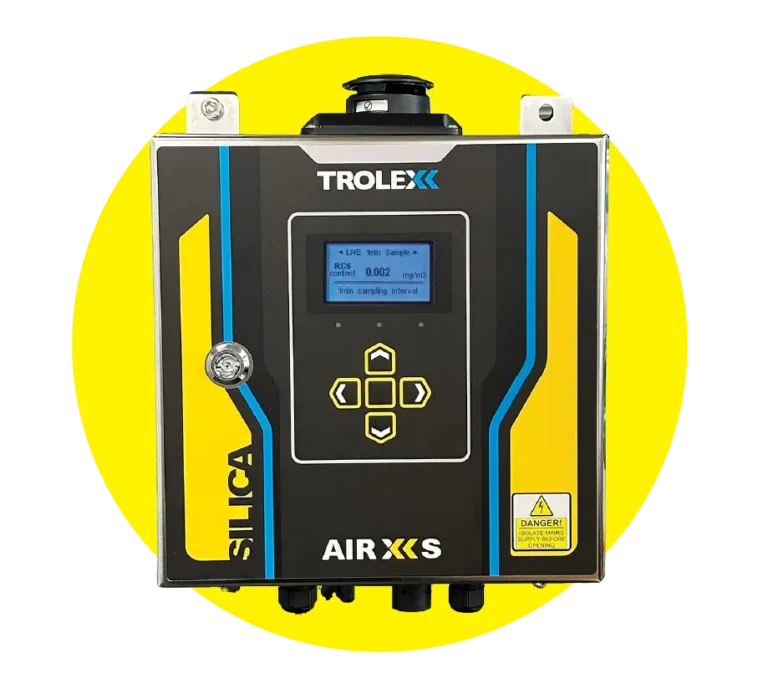
Image of TX8100 AIR XS Silica Monitor
TX8100 AIR XS Silica Monitor

Image of TX8061 XD1+ Personal Dust Monitor
TX8061 XD1+ Personal Dust Monitor

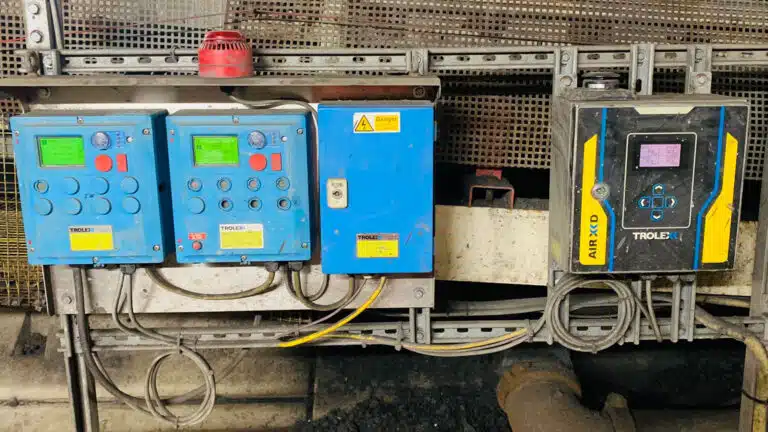
Image of TX8005 AIR XD Dust Monitor
TX8005 AIR XD Dust Monitor

Image of TX8060 XD ONE Portable Dust Monitor
TX8060 XD ONE Portable Dust Monitor

GET AIR X UPDATES

    You may unsubscribe from these communications at any time. For more information on how to unsubscribe, our privacy practices, and how we are committed to protecting and respecting your privacy, please review our Privacy Policy.

    SENTRO X:
    A game-changer in Gas Detection Technology

    Next-generation gas detection

    There’s more than one reason why our state of the art, groundbreaking new gas detector, SENTRO X, is a game-changer for the industry and those who work in the industry. 

    Available in General Purpose and Intrinsically Safe to ATEX and IECEx certification standards, SENTRO X is our next generation gas detection technology, suitable for heavy-duty applications in construction, underground mining and tunnelling environments. 

    But what makes it uniquely different to our previous gas detection technology and other similar products currently on the market? Alongside OLED graphic display for displayed dynamic menus and gas readings, optional integrated A/V alarm beacon for local area warning, and multi-point flashing high-brightness LED visuals warning, SENTRO X offers the following game changing features.

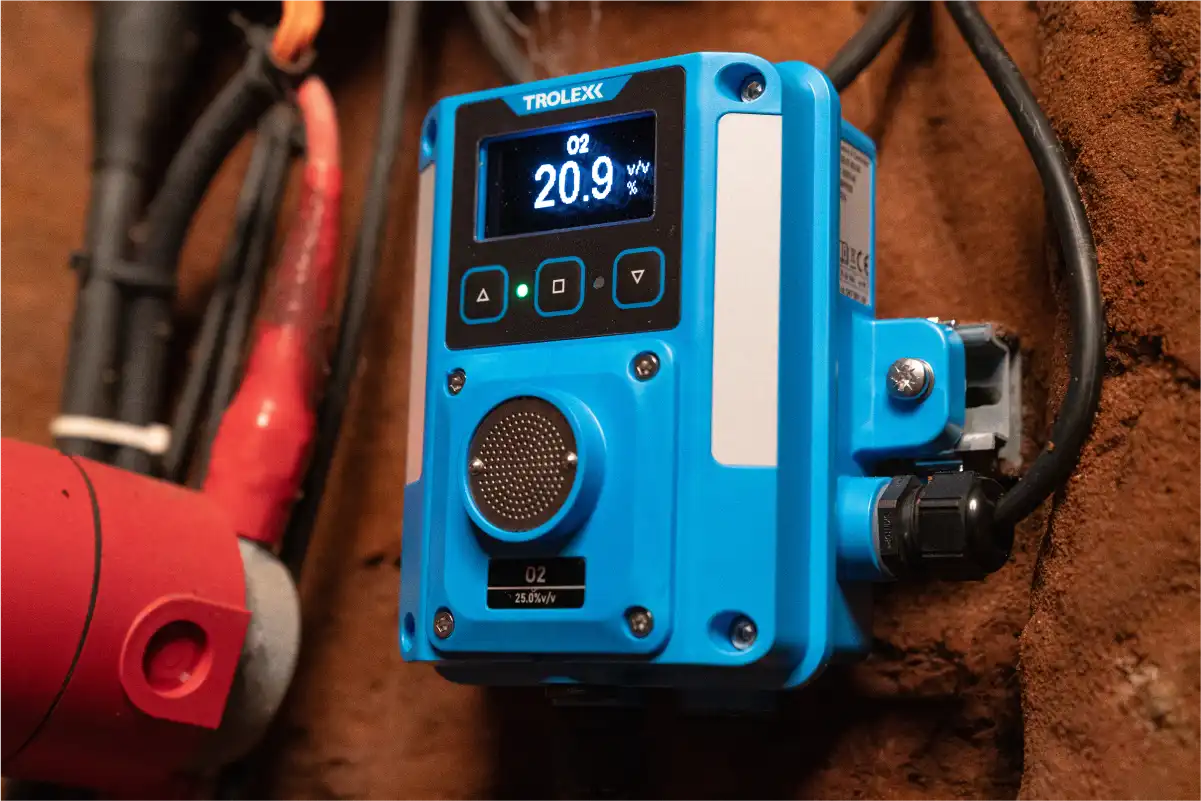
    The heart of the SENTRO X is the gBloc, a hot swappable, smart gas sensing bloc which can be easily inserted into the SENTRO X Controller or Remote Sensor.  

    Simply plug in pre-calibrated gas sensing gBlocs into the unit for a range of oxygen, toxic and flammable gases, including Carbon Monoxide, Methane, Ammonia and many other gases. 

    Each gBloc is certified intrinsically safe and can be hot swapped with the power applied to the SENTRO X at any time, making set-up and application straightforward, so you only need to focus on getting your job done in a safe environment. 

    Working in restricted, arduous or inaccessible environments means gas sensors may need to be located in all kinds of tight and hard-to-reach locations.  

    The SENTRO X Controller can be connected with a Remote Sensor, for mounting in more accessible and convenient locations up to 10 metres away from the main Controller. gBlocs can be securely inserted into the Remote Sensor, transmitting valuable data back for display on the main controller. 

    Ingress Protected to IP65 and with the same secured gBloc bay as the main Controller, the Remote Sensor makes monitoring for gases at the source and for gases with unique properties much more accurate. 

    General Purpose SENTRO X has the capability of operating with Power-over-Ethernet thanks to availability to be fitted with an intrinsically safe Ethernet card for direct communications with SCADA systems. 

    This allows all data collected from the SENTRO X Controller, whatever gas type is being detected for, to be viewed and interpreted on personal SCADA systems. 

    This is the first time a Trolex gas detector has had the capability to connect with SCADA systems in this way. It truly is the future of Trolex gas detection technology. 

    Gas Detection

    Image of TX6310 SENTRO X Gas Detector
    TX6310 SENTRO X Gas Detector

    Image of TX9165 SENTRO 8
    TX9165 SENTRO 8

    Image of TX6351-2 SENTRO 1
    TX6351-2 SENTRO 1

    Image of TX6355 SENTRO Wireless
    TX6355 SENTRO Wireless

    GET PRODUCT UPDATES

      You may unsubscribe from these communications at any time. For more information on how to unsubscribe, our privacy practices, and how we are committed to protecting and respecting your privacy, please review our Privacy Policy.

      3 reasons to use SENTRO X in the wastewater industry

      Compatible gas sensing blocs (gBlocs) for SENTRO X allow you to monitor for up to 20 variants of toxic, oxygen and flammable gases from a single housing unit. Simply insert a gBloc for the gas type you want to monitor for, and you’re able to detect methane, chlorine, ammonia or any other gas across a wastewater facility. 

      With around 8 stages of the wastewater treatment process, gases can be released at any area of time of the process, exposing individuals in any location. SENTRO X is Unistrut compatible, meaning it can be easily installed and located in most locations. It’s lightweight and portable features makes it the ideal solution for gas detection. 

      No matter the processes occurring, or the hazards its exposed to, SENTRO X  has a rugged and shock-resistant main housing which provides high vibration and impact resistance. Built with ingress protection rating of IP65 for dust and water resistance, with reinforced PC/ABS polymer, SENTRO X is durable in all heavy-duty environments 

      GAS DETECTION

      Image of TX6310 SENTRO X Gas Detector
      TX6310 SENTRO X Gas Detector

      Image of TX9165 SENTRO 8
      TX9165 SENTRO 8

      Image of TX6351-2 SENTRO 1
      TX6351-2 SENTRO 1

      Image of TX6355 SENTRO Wireless
      TX6355 SENTRO Wireless

      GET PRODUCT UPDATES

        You may unsubscribe from these communications at any time. For more information on how to unsubscribe, our privacy practices, and how we are committed to protecting and respecting your privacy, please review our Privacy Policy.

        3 reasons to use SENTRO X in oil refineries

        Working with high volumes of oil in refineries inevitably can lead to gas exposure in the workplace. Most oil refineries use a systematic process which involves several key parts which converts oil into various usable product. 

        Throughout the process, the oil is firstly distilled and separated based on its boiling point, then is converted depending on the size of the molecule through either cracking or reforming and finally is treated through either hydrotreatment or hydrocracking. These processes work to transform oil into multiple usable products. 

        In this process, as oil is converted into various products, with varying boiling points, range, density, etc. meaning that exposure to hazardous gas is likely for the workers throughout the different stages of the process. Effective gas detection can help to protect workers from exposure to dangerous levels

        Exposure to hazardous gases can happen at any time, during any stage of the oil refinery process. Consistent monitoring of each process, alongside sources such as boilers, furnaces and cracking units are essential to ensure workers are protected. SENTRO X is lightweight and easily installable nature which means it can be fitted nearby each process at ease, with a simple power-up routine, so you’re always detecting gas. 

        Highly flammable gases such as Hydrogen and Methane are commonly formed as a byproduct of the refinery process. These gases not only present a health risk to exposed workers but also demonstrates a wider physical risk across the entire workplace. With optional A/V alarms, ingress protected to IP65, alongside an audio warnings, SENTRO X provides reliable alerts of exposure to flammable gases. 

        Oil refineries aren’t just at risk of explosions. Highly toxic gases such as Hydrogen Sulphide and Ammonia are formed throughout various stages in oil refinery processes. With exposure to multiple gases common in oil refineries, throughout various stages, compatible gas sensing blocs (gBlocsensures SENTRO X can easily monitor for up to 20 variants of gases, without hassle throughout the entire process. 

        GAS DETECTION

        Image of TX6310 SENTRO X Gas Detector
        TX6310 SENTRO X Gas Detector

        Image of TX9165 SENTRO 8
        TX9165 SENTRO 8

        Image of TX6351-2 SENTRO 1
        TX6351-2 SENTRO 1

        Image of TX6355 SENTRO Wireless
        TX6355 SENTRO Wireless

        GET PRODUCT UPDATES

          You may unsubscribe from these communications at any time. For more information on how to unsubscribe, our privacy practices, and how we are committed to protecting and respecting your privacy, please review our Privacy Policy.

          Hazardous exposure
          in the mining industry:
          An ILO report

          The mining industry.

          The mining industry plays a fundamental role in the industries and economies of most major countries worldwide. It supplies critical raw materials and minerals such as iron ore, coal, copper, etc. to various other important industries, making it crucial for nations worldwide, employing millions of people in the process.

          It sounds fool proof, right? 

          Well, not always.

          Whilst mining is a valuable industry across the globe, risks associated with mining, most notably relating to health and safety, affect not only the individuals working in mining, but the wider associated community. 

          Exposure to hazardous substances in mining is common, with natural materials releasing particulates and gas pockets when disturbed. Exposure to particulates like silica dust and diesel particulate matter (DPM), as well as gases, including methane and carbon monoxide, can lead to significant health risks.  

          The mining industry employs around 1% of the global workforce and is still responsible for about 8% of fatal accidents at work, with the 44.75 million mine workers in ASM exposed to dangerous working conditions and inadequate occupational safety and health protections. 

          And it remains that the mining chemicals market was valued at US$9.89 billion in 2020 and is set to be worth US$15.57 billion by 2028, and one of the primary sources of employment for almost 50 million people worldwide across 80 countries, with the risk of further increase of poor health and safety for miners.  

          So, what does this all mean?

          The International Labour Organization (ILO)’s recent report has sought to improve miners’ conditions, as well as highlight the scale of the issue. With the adoption of the Hours of Work (Coal Mines) Convention (No. 31) in 1931, to the Safety and Health in Mines Convention (No. 176), adopted in 1995, progress has also steadily been made to improve miner health with the release of these latest statistics, but more can always be done. 

          Awareness of the dangers is key. The hazardous substances which miners are exposed to can severely impact body systems and organs, leading to disability, chronic illness and even death, and nevertheless, miners continue to be highly exposed to these hazards, whether it’s through lack of awareness or education of the dangers.  

          The ILO report also highlights the need for effective workplace programmes to control the use of hazardous materials, as well as the development, updating and harmonising evidence-based occupational exposure limits in mines, and in-turn continually spreading awareness of the dangers.  


          Read the full report.

          By implementing an adapted workplace level risk assessment, keeping the aforementioned actions in mind, can help to control workplace exposure with the aim to reduce 8% of fatal accidents at work in the mining industry. 

          GAS DETECTION

          SENTRO X DEPLOYED IN
          AIR RAID SHELTER

          See how we deployed our latest gas detector, SENTRO X, in Stockport Air Raid Shelter.

          COMMUNITY COLLABORATION

          Our 30-year partnership with Stockport Air Raid Shelters has continued to grow, as we provided a comprehensive upgrade to their Trolex gas detection systems, offering a full replacement of their legacy gas detectors with our latest next-generation SENTRO X Gas Detector 

          These shelters, steeped in history, are crucial to the local community here in Stockport, and have been used for various purposes over the years. It’s now open to the public as a museum and historical landmark.  

          Their underground environment requires an effective and modern gas detection solution that ensures compliance with all health and safety legislation for members of the public. 

          THE PROJECT

          We undertook a major upgrade of the existing legacy and aging Trolex SENTRO 1 and SENTRO 8 gas detection systems installed at the Stockport Air Raid Shelters. As part of the upgrade, we supplied and installed our brand new SENTRO X gas detectors, which were strategically installed in critical areas of the underground shelter to ensure continuous monitoring of potential gas hazards exposed to their visitors.

          Offering a seamless installation process of the SENTRO X for the Stockport Air Raid Shelter, we’ve also continued to provide ongoing technical and installation support, ensuring that any queries or issues could be addressed promptly, maintaining the system’s optimal performance at all times.

          THE COLLABORATION

          Stockport Air Raid Shelters required the upgrade in order to meet health and safety regulations regarding underground environments and continually stay compliant using the latest technology.

          With the underground location and heavy-duty conditions of the shelters, not only were we able to provide gas detection needs for them but also test how SENTRO X performs in real-world conditions. This allowed us to validate the system’s effectiveness and reliability in such a unique atmosphere, with humidity, limited visibility and other similar mining conditions.

          The collaboration was also beneficial to us as Stockport Air Raid Shelters’ visibility in the local community provided excellent exposure, showcasing our expertise in real-world applications, and only reinforces our commitment to supporting the community while offering tailored safety solutions to each individual requirement for health and safety compliance.

          Our plan is to continue the work with Stockport Air Raid Shelters, providing ongoing support for their gas detection systems and assisting with any technical or maintenance needs. Insights gained from this project will help refine the SENTRO X Gas Detector for broader market applications.

          “The offer of replacing our ageing gas monitors for the SENTRO X is great news for us.” said one worker for the Stockport Air Raid shelters.

          In summary, this collaboration gives us the perfect springboard to continue to expand our reach within similar locations and industries, but also branching out into new industries, further establishing our brand while continuing to support local communities.

          Want to collaborate with us?

          Trolex safety technology

          A collaborative approach to protect tunnelling workers.

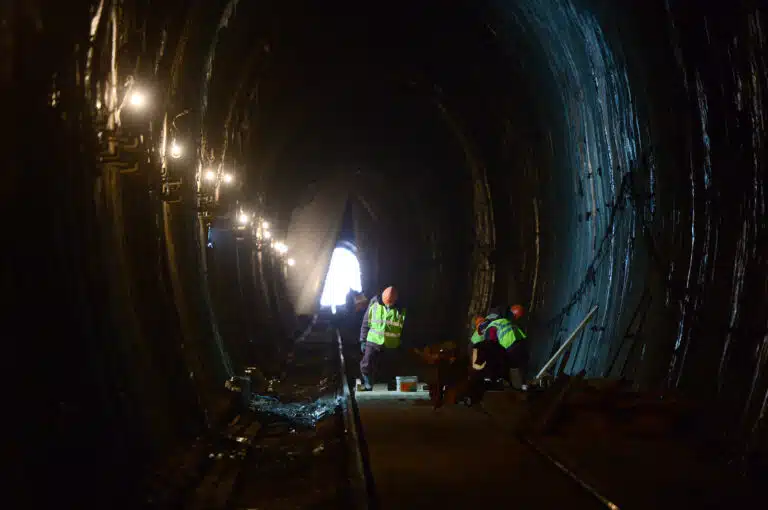
          With over 45 years of experience in the field of tunnelling, our partners, Timeco, are experts when it comes to tunnel boring machine (TBM), piling and foundation works, and other important activities involved in tunnelling. And when it comes to environmental monitoring for harsh tunnelling conditions, their partnership with Trolex has provided solutions to the entire tunnelling industry.

          “We are satisfied with the 20+ years of cooperation with Trolex, as our official partner, because of the mutual trust in the innovative organisation and the reliability, user friendly

          and durability of its products and solutions.” said Timeco, about the collaboration with Trolex to provide solutions to hazardous conditions in the tunnelling industry.

          Trolex’s product range, provided to the tunnelling market in Europe by Timeco, includes a full range of dust monitoring technology, including AIR XD Dust Monitor and AIR XS Silica Monitor, as well as gas detection equipment, such as TX9165 Sentro 8 and TX6351-2 Sentro 1, detecting for a full range of hazardous gases.

          ‘Pump monitoring Promtex’ to improve their mining systems