INDUSTRY RISKS
· TUNNELLING INDUSTRY

According to Health + Safety International, 1-in-10 tunnel workers are at risk of developing silicosis in Australia. Exposure to crystalline silica, as well as other types of hazardous dust are common in tunnelling due to various types of tunnelling processes.
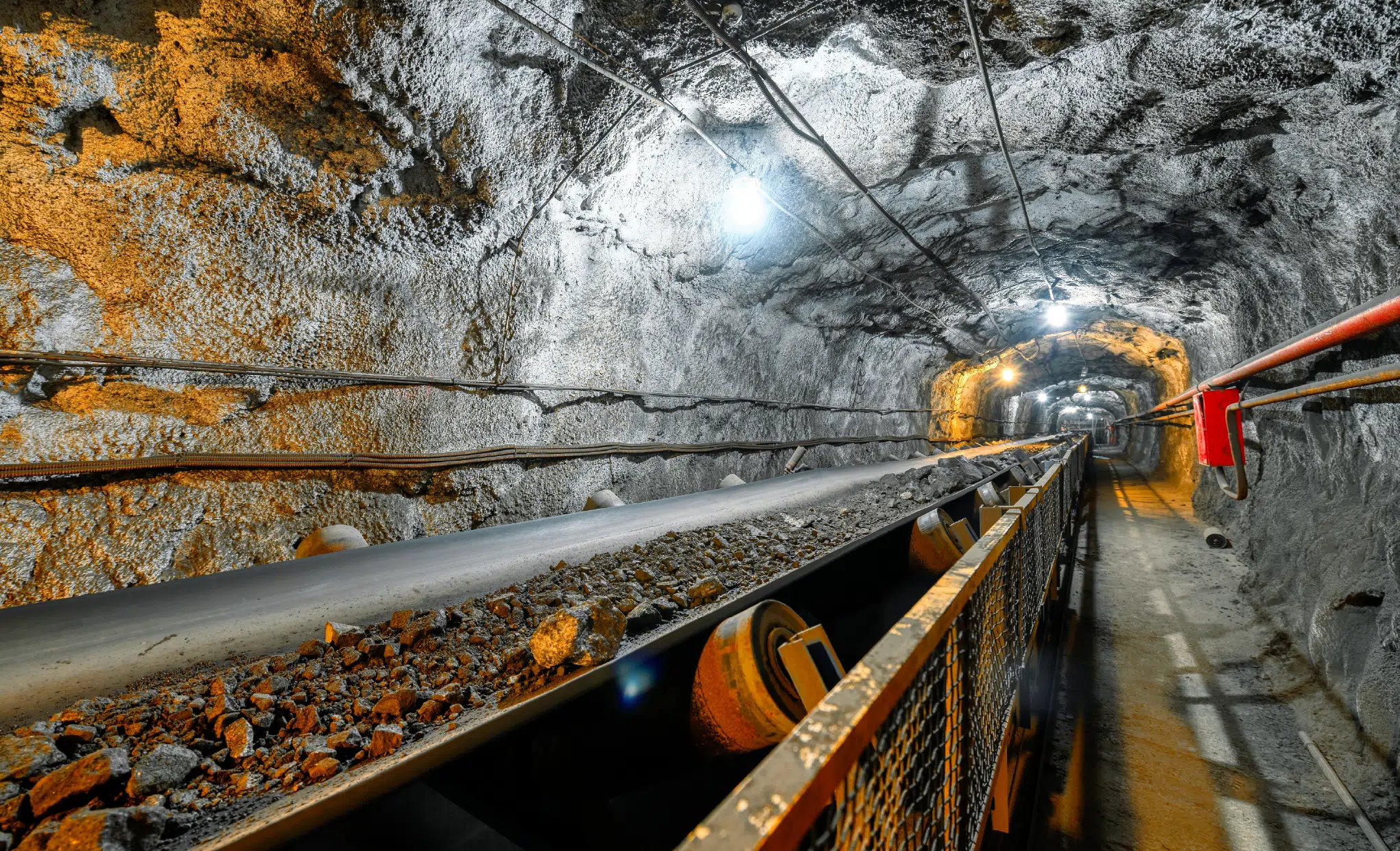
What are the risks?

  • Arsenic dusts
  • Construction dust
  • Diesel Particulate Matter (DPM)
  • Respirable Crystalline Silica (RCS)
  • Wood dust
  • Nitrogen Dioxide
  • Hydrogen Sulphide
  • Sulphur Dioxide
  • Oxygen
  • Flammable gases
  • Methane
  • Ammonia

Why may these risks occur?

  • Drilling into rock + existing structures
  • Excavation of rocks
  • Lack of effective ventilation
  • Loading + unloading of materials
  • Transportation + use of machinery
  • Transportation of raw materials
  • Blasting into natural structures
  • Drilling natural structures
  • Excavation of rock
  • Natural deposits in rocks
  • Use of vehicle + machine engines

PRODUCT SOLUTIONS

Image of Particulate Monitoring
Particulate Monitoring

Image of Gas Detection
Gas Detection

Image of Software Solutions
Software Solutions

Image of Other Products
Other Products

Was this page helpful?

    More detail requiredMore variety of content neededIncorrect informationBroken linksHard to readUnclear page formatting

      DetailVariety of contentUseful informationEasy to readPage formatting

      GET PRODUCT UPDATES

        You may unsubscribe from these communications at any time. For more information on how to unsubscribe, our privacy practices, and how we are committed to protecting and respecting your privacy, please review our Privacy Policy.

        Related Posts

        Industry RisksResources