SUPPORTING UNDERGROUND HEALTH AND SAFETY IN REAL TIME

Customer / End User

STRABAG

Application

Mineral Transportation

Industry

Tunnelling

Country

United Kingdom

Product(s) used

TX8005 AIR XD
TX9165 SENTRO 8
TX6351-2 SENTRO 1
TX6648.40 IS Battery Back Up

Challenge

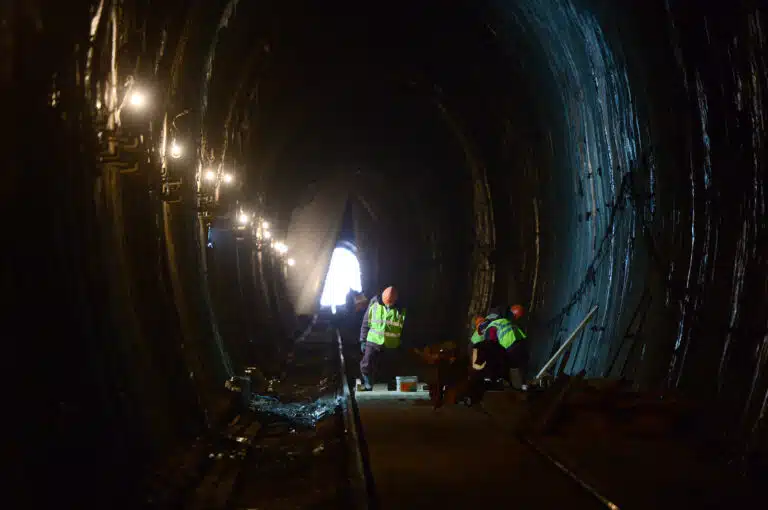
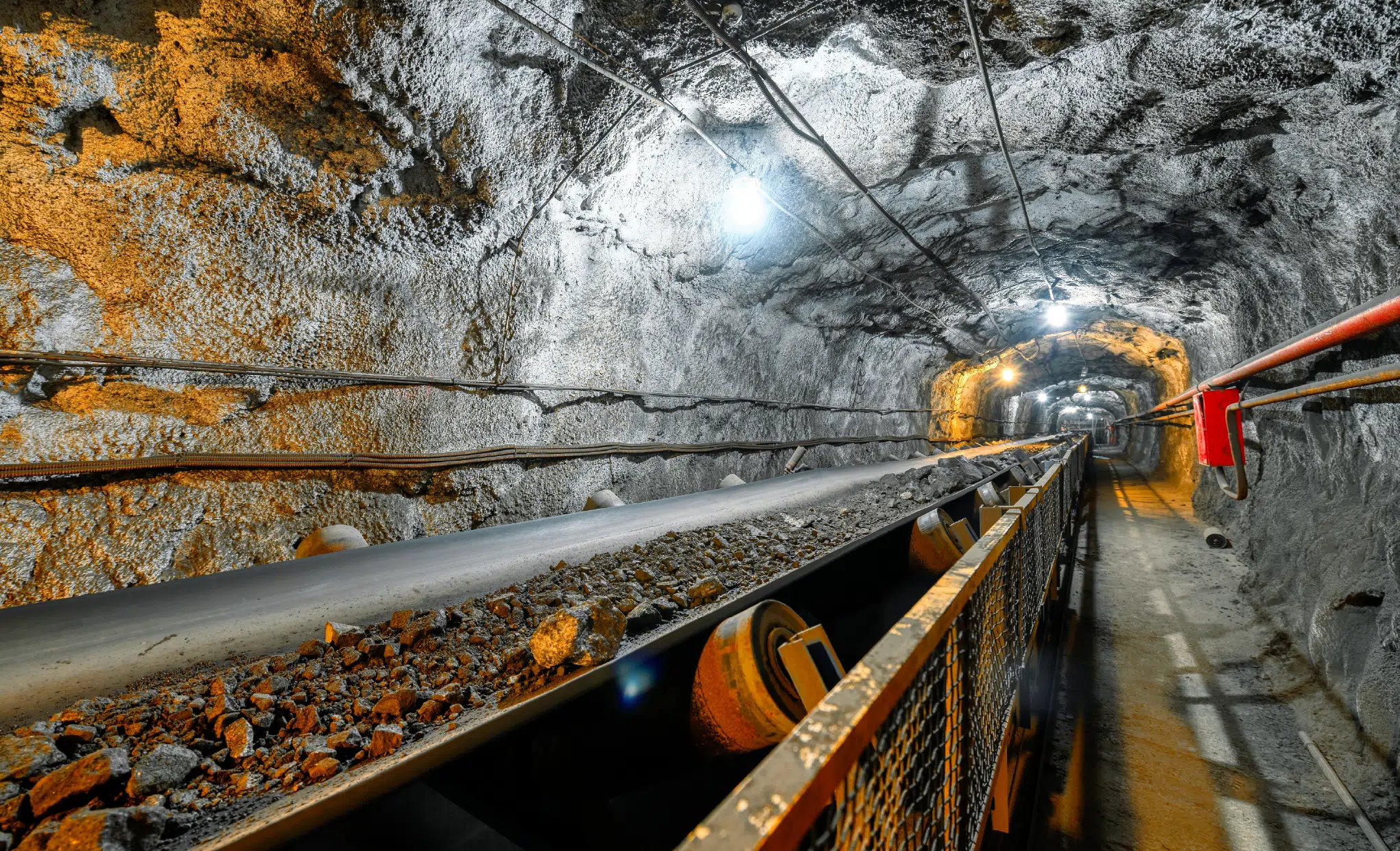
STRABAG are constructing the world’s longest conveyor tunnel, 36.7 km long for the transportation tens of millions of tonnes of Polyhalite. Demonstrating the scale of tunnelling and underground construction capabilities in the UK, it’s also highlighted the need for innovation and social responsibility throughout the process.

Outcome

Trolex were selected to supply a range of AIR X real-time particulate monitors and audio/visual alarms to monitor for PM2.5 to PM10 constantly, as well as gas detectors, sensors, and logic systems which constantly watch for key gases such as CH4, CO, NO, H2S, SO2 and O2.
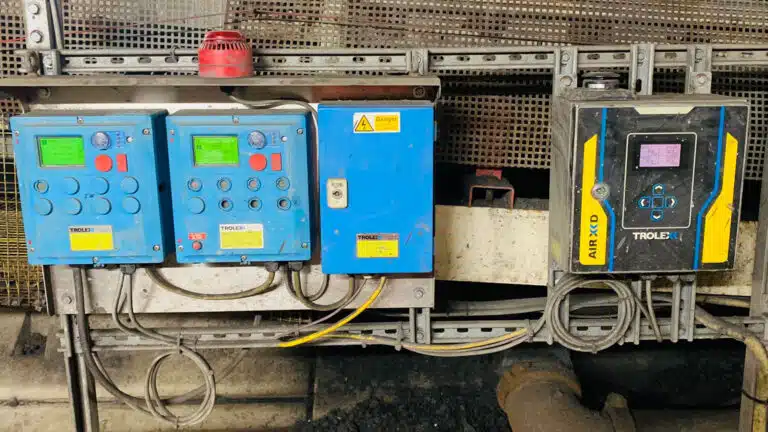
TROLEX REAL-TIME AIR XD AND SENTRO 8 GAS DETECTOR

Company & Application

STRABAG UK’s tunnelling project, based in North Yorkshire, UK, is being constructing as the world’s longest conveyor tunnel, known as the Mineral Transport System, as part of the Woodsmith mine development. This project will see transportation of tens of millions of tonnes of Polyhalite, a naturally occurring mineral substance and subsequently when crushed, POLY4, a multi-nutrient fertiliser used worldwide.

The project began launching a Tunnel Boring Machine to commence a 36.7km long tunnel, which was constructed using a single shield machine. This length of tunnel is expected to be a new world record with the tunnel fit out, including a new full length conveyor system.

The Challenge

The project demonstrates the scale of the tunnelling and underground construction capabilities in the UK, also highlighting the need for focus on innovation and social responsibility throughout all processes. The 380 m-deep shafts were constructed using the blind-bore method, not only with the aim of reducing carbon emissions, but also to improve general on-site safety. Extensive air quality monitoring was required throughout the entire project and, notably, Trolex systems were fitted to ensure reliable and accurate monitoring is available and maintained throughout the entire project.

“This really is a pioneering project, and we are honoured to be able to provide a robust reliable and accurate set of sensors combined with modern logic to help keep workers safe and operations running efficiently and with minimum down time.”

Steve Holland

Managing Director, Trolex

TX9165 SENTRO 8 AND TX6648.40 TROLEX POWER SUPPLY

The Trolex plan

A range of Trolex real-time solutions have been identified for use in the STRABAG project for the detection of hazardous gases and dusts in this tunnelling project. 236 devices, including SENTRO 8 Gas detector, SENTRO single Gas detectors and AIR X real-time Particulate Monitors have been fitted across multiple systems with a total of 824 individual sensors for both gas detection and dust monitoring.

As well as particulate ranges from PM2.5 to PM10 being constantly monitored, logic systems constantly watch for key gases such as CH4, CO, NO, H2S, SO2 and O2. Local emergency Audio/Visual alarms, Trolex Flow Sensors and Intrinsically Safe Battery Back-Up units have been added to back up the system and add intelligent data to the data all powered by intrinsically safe battery back-up units.

The Trolex solution

Alongside the systems being implemented across the tunnelling project, the Tunnel Boring Machine itself has also been fitted with multiple gas detectors, as well as Audio/Visual alarms and sensors.

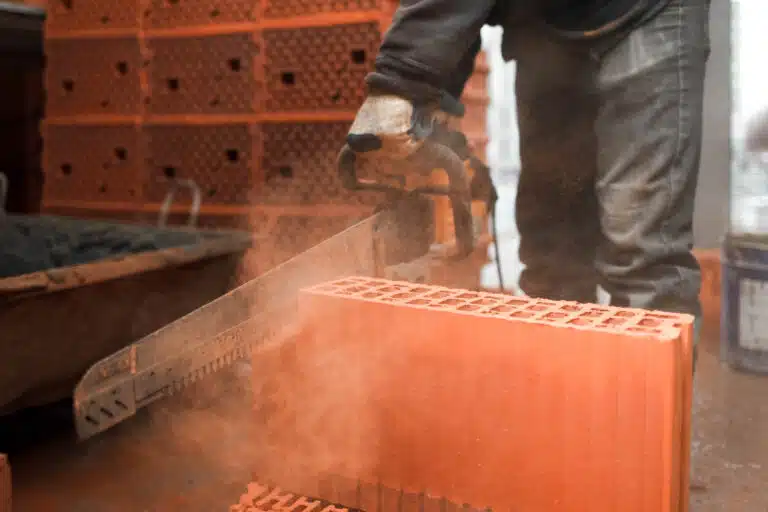
Due to the nature of tunnelling projects, with fast paced demolition, excavation and drilling processes, cutting, concrete spraying and transportation generates fine dust and particulates as a by-product of natural materials like rock and sand being disturbed, increasing risk of lung diseases and respirable health issues.

The recognised risk of using combustion engines and diesel-powered equipment often produces carbon monoxide and Diesel Particulate Matter is something the project was increasingly aware of, something the system will flag through data indicators across its broad range of sensors.

Gas sensors are already actively working as the mining machine hits pockets of hydrocarbons which set the unit into alarm, and where necessary lower down the mining machine to avoid risk of explosion.

What it meant moving forward

Providing this pioneering safety technology to STRABAG meant the project has joined a long-standing reputation of safety instrumentation being supplied to workers by Trolex in some of the most challenging environments over the last 65 years.

Like many other underground industry leaders across the globe, STRABAG made the decision to deploy multiple Trolex detectors, monitoring equipment, sensors and alarms demonstrating to their workers that health and safety is a priority on this project, and a superior approach, not only for producing the highest quality throughout the tunnelling project, but also with a conscious effort on the effects relating to the workforce wellbeing and the wider society.

TROLEX TUNNELLING SOLUTIONS

Image of TX8005 AIR XD Dust Monitor
TX8005 AIR XD Dust Monitor

Image of TX6310 SENTRO X Gas Detector
TX6310 SENTRO X Gas Detector

Image of TX9165 SENTRO 8
TX9165 SENTRO 8

Image of TX6351-2 SENTRO 1
TX6351-2 SENTRO 1

Image of TX66xx Series Power Supplies
TX66xx Series Power Supplies

Image of TX6141-3 Pressure Monitoring Systems
TX6141-3 Pressure Monitoring Systems

Image of TX592x Vortex
TX592x Vortex

TROLEX CASE STUDIES

PRODUCT SALES ENQUIRIES

GET TROLEX TUNNELLING UPDATES

    You may unsubscribe from these communications at any time. For more information on how to unsubscribe, our privacy practices, and how we are committed to protecting and respecting your privacy, please review our Privacy Policy.

    INDUSTRY RISKS
    · UNDERGROUND MINING

    More than 250 deaths per year in underground mining are attributed to silicosis, claims Mine Safety and Health Administration (MSHA). Exposure to Respirable Crystalline Silica (RCS), as well as other dusts, is generated through different processes and conditions specific to underground occupational environments.

    What are the risks?

    • Construction dust
    • Respirable dust
    • Respirable Crystalline Silica (RCS)
    • Nitrogen Dioxide
    • Hydrogen Sulphide
    • Sulphur Dioxide
    • Flammable gases
    • Oxygen
    • Methane
    • Ammonia

    Why may these risks occur?

    • Drilling into rock + existing structures
    • Excavation of rocks
    • Lack of effective ventilation
    • Loading + unloading of materials
    • Transportation + use of machinery
    • Transportation of raw materials
    • Blasting into natural structures
    • Drilling natural structures
    • Excavation of rock
    • Natural deposits in rocks
    • Use of vehicle + machine engines
    • Lack of ventilation
    • Rock bursts

    PRODUCT SOLUTIONS

    Image of Particulate Monitoring
    Particulate Monitoring

    Image of Gas Detection
    Gas Detection

    Image of Other Products
    Other Products

    Was this page helpful?

      More detail requiredMore variety of content neededIncorrect informationBroken linksHard to readUnclear page formatting

        DetailVariety of contentUseful informationEasy to readPage formatting

        GET PRODUCT UPDATES

          You may unsubscribe from these communications at any time. For more information on how to unsubscribe, our privacy practices, and how we are committed to protecting and respecting your privacy, please review our Privacy Policy.

          INDUSTRY RISKS
          Open Pit + Overground Mining

          The International Council of Mining and Metals (ICMM) report occupational diseases contribute to nearly 2.5 million annual deaths in mining + metallurgy industries. Exposure to hazardous particulates + gases play a major role in this.

          What are the risks?

          • Asbestos particulates
          • Copper powder
          • Diesel Engine Exhaust Emissions (DEEE)
          • Respirable Crystalline Silica (RCS)
          • Gold + other mataliferous dusts
          • Other airborne dusts + mists
          • Carbon Dioxide
          • Hydrogen Sulphide
          • Sulphur Dioxide
          • Mercury vapour
          • Methane

          Why may these risks occur?

          • Blasting rock + other raw materials
          • Crushing rock + other raw materials
          • Demolition of rock structures
          • Use of certain machinery
          • Blasting rock + other raw materials
          • Decay of organic matter
          • Processing rocks + raw materials
          • Use of certain machinery
          • Use of diesel vehicles

          PRODUCT SOLUTIONS

          Image of Particulate Monitoring
          Particulate Monitoring

          Image of Gas Detection
          Gas Detection

          Image of Other Products
          Other Products

          Was this page helpful?

            More detail requiredMore variety of content neededIncorrect informationBroken linksHard to readUnclear page formatting

              DetailVariety of contentUseful informationEasy to readPage formatting

              GET PRODUCT UPDATES

                You may unsubscribe from these communications at any time. For more information on how to unsubscribe, our privacy practices, and how we are committed to protecting and respecting your privacy, please review our Privacy Policy.

                INDUSTRY RISKS
                · WELDING + METAL MANUFACTURING

                The National Institute of Health (NIH) reports that 110 million people  are exposed to welding fumes at work in various industries. Various fumes and metal dust exposure can be generated through different forms of welding and other methods.

                • NIH reports that approximately 11 million people work as welders worldwide
                • NIH continue that 110 million people are exposed to welding  fumes at work in various industries
                • Oxford Economics determines that 40.5 million people work with in the steel industry’s global supply chain

                What are the risks?

                • Cadmium dust + fumes
                • Nickel dust + fumes
                • Welding dust + fumes
                • Zinc dust + fumes
                • Flammable gases
                • Nitrous oxides
                • Ozone

                Why may these risks occur?

                • Brazing
                • Foundry works
                • Plasma + laser cutting
                • Soldering
                • Smelting
                • Welding
                • Arc welding
                • Heating metals
                • Welding

                PRODUCT SOLUTIONS

                Image of Particulate Monitoring
                Particulate Monitoring

                Image of Gas Detection
                Gas Detection

                Image of Other Products
                Other Products

                Was this page helpful?

                  More detail requiredMore variety of content neededIncorrect informationBroken linksHard to readUnclear page formatting

                    DetailVariety of contentUseful informationEasy to readPage formatting

                    GET PRODUCT UPDATES

                      You may unsubscribe from these communications at any time. For more information on how to unsubscribe, our privacy practices, and how we are committed to protecting and respecting your privacy, please review our Privacy Policy.

                      INDUSTRY RISKS
                      · TUNNELLING INDUSTRY

                      According to Health + Safety International, 1-in-10 tunnel workers are at risk of developing silicosis in Australia. Exposure to crystalline silica, as well as other types of hazardous dust are common in tunnelling due to various types of tunnelling processes.

                      What are the risks?

                      • Arsenic dusts
                      • Construction dust
                      • Diesel Particulate Matter (DPM)
                      • Respirable Crystalline Silica (RCS)
                      • Wood dust
                      • Nitrogen Dioxide
                      • Hydrogen Sulphide
                      • Sulphur Dioxide
                      • Oxygen
                      • Flammable gases
                      • Methane
                      • Ammonia

                      Why may these risks occur?

                      • Drilling into rock + existing structures
                      • Excavation of rocks
                      • Lack of effective ventilation
                      • Loading + unloading of materials
                      • Transportation + use of machinery
                      • Transportation of raw materials
                      • Blasting into natural structures
                      • Drilling natural structures
                      • Excavation of rock
                      • Natural deposits in rocks
                      • Use of vehicle + machine engines

                      PRODUCT SOLUTIONS

                      Image of Particulate Monitoring
                      Particulate Monitoring

                      Image of Gas Detection
                      Gas Detection

                      Image of Other Products
                      Other Products

                      Was this page helpful?

                        More detail requiredMore variety of content neededIncorrect informationBroken linksHard to readUnclear page formatting

                          DetailVariety of contentUseful informationEasy to readPage formatting

                          GET PRODUCT UPDATES

                            You may unsubscribe from these communications at any time. For more information on how to unsubscribe, our privacy practices, and how we are committed to protecting and respecting your privacy, please review our Privacy Policy.

                            INDUSTRY RISKS
                            · TEXTILES + APPAREL MANUFACTURING

                            The Institution of Occupational Safety and Health (IOSH) reports that the 300 million workers in the global textile and garment industry are disproportionately exposed to various occupational hazards and risks, including hazardous chemicals and various dusts.

                            • According to IOSH, the global textile and garment industry employs 300 million people

                            • IOSH reports that the 300 million workers are disproportionately exposed to various occupational hazards and risks, including hazardous chemicals
                            • It’s reported by UN Environment Programme that every year across the world, 92 million tonnes of textile waste is produced
                            • By 2030, global apparel consumption is projected to rise by 63%, from today’s 70 million tons to 105 million tons according to UK Parliament

                            What are the risks?

                            • Cotton dust
                            • Dyestuff dust
                            • Fabric dust
                            • Wool dust
                            • Respirable Crystalline Silica (RCS)
                            • Formaldehyde
                            • Solvents
                            • Volatile Organic Compounds (VOCs)

                            Why may these risks occur?

                            • Backwinding materials
                            • Carding materials
                            • Handling dry powders
                            • Handling raw materials
                            • Winding materials
                            • Sandblasting jeans
                            • Blending materials
                            • Handling raw materials
                            • Textile finishing

                            PRODUCT SOLUTIONS

                            Image of Particulate Monitoring
                            Particulate Monitoring

                            Image of Gas Detection
                            Gas Detection

                            Image of Other Products
                            Other Products

                            Was this page helpful?

                              More detail requiredMore variety of content neededIncorrect informationBroken linksHard to readUnclear page formatting

                                DetailVariety of contentUseful informationEasy to readPage formatting

                                GET PRODUCT UPDATES

                                  You may unsubscribe from these communications at any time. For more information on how to unsubscribe, our privacy practices, and how we are committed to protecting and respecting your privacy, please review our Privacy Policy.

                                  INDUSTRY RISKS
                                  · Recycling + Waste Management

                                  The Health and Safety Executive (HSE) reports 5,000 workers suffer from work-related ill health in Waste Management in Great Britain, which can come from exposure to fumes and dusts like chemical waste.

                                  What are the risks?

                                  • Asbestos
                                  • Respirable Crystalline Silica (RCS)
                                  • Construction dusts
                                  • Ammonia
                                  • Chemical + hazardous waste
                                  • Hazardous disinfectants
                                  • Methane
                                  • Solvents

                                  Why may these risks occur?

                                  • Failure to manage waste
                                  • Handling hazardous waste
                                  • Inadequate segregation of waste
                                  • Failure to manage waste + water
                                  • Inadequate segregation of waste
                                  • Leaks + spills of chemicals

                                  PRODUCT SOLUTIONS

                                  Image of Particulate Monitoring
                                  Particulate Monitoring

                                  Image of Gas Detection
                                  Gas Detection

                                  Image of Other Products
                                  Other Products

                                  Was this page helpful?

                                    More detail requiredMore variety of content neededIncorrect informationBroken linksHard to readUnclear page formatting

                                      DetailVariety of contentUseful informationEasy to readPage formatting

                                      GET PRODUCT UPDATES

                                        You may unsubscribe from these communications at any time. For more information on how to unsubscribe, our privacy practices, and how we are committed to protecting and respecting your privacy, please review our Privacy Policy.

                                        INDUSTRY RISKS
                                        · QUARRYING + AGGREGATES

                                        World Green Building Council reports every year about 100 billion tonnes of hard rock and other raw materials are extracted in quarrying for use across industrial sectors globally. When demolished, drilled into or blasted, these fine materials can become respirable and airborne, posing serious health risks to workers.

                                        What are the risks?

                                        • Construction dust
                                        • Diesel Engine Exhaust Emissions
                                        • Quarry + aggregate dust
                                        • Respirable Crystalline Silica (RCS)
                                        • Hard rock
                                        • Carbon Monoxide
                                        • Hydrogen Sulphide
                                        • Formaldehyde
                                        • Flammable gases
                                        • Methane

                                        Why may these risks occur?

                                        • Cutting into hard rocks
                                        • Drilling into hard rocks
                                        • Demolition of hard rocks
                                        • Use of certain machinery
                                        • Transportation of hard rocks
                                        • Blasting rock + other raw materials
                                        • Handling hard rocks
                                        • Processing rocks + raw materials
                                        • Transportation of materials
                                        • Use of explosives
                                        • Use of diesel vehicles

                                        PRODUCT SOLUTIONS

                                        Image of Particulate Monitoring
                                        Particulate Monitoring

                                        Image of Gas Detection
                                        Gas Detection

                                        Image of Other Products
                                        Other Products

                                        Was this page helpful?

                                          More detail requiredMore variety of content neededIncorrect informationBroken linksHard to readUnclear page formatting

                                            DetailVariety of contentUseful informationEasy to readPage formatting

                                            GET PRODUCT UPDATES

                                              You may unsubscribe from these communications at any time. For more information on how to unsubscribe, our privacy practices, and how we are committed to protecting and respecting your privacy, please review our Privacy Policy.

                                              INDUSTRY RISKS
                                              · OIL + GAS PRODUCTION

                                              The National Institute of Health reports oil + gas industry occupational fatality rate is 2.5 x higher than the construction industry. A factor causing this is exposure to hazardous chemicals, fumes and particulates, such as Diesel Particulate Matter (DPM).

                                              What are the risks?

                                              • Diesel Particulate Matter
                                              • Respirable Crystalline Silica (RCS)
                                              • Carbon Dioxide
                                              • Hydrogen Sulphide
                                              • Methane
                                              • Diesel + other gas leaks

                                              Why may these risks occur?

                                              • Use of diesel engines + vehicles
                                              • Use of machinery
                                              • Use of silica in fracturing
                                              • Sanding wood
                                              • Extraction processes
                                              • Hydraulic fracturing
                                              • Leaks + spills
                                              • Use of machinery

                                              PRODUCT SOLUTIONS

                                              Image of Particulate Monitoring
                                              Particulate Monitoring

                                              Image of Gas Detection
                                              Gas Detection

                                              Image of Other Products
                                              Other Products

                                              Was this page helpful?

                                                More detail requiredMore variety of content neededIncorrect informationBroken linksHard to readUnclear page formatting

                                                  DetailVariety of contentUseful informationEasy to readPage formatting

                                                  GET PRODUCT UPDATES

                                                    You may unsubscribe from these communications at any time. For more information on how to unsubscribe, our privacy practices, and how we are committed to protecting and respecting your privacy, please review our Privacy Policy.

                                                    INDUSTRY RISKS
                                                    · FORESTRY + WOODWORK

                                                    The National Institute of Health reports that over 60 million workers across the globe are exposed to wood dust in the workplace. This can result in various occupational respiratory illnesses such as
                                                    silicosis and asthma.

                                                    What are the risks?

                                                    • Hardwood dust
                                                    • Respirable Crystalline Silica (RCS)
                                                    • Sawdust
                                                    • Softwood dust
                                                    • Formaldehyde
                                                    • Volatile Organic Compounds

                                                    Why may these risks occur?

                                                    • Chipping wood
                                                    • Chiselling wood
                                                    • Cutting wood
                                                    • Sanding wood
                                                    • Sawing wood
                                                    • Settled dust being disturbed
                                                    • Finishing wood products
                                                    • Painting wood
                                                    • Polishing wood
                                                    • Restoring wood
                                                    • Smoke from charcoal production

                                                    PRODUCT SOLUTIONS

                                                    Image of Particulate Monitoring
                                                    Particulate Monitoring

                                                    Image of Gas Detection
                                                    Gas Detection

                                                    Image of Other Products
                                                    Other Products

                                                    Was this page helpful?

                                                      More detail requiredMore variety of content neededIncorrect informationBroken linksHard to readUnclear page formatting

                                                        DetailVariety of contentUseful informationEasy to readPage formatting

                                                        GET PRODUCT UPDATES

                                                          You may unsubscribe from these communications at any time. For more information on how to unsubscribe, our privacy practices, and how we are committed to protecting and respecting your privacy, please review our Privacy Policy.