HOW MUCH WOOD DUST IS A CARPENTER REGULARLY EXPOSED TO?

Customer / End User

MossWood Studio

Application

Carpentry

Industry

Woodworking

Country

United Kingdom

Product(s) used

TX8061 XD1+
BreatheMOBILE

Challenge

We challenged MossWood Studio to see exactly how much wood dust was generated during a standard day as a carpenter. By using the XD1+, the challenge was to determine exactly how much respirable dust was present throughout working day and help support the process of implementing control measures. 

Outcome

Deploying the XD1+ Personal Dust Monitor across various areas of their workshop, MossWood Studio were able to monitor and analyse exposure to respirable wood dust when sawinggrinding, and other common processes, from both XD1+ alarms and retrospective and live data on BreatheMOBILE. 

Company & Application 

Based in East Sussex, United Kingdom, MossWood Studio provide bespoke carpentry and functional artwork, working with wood and other similar carpentry materials. Throughout their working day, processes such as sawing, cutting and grinding soft and hardwoods occur. 

Recording the behind-the-scenes and end results of creating high-end artwork using carpentry processes has made the Studio a viral sensation – what we saw as a perfect opportunity to collaborate and demonstrate how the AIR X range can be used in various different applications.  

The Challenge 

With the woodworking processes which occur, exposure to dust is commonplace and whilst total elimination of airborne dust is ideal, it’s not always possible due to the nature of materials being worked with. 

From this, following the Hierarchy of Controls, introducing administration and engineering controls are often required, and finding out effective ways to implement these measures was needed. 

This is where the XD1+ came into play. We contacted Amos from MossWood Studio after seeing his viral videos to support him on finding the most effective control measures for him to reduce personal, and wider environmental, exposure to wood dust whilst working on his carpentry projects and artwork. 

The XD1+ plan 

We supplied MossWood Studio with an XD1+ Personal Dust Monitor and BreatheMOBILE supporting software and challenge them to see how much dust they were exposed to in a standard working day. 

Rather than seeing the dust on the floor or across areas of the workshop and just putting on the first mask available, we discussed with Amos how XD1+ can provide instant alerts and data on dust levels, and support making effective decisions about how to control dust, particularly in ways which benefits the workplace and other contributing factors, such as costs and time. 

 The XD1+ solution 

XD1+ was both worn and stationed across different areas and processes in the studio to get the best exposure to potential dust levels. After a full day of using the XD1+ during carpentry and woodworking processes, dust levels reached a peak of 1.663μg/m³ for PM4.25 over an 8-hour TWA (time-weighted average).

This data was significant to Amos, as it’s allowed him to gain a deeper understanding in the exposure risk he’s now dealing with: “The XD1+ is perfect to identify which extraction system you need and what sort of level of dust is lurking in your workplace.” 

XD1+ was also used at a later date in the week when cleaning up the studio. Again, following the Hierarchy of Controls, it helped Amos to learn exactly when and where dust levels were spiking when cleaning up, and subsequently wear a mask, or introduce certain types of suppression.  

What this means moving forward 

“Every single day I ask myself the same question. How much dust am I actually exposed to?” said Amos, as dust exposure has been something on his mind for a while, but never having that right tool to accurately deal with it. But it’s not just knowing how much dust is occurring during a standard working day.  

“Having this data is now definitely pointing me in towards buying the right extraction system” Amos continued, explaining that knowing how much dust you’re exposed to is relevant to your workplace and helps you to determine the specific of whatever control measures you’re introducing, whether that’s the type of mask, extraction or maintenance processes. 

AIR X Particulate Monitoring

Image of TX8061 XD1+ Personal Dust Monitor
TX8061 XD1+ Personal Dust Monitor

Image of TX8005 AIR XD Dust Monitor
TX8005 AIR XD Dust Monitor

Image of TX8100 AIR XS Silica Monitor
TX8100 AIR XS Silica Monitor

Image of AIR X Software
AIR X Software

AIR X CASE STUDIES

GET AIR X NEWS

XD1+ COMPARATIVE TESTING

performance test

Test name

PT-01-24

Test date

2024

Product(s) tested

TX8061 XD1+

Test overview

Multiple XD1+ Personal Dust Monitor devices were tested alongside a TSI DustTrak DRX instrument using Arizona Road Dust (ARD) supplied by Fiatech GmbH, where testing for dust exposure on all devices were carried out in a test cube.

AIR XS PARTICULATE MONITORING

Image of TX8100 AIR XS Silica Monitor
TX8100 AIR XS Silica Monitor

Image of AIR X Software
AIR X Software

Image of TX8005 AIR XD Dust Monitor
TX8005 AIR XD Dust Monitor

Image of TX8061 XD1+ Personal Dust Monitor
TX8061 XD1+ Personal Dust Monitor

TROLEX SAFETY TECHNOLOGY

Image of Gas Detection

Gas Detection

Image of Other Products

Other Products

GET AIR X PRODUCT UPDATES

    You may unsubscribe from these communications at any time. For more information on how to unsubscribe, our privacy practices, and how we are committed to protecting and respecting your privacy, please review our Privacy Policy.

    INDUSTRY RISKS
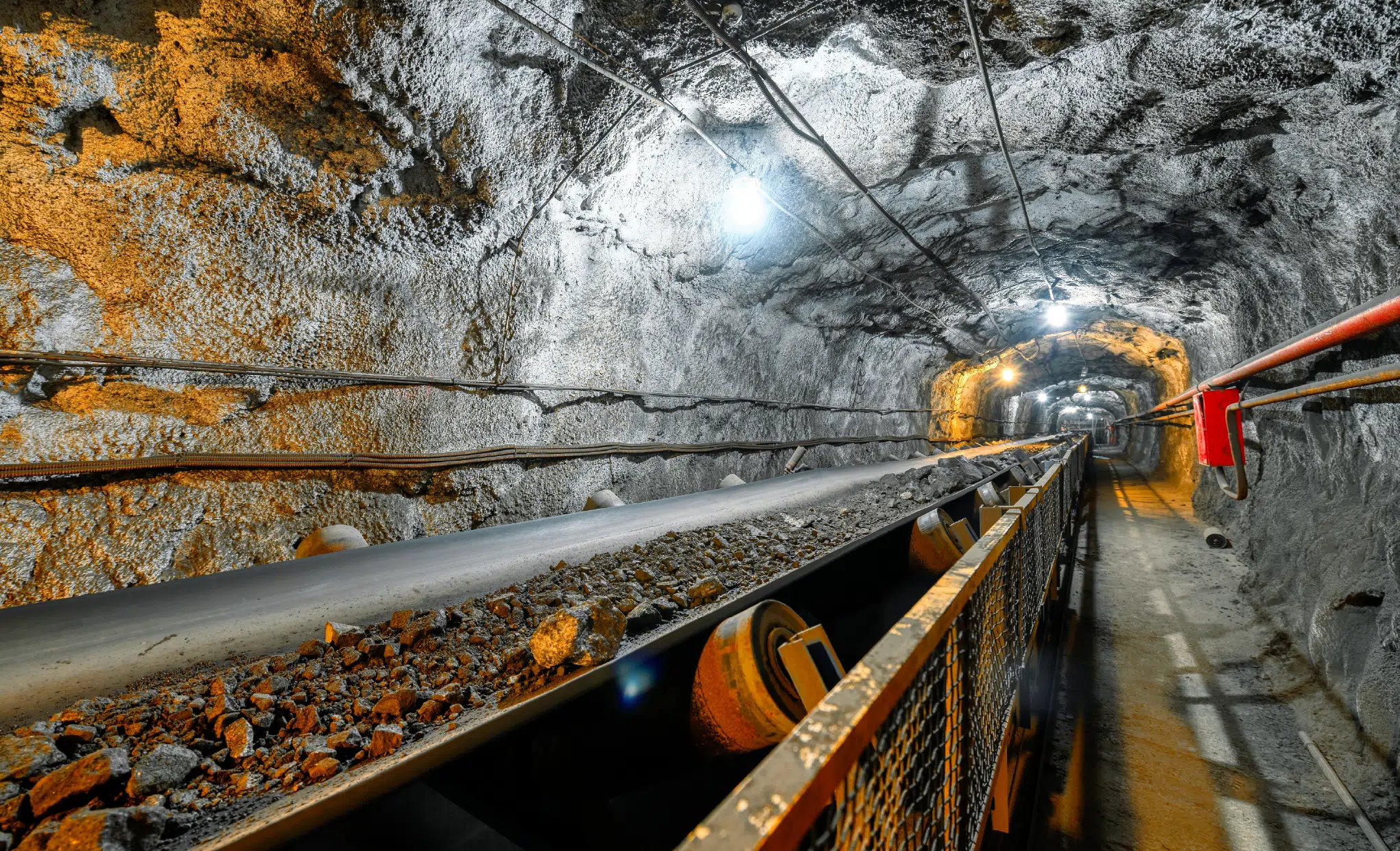
    · UNDERGROUND MINING

    More than 250 deaths per year in underground mining are attributed to silicosis, claims Mine Safety and Health Administration (MSHA). Exposure to Respirable Crystalline Silica (RCS), as well as other dusts, is generated through different processes and conditions specific to underground occupational environments.

    What are the risks?

    • Construction dust
    • Respirable dust
    • Respirable Crystalline Silica (RCS)
    • Nitrogen Dioxide
    • Hydrogen Sulphide
    • Sulphur Dioxide
    • Flammable gases
    • Oxygen
    • Methane
    • Ammonia

    Why may these risks occur?

    • Drilling into rock + existing structures
    • Excavation of rocks
    • Lack of effective ventilation
    • Loading + unloading of materials
    • Transportation + use of machinery
    • Transportation of raw materials
    • Blasting into natural structures
    • Drilling natural structures
    • Excavation of rock
    • Natural deposits in rocks
    • Use of vehicle + machine engines
    • Lack of ventilation
    • Rock bursts

    PRODUCT SOLUTIONS

    Image of Particulate Monitoring
    Particulate Monitoring

    Image of Gas Detection
    Gas Detection

    Image of Other Products
    Other Products

    Was this page helpful?

      More detail requiredMore variety of content neededIncorrect informationBroken linksHard to readUnclear page formatting

        DetailVariety of contentUseful informationEasy to readPage formatting

        GET PRODUCT UPDATES

          You may unsubscribe from these communications at any time. For more information on how to unsubscribe, our privacy practices, and how we are committed to protecting and respecting your privacy, please review our Privacy Policy.

          INDUSTRY RISKS
          Open Pit + Overground Mining

          The International Council of Mining and Metals (ICMM) report occupational diseases contribute to nearly 2.5 million annual deaths in mining + metallurgy industries. Exposure to hazardous particulates + gases play a major role in this.

          What are the risks?

          • Asbestos particulates
          • Copper powder
          • Diesel Engine Exhaust Emissions (DEEE)
          • Respirable Crystalline Silica (RCS)
          • Gold + other mataliferous dusts
          • Other airborne dusts + mists
          • Carbon Dioxide
          • Hydrogen Sulphide
          • Sulphur Dioxide
          • Mercury vapour
          • Methane

          Why may these risks occur?

          • Blasting rock + other raw materials
          • Crushing rock + other raw materials
          • Demolition of rock structures
          • Use of certain machinery
          • Blasting rock + other raw materials
          • Decay of organic matter
          • Processing rocks + raw materials
          • Use of certain machinery
          • Use of diesel vehicles

          PRODUCT SOLUTIONS

          Image of Particulate Monitoring
          Particulate Monitoring

          Image of Gas Detection
          Gas Detection

          Image of Other Products
          Other Products

          Was this page helpful?

            More detail requiredMore variety of content neededIncorrect informationBroken linksHard to readUnclear page formatting

              DetailVariety of contentUseful informationEasy to readPage formatting

              GET PRODUCT UPDATES

                You may unsubscribe from these communications at any time. For more information on how to unsubscribe, our privacy practices, and how we are committed to protecting and respecting your privacy, please review our Privacy Policy.

                INDUSTRY RISKS
                · WELDING + METAL MANUFACTURING

                The National Institute of Health (NIH) reports that 110 million people  are exposed to welding fumes at work in various industries. Various fumes and metal dust exposure can be generated through different forms of welding and other methods.

                • NIH reports that approximately 11 million people work as welders worldwide
                • NIH continue that 110 million people are exposed to welding  fumes at work in various industries
                • Oxford Economics determines that 40.5 million people work with in the steel industry’s global supply chain

                What are the risks?

                • Cadmium dust + fumes
                • Nickel dust + fumes
                • Welding dust + fumes
                • Zinc dust + fumes
                • Flammable gases
                • Nitrous oxides
                • Ozone

                Why may these risks occur?

                • Brazing
                • Foundry works
                • Plasma + laser cutting
                • Soldering
                • Smelting
                • Welding
                • Arc welding
                • Heating metals
                • Welding

                PRODUCT SOLUTIONS

                Image of Particulate Monitoring
                Particulate Monitoring

                Image of Gas Detection
                Gas Detection

                Image of Other Products
                Other Products

                Was this page helpful?

                  More detail requiredMore variety of content neededIncorrect informationBroken linksHard to readUnclear page formatting

                    DetailVariety of contentUseful informationEasy to readPage formatting

                    GET PRODUCT UPDATES

                      You may unsubscribe from these communications at any time. For more information on how to unsubscribe, our privacy practices, and how we are committed to protecting and respecting your privacy, please review our Privacy Policy.

                      INDUSTRY RISKS
                      · TUNNELLING INDUSTRY

                      According to Health + Safety International, 1-in-10 tunnel workers are at risk of developing silicosis in Australia. Exposure to crystalline silica, as well as other types of hazardous dust are common in tunnelling due to various types of tunnelling processes.

                      What are the risks?

                      • Arsenic dusts
                      • Construction dust
                      • Diesel Particulate Matter (DPM)
                      • Respirable Crystalline Silica (RCS)
                      • Wood dust
                      • Nitrogen Dioxide
                      • Hydrogen Sulphide
                      • Sulphur Dioxide
                      • Oxygen
                      • Flammable gases
                      • Methane
                      • Ammonia

                      Why may these risks occur?

                      • Drilling into rock + existing structures
                      • Excavation of rocks
                      • Lack of effective ventilation
                      • Loading + unloading of materials
                      • Transportation + use of machinery
                      • Transportation of raw materials
                      • Blasting into natural structures
                      • Drilling natural structures
                      • Excavation of rock
                      • Natural deposits in rocks
                      • Use of vehicle + machine engines

                      PRODUCT SOLUTIONS

                      Image of Particulate Monitoring
                      Particulate Monitoring

                      Image of Gas Detection
                      Gas Detection

                      Image of Other Products
                      Other Products

                      Was this page helpful?

                        More detail requiredMore variety of content neededIncorrect informationBroken linksHard to readUnclear page formatting

                          DetailVariety of contentUseful informationEasy to readPage formatting

                          GET PRODUCT UPDATES

                            You may unsubscribe from these communications at any time. For more information on how to unsubscribe, our privacy practices, and how we are committed to protecting and respecting your privacy, please review our Privacy Policy.

                            INDUSTRY RISKS
                            · TEXTILES + APPAREL MANUFACTURING

                            The Institution of Occupational Safety and Health (IOSH) reports that the 300 million workers in the global textile and garment industry are disproportionately exposed to various occupational hazards and risks, including hazardous chemicals and various dusts.

                            • According to IOSH, the global textile and garment industry employs 300 million people

                            • IOSH reports that the 300 million workers are disproportionately exposed to various occupational hazards and risks, including hazardous chemicals
                            • It’s reported by UN Environment Programme that every year across the world, 92 million tonnes of textile waste is produced
                            • By 2030, global apparel consumption is projected to rise by 63%, from today’s 70 million tons to 105 million tons according to UK Parliament

                            What are the risks?

                            • Cotton dust
                            • Dyestuff dust
                            • Fabric dust
                            • Wool dust
                            • Respirable Crystalline Silica (RCS)
                            • Formaldehyde
                            • Solvents
                            • Volatile Organic Compounds (VOCs)

                            Why may these risks occur?

                            • Backwinding materials
                            • Carding materials
                            • Handling dry powders
                            • Handling raw materials
                            • Winding materials
                            • Sandblasting jeans
                            • Blending materials
                            • Handling raw materials
                            • Textile finishing

                            PRODUCT SOLUTIONS

                            Image of Particulate Monitoring
                            Particulate Monitoring

                            Image of Gas Detection
                            Gas Detection

                            Image of Other Products
                            Other Products

                            Was this page helpful?

                              More detail requiredMore variety of content neededIncorrect informationBroken linksHard to readUnclear page formatting

                                DetailVariety of contentUseful informationEasy to readPage formatting

                                GET PRODUCT UPDATES

                                  You may unsubscribe from these communications at any time. For more information on how to unsubscribe, our privacy practices, and how we are committed to protecting and respecting your privacy, please review our Privacy Policy.

                                  INDUSTRY RISKS
                                  · STONE INDUSTRY

                                  An estimated 600,000 workers are exposed to silica in the UK each year according to the British Safety Council, which is generated in various different ways across multiple occupational environments, including stonemasonry and worktop manufacturing.

                                  What are the risks?

                                  • Construction dust
                                  • Fine engineered stone
                                  • Respirable dusts
                                  • Respirable Crystalline Silica (RCS)

                                  Why may these risks occur?

                                  • Drilling + chiselling stone
                                  • Grinding + cutting stone
                                  • Lack of wet methods
                                  • Polishing stone
                                  • Poor ventilation
                                  • Use of engineered stone over natural stone

                                  PARTICULATE MONITORING

                                  Image of TX8100 AIR XS Silica Monitor
                                  TX8100 AIR XS Silica Monitor

                                  Image of TX8061 XD1+ Personal Dust Monitor
                                  TX8061 XD1+ Personal Dust Monitor

                                  Image of TX8005 AIR XD Dust Monitor
                                  TX8005 AIR XD Dust Monitor

                                  Image of TX8060 XD ONE Portable Dust Monitor
                                  TX8060 XD ONE Portable Dust Monitor

                                  Was this page helpful?

                                    More detail requiredMore variety of content neededIncorrect informationBroken linksHard to readUnclear page formatting

                                      DetailVariety of contentUseful informationEasy to readPage formatting

                                      GET PRODUCT UPDATES

                                        You may unsubscribe from these communications at any time. For more information on how to unsubscribe, our privacy practices, and how we are committed to protecting and respecting your privacy, please review our Privacy Policy.