INDUSTRY RISKS
· UNDERGROUND MINING

More than 250 deaths per year in underground mining are attributed to silicosis, claims Mine Safety and Health Administration (MSHA). Exposure to Respirable Crystalline Silica (RCS), as well as other dusts, is generated through different processes and conditions specific to underground occupational environments.

What are the risks?

  • Construction dust
  • Respirable dust
  • Respirable Crystalline Silica (RCS)
  • Nitrogen Dioxide
  • Hydrogen Sulphide
  • Sulphur Dioxide
  • Flammable gases
  • Oxygen
  • Methane
  • Ammonia

Why may these risks occur?

  • Drilling into rock + existing structures
  • Excavation of rocks
  • Lack of effective ventilation
  • Loading + unloading of materials
  • Transportation + use of machinery
  • Transportation of raw materials
  • Blasting into natural structures
  • Drilling natural structures
  • Excavation of rock
  • Natural deposits in rocks
  • Use of vehicle + machine engines
  • Lack of ventilation
  • Rock bursts

PRODUCT SOLUTIONS

Image of Particulate Monitoring
Particulate Monitoring

Image of Gas Detection
Gas Detection

Image of Other Products
Other Products

Was this page helpful?

    More detail requiredMore variety of content neededIncorrect informationBroken linksHard to readUnclear page formatting

      DetailVariety of contentUseful informationEasy to readPage formatting

      GET PRODUCT UPDATES

        You may unsubscribe from these communications at any time. For more information on how to unsubscribe, our privacy practices, and how we are committed to protecting and respecting your privacy, please review our Privacy Policy.

        INDUSTRY RISKS
        Open Pit + Overground Mining

        The International Council of Mining and Metals (ICMM) report occupational diseases contribute to nearly 2.5 million annual deaths in mining + metallurgy industries. Exposure to hazardous particulates + gases play a major role in this.

        What are the risks?

        • Asbestos particulates
        • Copper powder
        • Diesel Engine Exhaust Emissions (DEEE)
        • Respirable Crystalline Silica (RCS)
        • Gold + other mataliferous dusts
        • Other airborne dusts + mists
        • Carbon Dioxide
        • Hydrogen Sulphide
        • Sulphur Dioxide
        • Mercury vapour
        • Methane

        Why may these risks occur?

        • Blasting rock + other raw materials
        • Crushing rock + other raw materials
        • Demolition of rock structures
        • Use of certain machinery
        • Blasting rock + other raw materials
        • Decay of organic matter
        • Processing rocks + raw materials
        • Use of certain machinery
        • Use of diesel vehicles

        PRODUCT SOLUTIONS

        Image of Particulate Monitoring
        Particulate Monitoring

        Image of Gas Detection
        Gas Detection

        Image of Other Products
        Other Products

        Was this page helpful?

          More detail requiredMore variety of content neededIncorrect informationBroken linksHard to readUnclear page formatting

            DetailVariety of contentUseful informationEasy to readPage formatting

            GET PRODUCT UPDATES

              You may unsubscribe from these communications at any time. For more information on how to unsubscribe, our privacy practices, and how we are committed to protecting and respecting your privacy, please review our Privacy Policy.

              MSHA ruling
              on Respirable
              Crystalline Silica

              Final Rule

              Occupational exposures to respirable crystalline silica (also known as silica dust or quartz dust) cause adverse health effects, including silicosis (acute silicosis, accelerated silicosis, simple chronic silicosis, progressive massive fibrosis), nonmalignant respiratory diseases (e.g., emphysema and chronic bronchitis), lung cancer, and kidney disease. Each of these effects is chronic, irreversible, and potentially disabling or fatal.

              On April 18, 2024, MSHA issued its final rule, Lowering Miners’ Exposure to Respirable Crystalline Silica and Improving Respiratory Protection, to reduce miner exposures to respirable crystalline silica and improve respiratory protection for all airborne hazards. The final rule:

              • Lowers the permissible exposure limit (PEL) for respirable crystalline silica to 50 micograms per cubic meter (ug/m³) of air for a full shift, calculated as an 8-hour time-weighted average (TWA) for all miners; 
              • Establishes an action level for respirable crystalline silica at 25 ug/m³ for a full shift, calculated as an 8-hour TWA for all miners; 
              • Includes medical surveillance requirements for MNM miners, modeled on the existing medical surveillance requirements for coal miners; and
              • Updates existing respiratory protection requirements by incorporating by reference a voluntary consensus standard by the American Society of Testing and Materials (ASTM) that reflects the latest advances in respiratory protection technologies and practices – ASTM F3387-19 Standard Practice for Respiratory Protection. 

              The final rule will take effect on June 17, 2024. Coal mine operators have 12 months to come into compliance with the final rule’s requirements while MNM mine operators have 24 months to come into compliance (including medical surveillance).

              PARTICULATE MONITORING

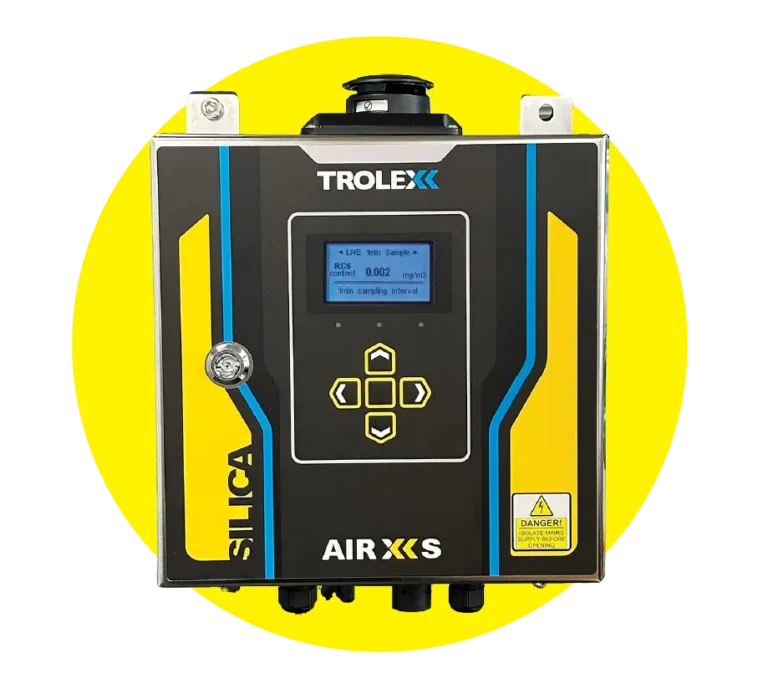
              Image of TX8100 AIR XS Silica Monitor
              TX8100 AIR XS Silica Monitor

              Image of TX8061 XD1+ Personal Dust Monitor
              TX8061 XD1+ Personal Dust Monitor

              Image of TX8005 AIR XD Dust Monitor
              TX8005 AIR XD Dust Monitor

              Image of TX8060 XD ONE Portable Dust Monitor
              TX8060 XD ONE Portable Dust Monitor

              PRODUCT SALES ENQUIRIES

              GET PRODUCT UPDATES

                You may unsubscribe from these communications at any time. For more information on how to unsubscribe, our privacy practices, and how we are committed to protecting and respecting your privacy, please review our Privacy Policy.

                5 quarrying scenarios where respirable dust is generated

                Crushing + screening

                Breaking down all types and sizes of rocks in quarrying, through crushing and screening processes generate high levels of respirable dust. When the rocks are crushed and then screened, large volumes of both visible and invisible dust becomes airborne and travels across the entire quarry site, presenting a risk for all workers. 

                Drilling + blasting

                As in mining, quarrying also involves a large amount of drilling, blasting and other methods to break down rocks and spaces for processing and extracting. These processes lead to rocks, clay and other natural materials becoming very small and making them airborne and easily inhaled, leading to severe health risks for workers. 

                Storage of minerals + natural materials

                Once all materials have been extracted and processed, they’re stored in designated areas after collection. Here, natural materials are stored in stockpiles, where they grind against other materials and minerals, creating more and more respirable dust. When these minerals are used, the settled dust becomes disturbed and airborne. 

                Maintenance + handling processes

                Maintenance of all types of machinery, vehicles and minerals, such as rock and sand in quarrying can generate respirable dust. If dust from screening, drilling and even in stockpiles isn’t correctly maintained it becomes dormant. Poor maintenance and handling processes like dry sweeping can spread dust, presenting health issues. 

                Transport of goods

                Heavy-duty vehicles used in quarrying such as haul trucks and conveyors often involve moving large volumes of natural minerals which have been processed and are fine and small in size. This can present risk of airborne dust across all areas of the site, as well as other dust which may be trapped in wheels and cabs of the vehicle. 

                PARTICULATE MONITORING

                Image of TX8100 AIR XS Silica Monitor
                TX8100 AIR XS Silica Monitor

                Image of TX8061 XD1+ Personal Dust Monitor
                TX8061 XD1+ Personal Dust Monitor

                Image of TX8005 AIR XD Dust Monitor
                TX8005 AIR XD Dust Monitor

                Image of TX8060 XD ONE Portable Dust Monitor
                TX8060 XD ONE Portable Dust Monitor

                GET AIR X UPDATES

                  You may unsubscribe from these communications at any time. For more information on how to unsubscribe, our privacy practices, and how we are committed to protecting and respecting your privacy, please review our Privacy Policy.

                  5 health risks linked to occupational dust exposure

                  1. Occupational lung diseases

                  Arguably the most well-known and common risk associated with exposure to hazardous dusts in the workplace relate to occupational lung diseases. Diseases such as Silicosis, Chronic Obstructive Pulmonary Disease (COPD), Black Lung Disease and occupational lung cancer all are associated with dust inhalation in the workplace. 

                  2. Respiratory illness and irritation

                  Whilst long-term exposure to breathing in dust can lead to lung diseases, initial, short-term exposure to hazardous dusts can lead to respiratory illness and irritation. Breathing in dust such as Respirable Crystalline Silica (RCS) and wood dust can cause serious respiratory diseases; the NHS claim it’s the third biggest cause of death in England. 

                  3. Cardiovascular diseases

                  Exposure to breathing in hazardous dust can lead to cardiovascular diseases and other heart and blood vessel issues. Dust and hazardous particulates can easily travel through your bloodstream and deep into your lungs, damaging your blood vessels in the process. This can increase blood pressure and make it more likely to give you blood clots. 

                  4. Occupational asthma

                  The British Thoracic Society reports that occupational asthma is responsible for roughly 1/6 cases of adult-onset asthma. Occupational asthma can be caused by various types of dust in multiple different industries, such as flour dust, wood dust, grain dust and various fumes from metals.  

                  5. Long-term health concerns

                  There have been examples of various other health concerns relating to workplace exposure to hazardous dust. Skin, eye and nose irritation, as well as some rare examples of kidney disease have all been linked to examples where workers have failed to protect themselves against hazardous dust. 

                  PARTICULATE MONITORING

                  Image of TX8100 AIR XS Silica Monitor
                  TX8100 AIR XS Silica Monitor

                  Image of TX8061 XD1+ Personal Dust Monitor
                  TX8061 XD1+ Personal Dust Monitor

                  Image of TX8005 AIR XD Dust Monitor
                  TX8005 AIR XD Dust Monitor

                  Image of TX8060 XD ONE Portable Dust Monitor
                  TX8060 XD ONE Portable Dust Monitor

                  GET AIR X UPDATES

                    You may unsubscribe from these communications at any time. For more information on how to unsubscribe, our privacy practices, and how we are committed to protecting and respecting your privacy, please review our Privacy Policy.

                    Industry Solutions

                    Mining
                    Solutions

                    It’s estimated around 50 million underground miners are exposed to hazardous dust and gases in their workplaces. With limited ventilation, restricted airflow and confined spaces in underground mining, effective monitoring of hazardous dust and gases is essential. Here’s the solution.

                    TROLEX UNDERGROUND MINING SOLUTIONS

                    Gas Detection

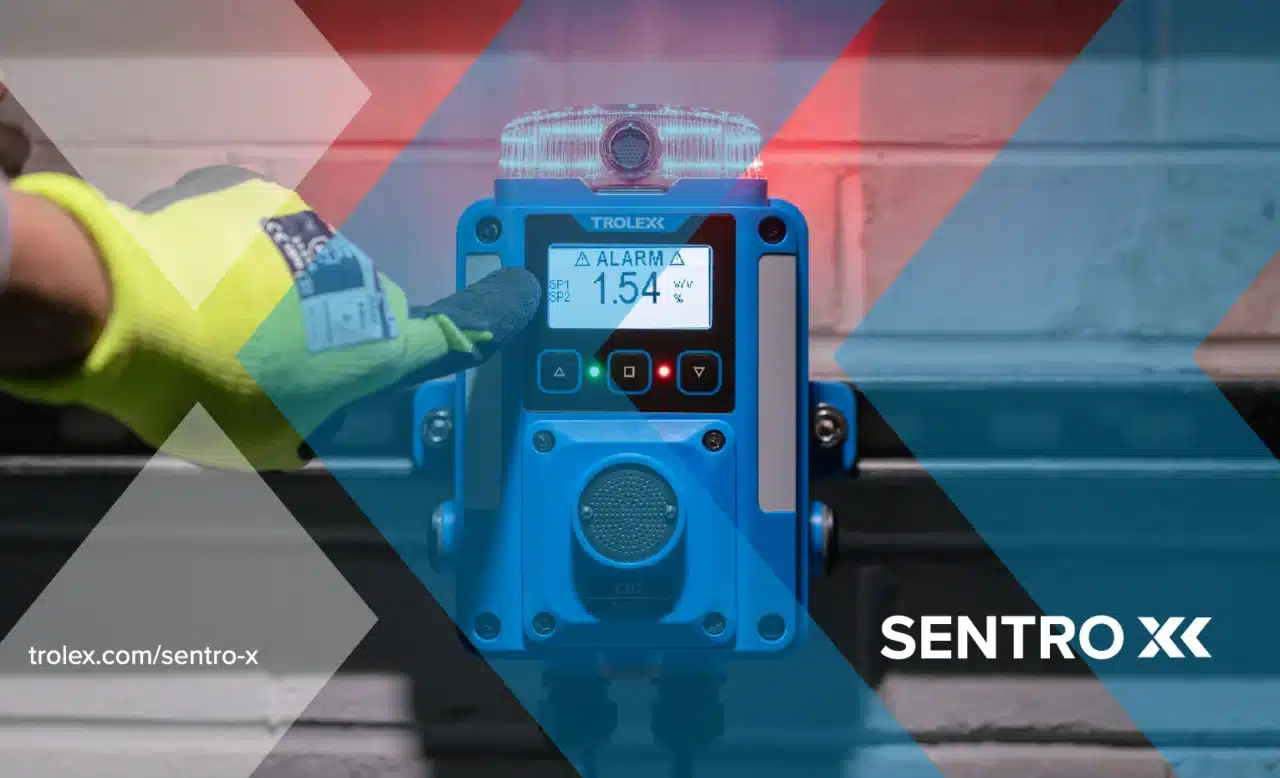
                    Image of TX6310 SENTRO X Gas Detector

                    TX6310 SENTRO X Gas Detector

                    Image of TX9165 SENTRO 8

                    TX9165 SENTRO 8

                    Image of TX6351-2 SENTRO 1

                    TX6351-2 SENTRO 1

                    Image of Gas Detection

                    Gas Detection

                    Particulate Monitoring

                    Image of TX8005 AIR XD Dust Monitor
                    TX8005 AIR XD Dust Monitor

                    Image of TX8100 AIR XS Silica Monitor
                    TX8100 AIR XS Silica Monitor

                    Image of TX8060 XD ONE Portable Dust Monitor
                    TX8060 XD ONE Portable Dust Monitor

                    Image of AIR X Software
                    AIR X Software

                    Other Products

                    Image of Other Products

                    Other Products

                    Image of Aethair Technology

                    Aethair Technology

                    PRODUCT SALES ENQUIRIES

                    GET PRODUCT UPDATES

                      You may unsubscribe from these communications at any time. For more information on how to unsubscribe, our privacy practices, and how we are committed to protecting and respecting your privacy, please review our Privacy Policy.