INDUSTRY RISKS
· UNDERGROUND MINING

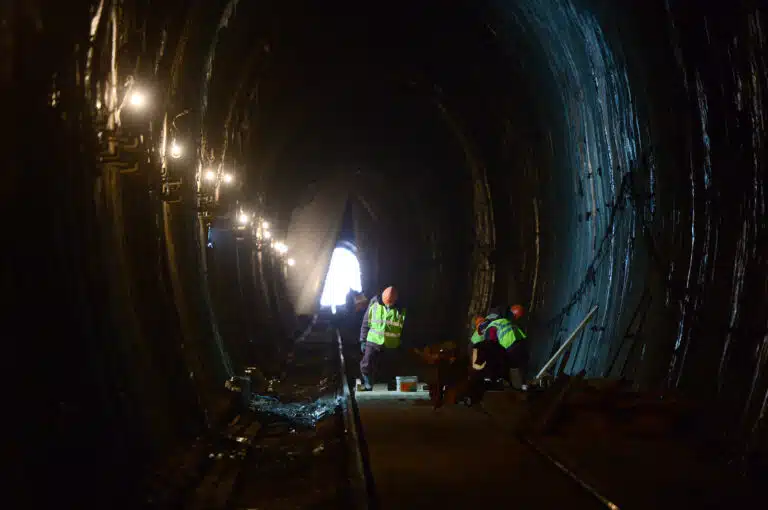
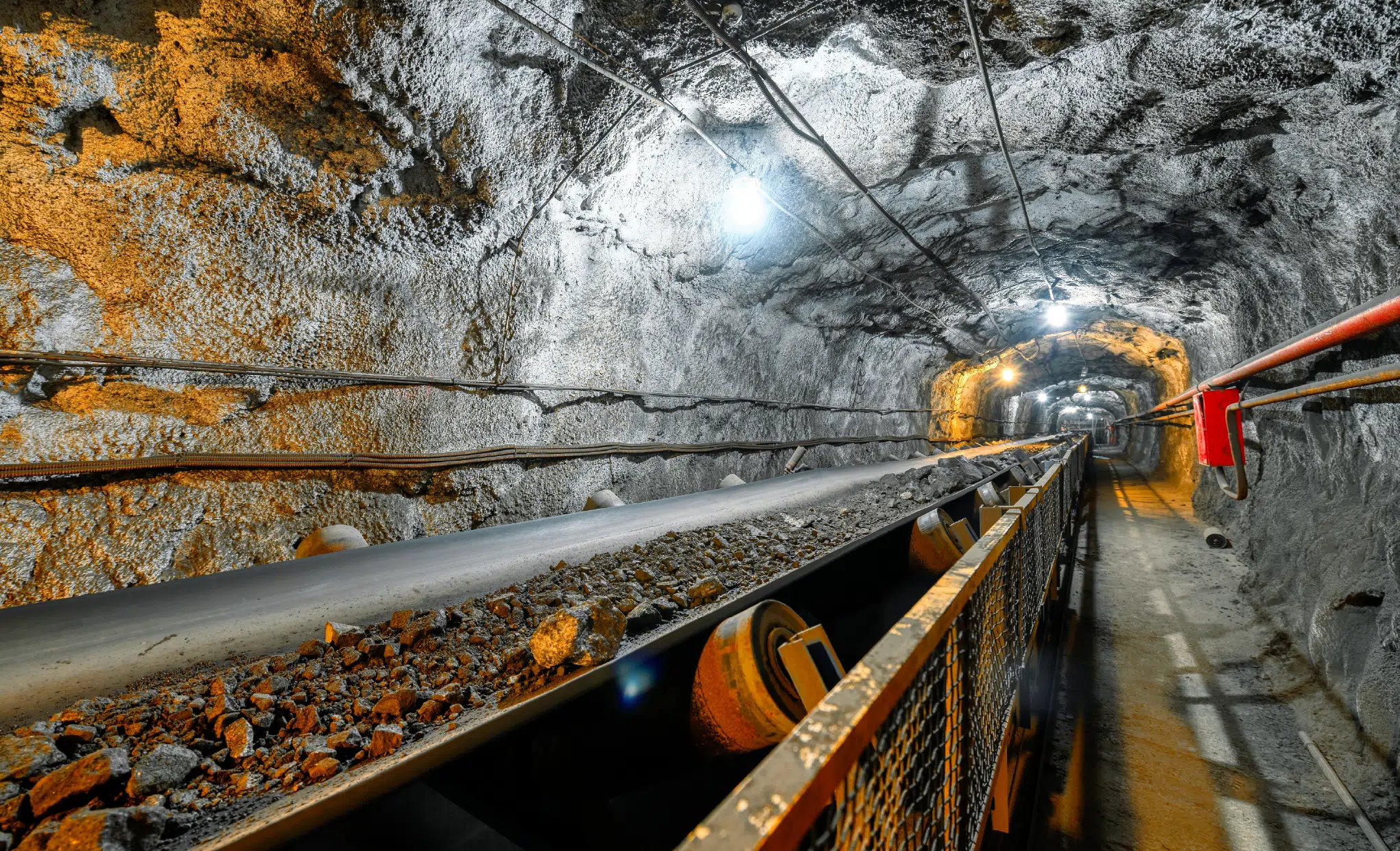
More than 250 deaths per year in underground mining are attributed to silicosis, claims Mine Safety and Health Administration (MSHA). Exposure to Respirable Crystalline Silica (RCS), as well as other dusts, is generated through different processes and conditions specific to underground occupational environments.

What are the risks?

  • Construction dust
  • Respirable dust
  • Respirable Crystalline Silica (RCS)
  • Nitrogen Dioxide
  • Hydrogen Sulphide
  • Sulphur Dioxide
  • Flammable gases
  • Oxygen
  • Methane
  • Ammonia

Why may these risks occur?

  • Drilling into rock + existing structures
  • Excavation of rocks
  • Lack of effective ventilation
  • Loading + unloading of materials
  • Transportation + use of machinery
  • Transportation of raw materials
  • Blasting into natural structures
  • Drilling natural structures
  • Excavation of rock
  • Natural deposits in rocks
  • Use of vehicle + machine engines
  • Lack of ventilation
  • Rock bursts

PRODUCT SOLUTIONS

Image of Particulate Monitoring
Particulate Monitoring

Image of Gas Detection
Gas Detection

Image of Software Solutions
Software Solutions

Image of Other Products
Other Products

Was this page helpful?

    More detail requiredMore variety of content neededIncorrect informationBroken linksHard to readUnclear page formatting

      DetailVariety of contentUseful informationEasy to readPage formatting

      GET PRODUCT UPDATES

        You may unsubscribe from these communications at any time. For more information on how to unsubscribe, our privacy practices, and how we are committed to protecting and respecting your privacy, please review our Privacy Policy.

        INDUSTRY RISKS
        Open Pit + Overground Mining

        The International Council of Mining and Metals (ICMM) report occupational diseases contribute to nearly 2.5 million annual deaths in mining + metallurgy industries. Exposure to hazardous particulates + gases play a major role in this.

        What are the risks?

        • Asbestos particulates
        • Copper powder
        • Diesel Engine Exhaust Emissions (DEEE)
        • Respirable Crystalline Silica (RCS)
        • Gold + other mataliferous dusts
        • Other airborne dusts + mists
        • Carbon Dioxide
        • Hydrogen Sulphide
        • Sulphur Dioxide
        • Mercury vapour
        • Methane

        Why may these risks occur?

        • Blasting rock + other raw materials
        • Crushing rock + other raw materials
        • Demolition of rock structures
        • Use of certain machinery
        • Blasting rock + other raw materials
        • Decay of organic matter
        • Processing rocks + raw materials
        • Use of certain machinery
        • Use of diesel vehicles

        PRODUCT SOLUTIONS

        Image of Particulate Monitoring
        Particulate Monitoring

        Image of Gas Detection
        Gas Detection

        Image of Software Solutions
        Software Solutions

        Image of Other Products
        Other Products

        Was this page helpful?

          More detail requiredMore variety of content neededIncorrect informationBroken linksHard to readUnclear page formatting

            DetailVariety of contentUseful informationEasy to readPage formatting

            GET PRODUCT UPDATES

              You may unsubscribe from these communications at any time. For more information on how to unsubscribe, our privacy practices, and how we are committed to protecting and respecting your privacy, please review our Privacy Policy.

              INDUSTRY RISKS
              · WELDING + METAL MANUFACTURING

              The National Institute of Health (NIH) reports that 110 million people  are exposed to welding fumes at work in various industries. Various fumes and metal dust exposure can be generated through different forms of welding and other methods.

              • NIH reports that approximately 11 million people work as welders worldwide
              • NIH continue that 110 million people are exposed to welding  fumes at work in various industries
              • Oxford Economics determines that 40.5 million people work with in the steel industry’s global supply chain

              What are the risks?

              • Cadmium dust + fumes
              • Nickel dust + fumes
              • Welding dust + fumes
              • Zinc dust + fumes
              • Flammable gases
              • Nitrous oxides
              • Ozone

              Why may these risks occur?

              • Brazing
              • Foundry works
              • Plasma + laser cutting
              • Soldering
              • Smelting
              • Welding
              • Arc welding
              • Heating metals
              • Welding

              PRODUCT SOLUTIONS

              Image of Particulate Monitoring
              Particulate Monitoring

              Image of Gas Detection
              Gas Detection

              Image of Software Solutions
              Software Solutions

              Image of Other Products
              Other Products

              Was this page helpful?

                More detail requiredMore variety of content neededIncorrect informationBroken linksHard to readUnclear page formatting

                  DetailVariety of contentUseful informationEasy to readPage formatting

                  GET PRODUCT UPDATES

                    You may unsubscribe from these communications at any time. For more information on how to unsubscribe, our privacy practices, and how we are committed to protecting and respecting your privacy, please review our Privacy Policy.

                    INDUSTRY RISKS
                    · TUNNELLING INDUSTRY

                    According to Health + Safety International, 1-in-10 tunnel workers are at risk of developing silicosis in Australia. Exposure to crystalline silica, as well as other types of hazardous dust are common in tunnelling due to various types of tunnelling processes.

                    What are the risks?

                    • Arsenic dusts
                    • Construction dust
                    • Diesel Particulate Matter (DPM)
                    • Respirable Crystalline Silica (RCS)
                    • Wood dust
                    • Nitrogen Dioxide
                    • Hydrogen Sulphide
                    • Sulphur Dioxide
                    • Oxygen
                    • Flammable gases
                    • Methane
                    • Ammonia

                    Why may these risks occur?

                    • Drilling into rock + existing structures
                    • Excavation of rocks
                    • Lack of effective ventilation
                    • Loading + unloading of materials
                    • Transportation + use of machinery
                    • Transportation of raw materials
                    • Blasting into natural structures
                    • Drilling natural structures
                    • Excavation of rock
                    • Natural deposits in rocks
                    • Use of vehicle + machine engines

                    PRODUCT SOLUTIONS

                    Image of Particulate Monitoring
                    Particulate Monitoring

                    Image of Gas Detection
                    Gas Detection

                    Image of Software Solutions
                    Software Solutions

                    Image of Other Products
                    Other Products

                    Was this page helpful?

                      More detail requiredMore variety of content neededIncorrect informationBroken linksHard to readUnclear page formatting

                        DetailVariety of contentUseful informationEasy to readPage formatting

                        GET PRODUCT UPDATES

                          You may unsubscribe from these communications at any time. For more information on how to unsubscribe, our privacy practices, and how we are committed to protecting and respecting your privacy, please review our Privacy Policy.

                          INDUSTRY RISKS
                          · TEXTILES + APPAREL MANUFACTURING

                          The Institution of Occupational Safety and Health (IOSH) reports that the 300 million workers in the global textile and garment industry are disproportionately exposed to various occupational hazards and risks, including hazardous chemicals and various dusts.

                          • According to IOSH, the global textile and garment industry employs 300 million people

                          • IOSH reports that the 300 million workers are disproportionately exposed to various occupational hazards and risks, including hazardous chemicals
                          • It’s reported by UN Environment Programme that every year across the world, 92 million tonnes of textile waste is produced
                          • By 2030, global apparel consumption is projected to rise by 63%, from today’s 70 million tons to 105 million tons according to UK Parliament

                          What are the risks?

                          • Cotton dust
                          • Dyestuff dust
                          • Fabric dust
                          • Wool dust
                          • Respirable Crystalline Silica (RCS)
                          • Formaldehyde
                          • Solvents
                          • Volatile Organic Compounds (VOCs)

                          Why may these risks occur?

                          • Backwinding materials
                          • Carding materials
                          • Handling dry powders
                          • Handling raw materials
                          • Winding materials
                          • Sandblasting jeans
                          • Blending materials
                          • Handling raw materials
                          • Textile finishing

                          PRODUCT SOLUTIONS

                          Image of Particulate Monitoring
                          Particulate Monitoring

                          Image of Gas Detection
                          Gas Detection

                          Image of Software Solutions
                          Software Solutions

                          Image of Other Products
                          Other Products

                          Was this page helpful?

                            More detail requiredMore variety of content neededIncorrect informationBroken linksHard to readUnclear page formatting

                              DetailVariety of contentUseful informationEasy to readPage formatting

                              GET PRODUCT UPDATES

                                You may unsubscribe from these communications at any time. For more information on how to unsubscribe, our privacy practices, and how we are committed to protecting and respecting your privacy, please review our Privacy Policy.

                                INDUSTRY RISKS
                                · STONE INDUSTRY

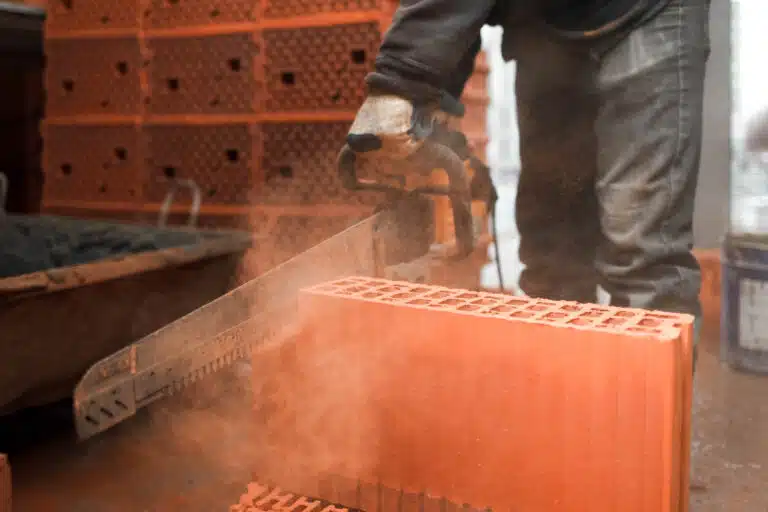
                                An estimated 600,000 workers are exposed to silica in the UK each year according to the British Safety Council, which is generated in various different ways across multiple occupational environments, including stonemasonry and worktop manufacturing.

                                What are the risks?

                                • Construction dust
                                • Fine engineered stone
                                • Respirable dusts
                                • Respirable Crystalline Silica (RCS)

                                Why may these risks occur?

                                • Drilling + chiselling stone
                                • Grinding + cutting stone
                                • Lack of wet methods
                                • Polishing stone
                                • Poor ventilation
                                • Use of engineered stone over natural stone

                                PARTICULATE MONITORING

                                Image of TX8100 AIR XS Silica Monitor
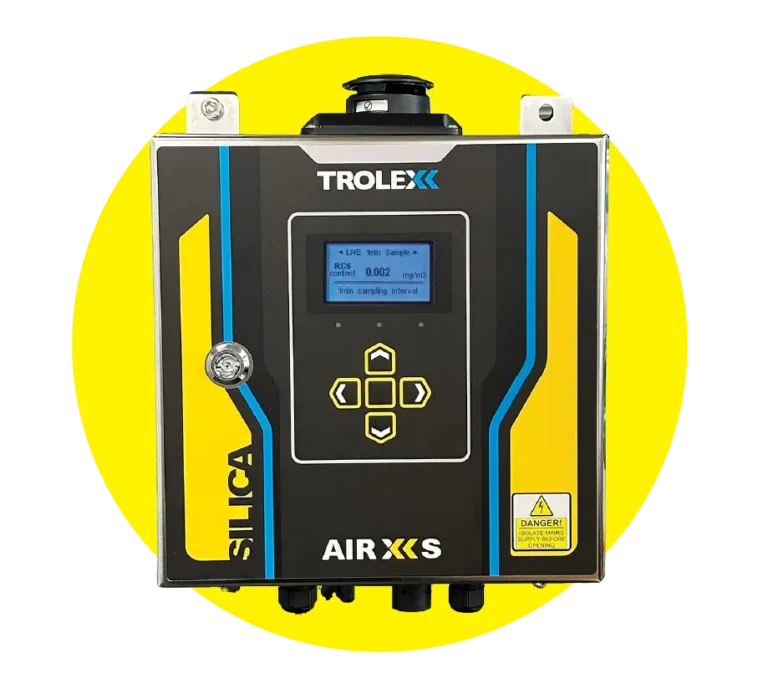
                                TX8100 AIR XS Silica Monitor

                                Image of TX8061 XD1+ Personal Dust Monitor
                                TX8061 XD1+ Personal Dust Monitor

                                Image of TX8005 AIR XD Dust Monitor
                                TX8005 AIR XD Dust Monitor

                                Image of TX8060 XD ONE Portable Dust Monitor
                                TX8060 XD ONE Portable Dust Monitor

                                Was this page helpful?

                                  More detail requiredMore variety of content neededIncorrect informationBroken linksHard to readUnclear page formatting

                                    DetailVariety of contentUseful informationEasy to readPage formatting

                                    GET PRODUCT UPDATES

                                      You may unsubscribe from these communications at any time. For more information on how to unsubscribe, our privacy practices, and how we are committed to protecting and respecting your privacy, please review our Privacy Policy.

                                      INDUSTRY RISKS
                                      · Recycling + Waste Management

                                      The Health and Safety Executive (HSE) reports 5,000 workers suffer from work-related ill health in Waste Management in Great Britain, which can come from exposure to fumes and dusts like chemical waste.

                                      What are the risks?

                                      • Asbestos
                                      • Respirable Crystalline Silica (RCS)
                                      • Construction dusts
                                      • Ammonia
                                      • Chemical + hazardous waste
                                      • Hazardous disinfectants
                                      • Methane
                                      • Solvents

                                      Why may these risks occur?

                                      • Failure to manage waste
                                      • Handling hazardous waste
                                      • Inadequate segregation of waste
                                      • Failure to manage waste + water
                                      • Inadequate segregation of waste
                                      • Leaks + spills of chemicals

                                      PRODUCT SOLUTIONS

                                      Image of Particulate Monitoring
                                      Particulate Monitoring

                                      Image of Gas Detection
                                      Gas Detection

                                      Image of Software Solutions
                                      Software Solutions

                                      Image of Other Products
                                      Other Products

                                      Was this page helpful?

                                        More detail requiredMore variety of content neededIncorrect informationBroken linksHard to readUnclear page formatting

                                          DetailVariety of contentUseful informationEasy to readPage formatting

                                          GET PRODUCT UPDATES

                                            You may unsubscribe from these communications at any time. For more information on how to unsubscribe, our privacy practices, and how we are committed to protecting and respecting your privacy, please review our Privacy Policy.

                                            INDUSTRY RISKS
                                            · QUARRYING + AGGREGATES

                                            World Green Building Council reports every year about 100 billion tonnes of hard rock and other raw materials are extracted in quarrying for use across industrial sectors globally. When demolished, drilled into or blasted, these fine materials can become respirable and airborne, posing serious health risks to workers.

                                            What are the risks?

                                            • Construction dust
                                            • Diesel Engine Exhaust Emissions
                                            • Quarry + aggregate dust
                                            • Respirable Crystalline Silica (RCS)
                                            • Hard rock
                                            • Carbon Monoxide
                                            • Hydrogen Sulphide
                                            • Formaldehyde
                                            • Flammable gases
                                            • Methane

                                            Why may these risks occur?

                                            • Cutting into hard rocks
                                            • Drilling into hard rocks
                                            • Demolition of hard rocks
                                            • Use of certain machinery
                                            • Transportation of hard rocks
                                            • Blasting rock + other raw materials
                                            • Handling hard rocks
                                            • Processing rocks + raw materials
                                            • Transportation of materials
                                            • Use of explosives
                                            • Use of diesel vehicles

                                            PRODUCT SOLUTIONS

                                            Image of Particulate Monitoring
                                            Particulate Monitoring

                                            Image of Gas Detection
                                            Gas Detection

                                            Image of Software Solutions
                                            Software Solutions

                                            Image of Other Products
                                            Other Products

                                            Was this page helpful?

                                              More detail requiredMore variety of content neededIncorrect informationBroken linksHard to readUnclear page formatting

                                                DetailVariety of contentUseful informationEasy to readPage formatting

                                                GET PRODUCT UPDATES

                                                  You may unsubscribe from these communications at any time. For more information on how to unsubscribe, our privacy practices, and how we are committed to protecting and respecting your privacy, please review our Privacy Policy.

                                                  INDUSTRY RISKS
                                                  · OIL + GAS PRODUCTION

                                                  The National Institute of Health reports oil + gas industry occupational fatality rate is 2.5 x higher than the construction industry. A factor causing this is exposure to hazardous chemicals, fumes and particulates, such as Diesel Particulate Matter (DPM).

                                                  What are the risks?

                                                  • Diesel Particulate Matter
                                                  • Respirable Crystalline Silica (RCS)
                                                  • Carbon Dioxide
                                                  • Hydrogen Sulphide
                                                  • Methane
                                                  • Diesel + other gas leaks

                                                  Why may these risks occur?

                                                  • Use of diesel engines + vehicles
                                                  • Use of machinery
                                                  • Use of silica in fracturing
                                                  • Sanding wood
                                                  • Extraction processes
                                                  • Hydraulic fracturing
                                                  • Leaks + spills
                                                  • Use of machinery

                                                  PRODUCT SOLUTIONS

                                                  Image of Particulate Monitoring
                                                  Particulate Monitoring

                                                  Image of Gas Detection
                                                  Gas Detection

                                                  Image of Software Solutions
                                                  Software Solutions

                                                  Image of Other Products
                                                  Other Products

                                                  Was this page helpful?

                                                    More detail requiredMore variety of content neededIncorrect informationBroken linksHard to readUnclear page formatting

                                                      DetailVariety of contentUseful informationEasy to readPage formatting

                                                      GET PRODUCT UPDATES

                                                        You may unsubscribe from these communications at any time. For more information on how to unsubscribe, our privacy practices, and how we are committed to protecting and respecting your privacy, please review our Privacy Policy.

                                                        INDUSTRY RISKS
                                                        · FORESTRY + WOODWORK

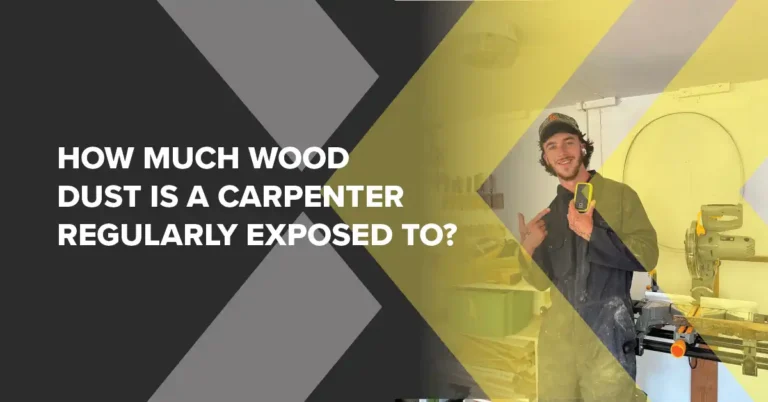
                                                        The National Institute of Health reports that over 60 million workers across the globe are exposed to wood dust in the workplace. This can result in various occupational respiratory illnesses such as
                                                        silicosis and asthma.

                                                        What are the risks?

                                                        • Hardwood dust
                                                        • Respirable Crystalline Silica (RCS)
                                                        • Sawdust
                                                        • Softwood dust
                                                        • Formaldehyde
                                                        • Volatile Organic Compounds

                                                        Why may these risks occur?

                                                        • Chipping wood
                                                        • Chiselling wood
                                                        • Cutting wood
                                                        • Sanding wood
                                                        • Sawing wood
                                                        • Settled dust being disturbed
                                                        • Finishing wood products
                                                        • Painting wood
                                                        • Polishing wood
                                                        • Restoring wood
                                                        • Smoke from charcoal production

                                                        PRODUCT SOLUTIONS

                                                        Image of Particulate Monitoring
                                                        Particulate Monitoring

                                                        Image of Gas Detection
                                                        Gas Detection

                                                        Image of Software Solutions
                                                        Software Solutions

                                                        Image of Other Products
                                                        Other Products

                                                        Was this page helpful?

                                                          More detail requiredMore variety of content neededIncorrect informationBroken linksHard to readUnclear page formatting

                                                            DetailVariety of contentUseful informationEasy to readPage formatting

                                                            GET PRODUCT UPDATES

                                                              You may unsubscribe from these communications at any time. For more information on how to unsubscribe, our privacy practices, and how we are committed to protecting and respecting your privacy, please review our Privacy Policy.