5 effective ways to control dust in the workplace

The dust problem

Where its not possible or reasonably practical to completely prevent exposure to hazardous dust in your workplace, implementing control methodduring dusty processes can help reduce your exposure to dust in the workplaceThis short guide will look at effective control methods as well as the Hierarchy of Controls, with 5 effective ways to control dust in your workplace.
By segregating processes which produce large volumes of dust, you can control the amount of dust your workers are exposed toIn some cases, it may even be possible to make the process entirely automated, meaning no workers are exposed to dust. Introducing a remote operation, e.g. a separate room or section within a facility meaning workers completing the dusty process never directly come into contact with the excess dust created. This process means that if workers have to complete a task which is likely to create excess hazardous dust, they spend as little, or if possible, no time exposed to the dust. 

In cases where segregation isnt possible, extraction is an option to control excess dust. Local Exhaust Ventilation (LEV) systems can be built into machines or processes which create excess dust. LEV and extraction systems collect contaminants like dust and filter out the contaminants before they’re released into the air. This process can be used for multiple processes within the workplace such as storage bins, grinding mills, conveyors, mixing machines and many more, ensuring that when excess dust is created it does not come into direct contact with workers during these processes. 

Using less-toxic materials, where applicable, is another suitable method for controlling dust exposure in your workplace. For example, the use of pellets rather than powders, or replacing sand with garnet as abrasive blasting agent can allow workers to produce a similar end product during workplace processes whilst minimising risk of dust exposure. By substituting out materials for less toxic alternativesworkers can continue their processes throughout the day, at less, or almost no risk to their respiratory health.

The use of wet methods can provide almost no airborne dust during workplace methods. Damping down materials such as stone and concrete, which are used for many workplace processes and usually create high levels of dust when disturbed, can mean potential airborne dust is limited due to the particles binding together when wet. Similarly, methods of cleaning such as dry sweeping dust or compressed air lines can spread and disturb hazardous dust across the workplace, making it airborne and posing a threat to workers healthcontrolling excess dust and reduce the risk to workers. 

Excess dust is a consist problem in workplaces where highly dusty processes occur, especially if it is not possible to completely eliminate the risk of dust. By maintaining cleanliness, encouraging workers to work with care and instructing them how to control the dust produced in their work processes by following the methods mentioned, control of dust can become a regular process in the workplace. 

PARTICULATE MONITORING

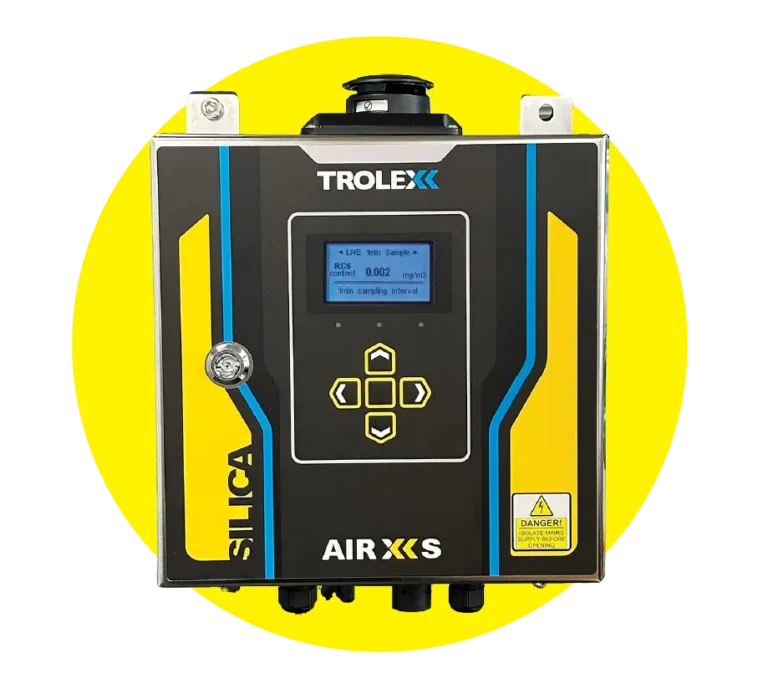
Image of TX8100 AIR XS Silica Monitor
TX8100 AIR XS Silica Monitor

Image of TX8061 XD1+ Personal Dust Monitor
TX8061 XD1+ Personal Dust Monitor

Image of TX8005 AIR XD Dust Monitor
TX8005 AIR XD Dust Monitor

Image of TX8060 XD ONE Portable Dust Monitor
TX8060 XD ONE Portable Dust Monitor

GET AIR X UPDATES

    You may unsubscribe from these communications at any time. For more information on how to unsubscribe, our privacy practices, and how we are committed to protecting and respecting your privacy, please review our Privacy Policy.