5 industries where real-time silica monitoring is effective

Each year thousands of construction workers contract or die from respiratory diseases from exposure to dust, including silica dust. This can be due to direct exposure on site or simply by just working nearby the construction site, e.g. in a nearby office or cabin.  

Obviously, activities such as drilling, cutting and building generates dust, as raw materials such as brick and stone are disturbed and ground down, making fine dust become airborne, but dust also becomes a risk to workers nearby in other ways. 

Respirable Crystalline Silica (RCS) is less than 10µm in size, meaning that it’s not only easily inhalable, but is also fine and small enough to travel far distances effecting individuals not directly located near construction activities. 

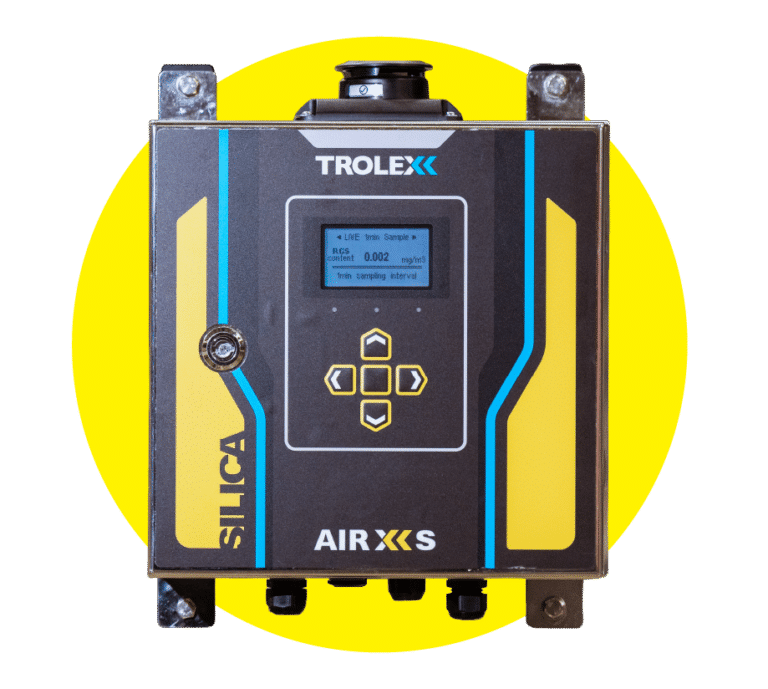
Real-time silica monitoring with AIR XS provides transportable monitoring of respirable silica dust, with a measurement capacity of 1µm to 10µm to monitor across entire construction sites, in nearby offices and further a-field to protect everyone. 

With the ability to monitor in real-time, workers can gauge which activities are causing certain RCS levels at specific times in the day, e.g. if cutting stone causes higher levels of RCS, to then introduce effective control measures to limit RCS generation. 

In the UK alone, there are approximately 2.6 million manufacturing workers, working with various different materials. Approximately 20% of workers in the UK are affected by dust from stone, cement, brick or concrete across workplace processes. 

Manufacturing processes can involve anything from welding and joinery to grinding, cutting and polishing. It can entail all different types of raw materials such as metals and plastics, as well as clay, glass and sand which can all generate dangerous RCS. 

In manufacturing as a whole, which uses various different raw materials and often has multiple processes occurring at once, it’s important to be able to distinguish RCS from other dusts, in total dust loads and mixes, in real-time, both accurately and reliably. 

Real-time silica monitoring with AIR XS provides detailed information by examining multiple detection parameters for RCS in real time, including size, symmetry, and a series of optical markers unique to RCS particles, in total dust loads. 


An estimated 49.5 million miners worldwide are exposed to high concentrations of RCS during their work. Due to specific work processes, enclosed spaces and limited air quality, exposure to silica dust can have a big impact on mining and its workers. 

Processes such as drilling and blasting of materials, even more so during demolition of entire structures, generates high levels of dust, such as silica, due to brittle underground materials such as sand and rock being regularly disturbed. 

As well as this, due to the lack of ventilation and air quality underground, as well as the enclosed spaces which workers find themselves in, RCS can become easily inhaled, sometimes causing life-threatening respirable diseases. 

Real-time silica monitoring with AIR XS offers workers the ability to know exactly how much silica dust they’re exposed to, live and in real-time, no matter the environment they’re in, even including in noisy, high-volume workspaces with limited visibility. 

Real-time readings on device as well as live and historical data through BreatheXS software allows workplaces to subsequently introduce the correct and effective control measures to prevent further overexposure. 

Exposure to silica dust in quarries is not uncommon. Highly dusty processes, with heavy-duty machinery and large-scale vehicles not only generate dust from materials but also disturb settled dust on the ground, increasing the risk.  

Crushing, drilling and blasting of raw materials such as sand and stone can generate high levels of RCS. This dust in incredibly fine and invisible to the human eye, making it easily inhalable and airborne. 

With the wide-open spaces of quarrying, and various different activities and processes being undertaken, this fine dust can easily spread from one area to another, increasing the risk of exposure to it and subsequent associated health risks. 

Real-time silica monitoring with AIR XS ensures that all RCS is accurately monitored for, particularly of vast open areas of the quarry, to account for all workers who may be exposed to hazardous silica dust. 

Thanks to the transportable capabilities of AIR XS, multiple areas, all activities and processes in a quarrying environment can be regularly monitored, allowing for effective control measures to be introduced for excess silica dust. 

Silica is a naturally occurring mineral found in many types of rocks and stones. When working in stonemasonry, natural minerals are regularly cut into, generating high levels of RCS, exposing workers to potential lung and respirable illnesses. 

Shaping, cutting and crafting natural and engineered stone involves chiselling, grinding and polishing of stone, which can contain up to 90% silica content. Once disturbed it often becomes airborne further increasing the risk of illness. 

Without effective and regular control measures, suitable for the material on the job, such as wet methods and dust extraction workers may put themselves and other workers at risk. Real-time silica monitoring can help to support this. 

Real-time silica monitoring with AIR XS provides a valuable insight to the entire workplace, which can be used for introducing the correct control measures to ensure that workers aren’t overexposed to high silica content. 

PARTICULATE MONITORING

Image of TX8100 AIR XS Silica Monitor
TX8100 AIR XS Silica Monitor

Image of TX8061 XD1+ Personal Dust Monitor
TX8061 XD1+ Personal Dust Monitor

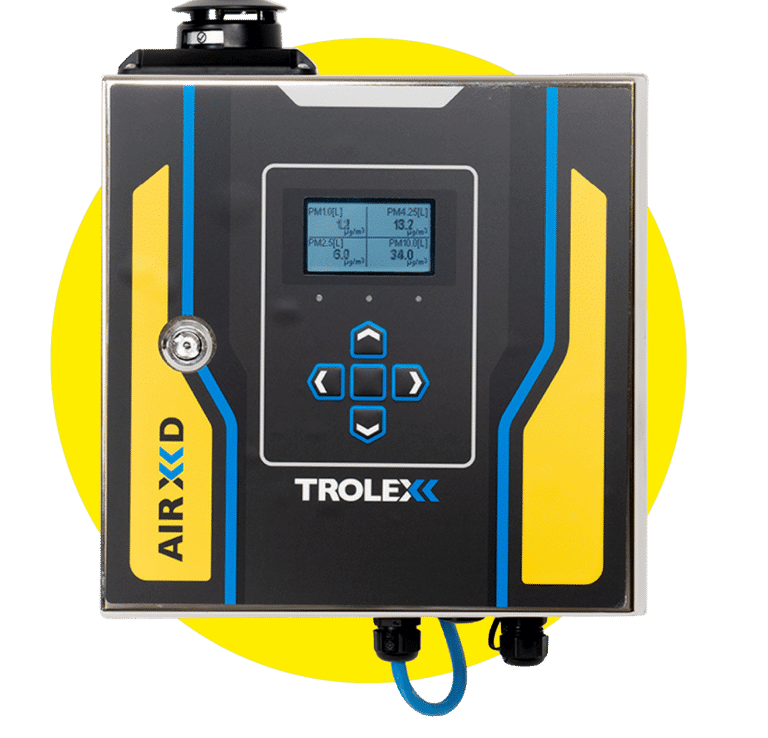
Image of TX8005 AIR XD Dust Monitor
TX8005 AIR XD Dust Monitor

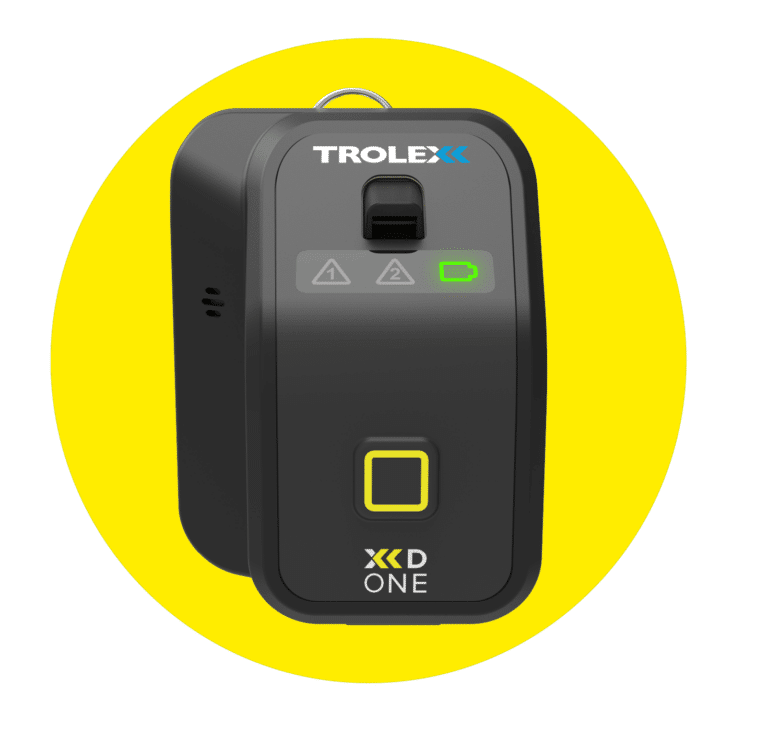
Image of TX8060 XD ONE Portable Dust Monitor
TX8060 XD ONE Portable Dust Monitor

GET AIR X UPDATES

    You may unsubscribe from these communications at any time. For more information on how to unsubscribe, our privacy practices, and how we are committed to protecting and respecting your privacy, please review our Privacy Policy.