Water suppression
Using damping methods helps to reduce dust clouds by making dust clouds heavier, making it less likely to become airborne and therefore less likely to be inhaled. There’s a few methods for this:
- Water spraying includes directly spraying dust generated in the air, making it heavier and falling to the ground.
- Misting and fogging reduces dust by targeting entire workplace areas rather than specific activities, reducing overall dust on construction sites.
- On-tool water suppression can be used on hand-held tools and smaller machinery, directly wetting any particles generated directly during the process.
On-tool extraction
Similar to on-tool water suppression, there are a few ways to reduce dust directly from the tools generating the dust. Local Exhaust Ventilation (LEV) systems can be fitted on various types of construction tools and consist of various parts:
- The hood is directly fitted next to where the dust is being generated. It instantly contains the dust and pushes it through an extraction system.
- The extraction system gathers all the dust from the hood circulating it through a tube, then circulating it aways from workers, into a filtration system.
- The filtration system is often located away from workers and separates all the dust in the air, releasing the fresh air, so the total dust can be later discarded.
Limit the dust
Whilst introducing effective control measures to prevent exposure to dust is valuable, finding ways to limit dust being generated in the first place is also important. Some effective methods include:
- Using different construction materials, such as silica-free abrasives, or even natural stones with less silica content rather than engineered stone.
- Using less powerful construction tools, such as block splitters instead of cut-off saws which generate less construction dust during cutting or drilling.
- Opting for different methods of working and processes so less dust is exposed to workers, such as automation or limiting worker time on certain jobs.
Effective RPE + PPE
As a final solution for controlling dust exposure in construction, respiratory protective equipment (RPE) and personal protective equipment (PPE) can help to limit your exposure to dust on construction sites if selected correctly. Effective RPE can include:
- Powered respirators use a motor to pass air through a filter to give a clean supply of air to you without breathing in any construction dust generated.
- Effective dust monitoring equipment allows workplaces to understand the amount of dust you’re exposed to and make effective changes to reduce it.
Real-time monitoring
Despite dust monitoring being an effective method of reducing dust levels, it’s much more effective when working in real-time, as you can see live data and receive live alarms when you’re exposed to dangerous levels of dust, which include:
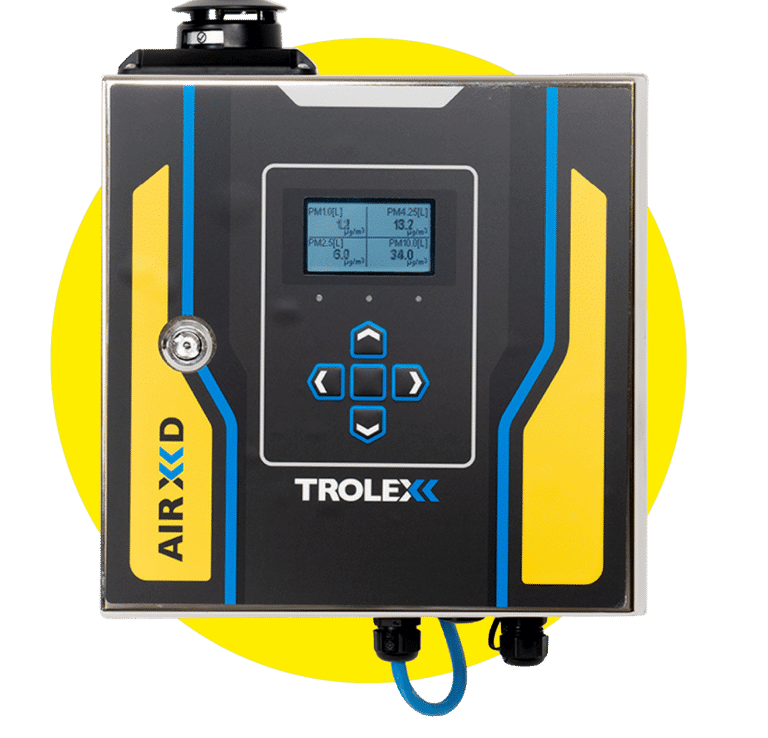
- Real-time area dust monitoring works across large scale construction projects to gain an understand of how much dust is generated across the entire site.
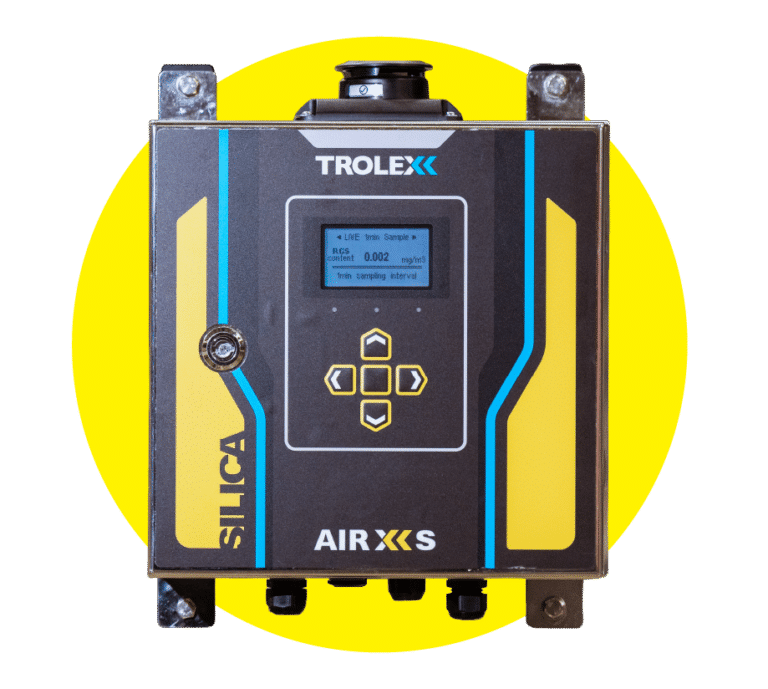
- Real-time silica monitoring allows you to get an understanding of how much silica dust is generated in construction in comparison to total dust loads.
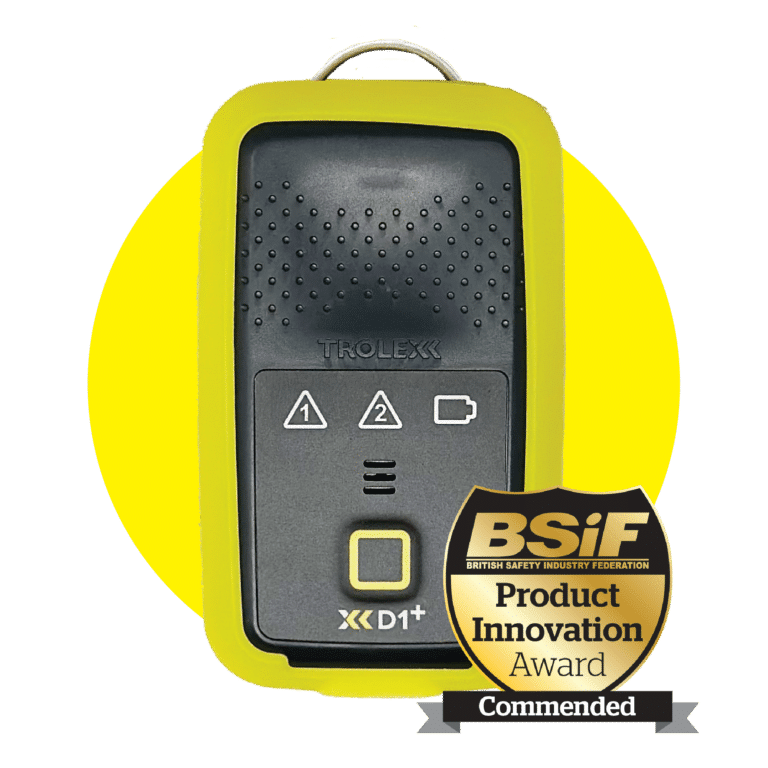
- Real-time personal dust monitoring gives individual workers real-time monitoring for your individual tasks through your time on a construction site.