INDUSTRY RISKS
· STONE INDUSTRY

An estimated 600,000 workers are exposed to silica in the UK each year according to the British Safety Council, which is generated in various different ways across multiple occupational environments, including stonemasonry and worktop manufacturing.

What are the risks?

  • Construction dust
  • Fine engineered stone
  • Respirable dusts
  • Respirable Crystalline Silica (RCS)

Why may these risks occur?

  • Drilling + chiselling stone
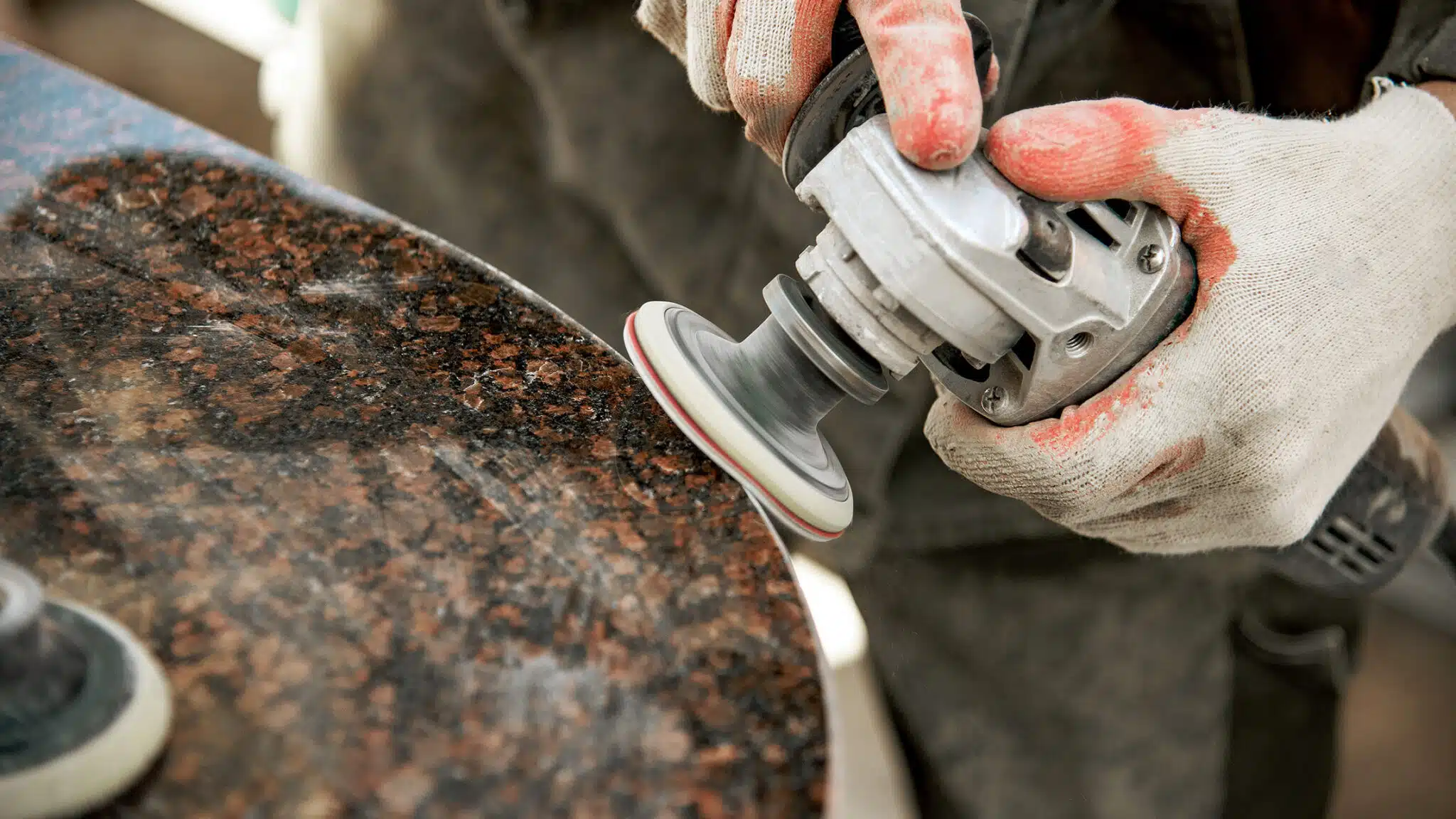
  • Grinding + cutting stone
  • Lack of wet methods
  • Polishing stone
  • Poor ventilation
  • Use of engineered stone over natural stone

PARTICULATE MONITORING

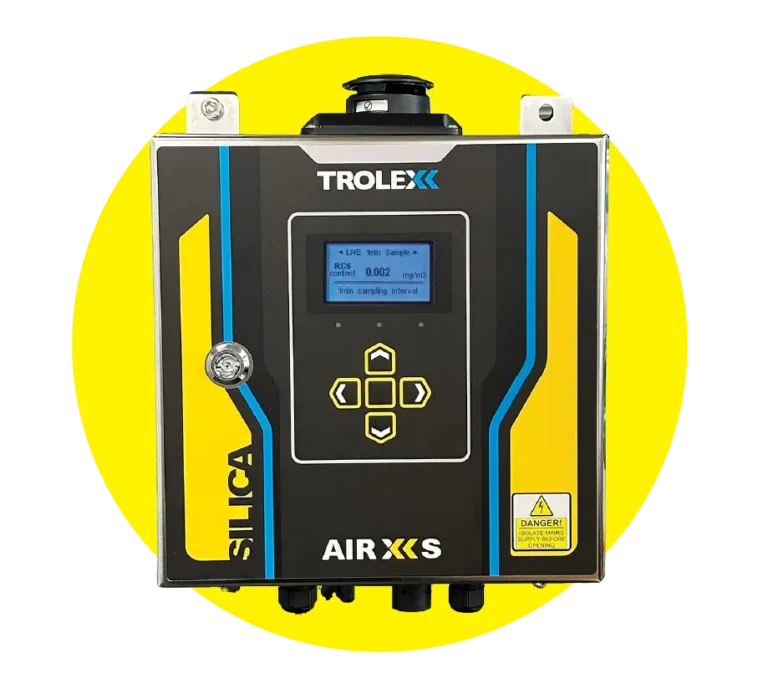
Image of TX8100 AIR XS Silica Monitor
TX8100 AIR XS Silica Monitor

Image of TX8061 XD1+ Personal Dust Monitor
TX8061 XD1+ Personal Dust Monitor

Image of TX8005 AIR XD Dust Monitor
TX8005 AIR XD Dust Monitor

Image of TX8060 XD ONE Portable Dust Monitor
TX8060 XD ONE Portable Dust Monitor

Was this page helpful?

    More detail requiredMore variety of content neededIncorrect informationBroken linksHard to readUnclear page formatting

      DetailVariety of contentUseful informationEasy to readPage formatting

      GET PRODUCT UPDATES

        You may unsubscribe from these communications at any time. For more information on how to unsubscribe, our privacy practices, and how we are committed to protecting and respecting your privacy, please review our Privacy Policy.

        5 stone working scenarios where respirable dust is generated

        Chiselling + non-power tools

        Smaller, non-power tools such as chisels can generate high levels of respirable dust, such as silica, in stone works. A vital job for creating features and designs within stone, this process requires chipping and breaking down part of the stone into fine dust as a byproduct, which becomes airborne and poses significant risk to workers. 

        CNC machines

        CNC machines use a computerised operation to cut and shape large slabs of marble and other materials in stone works, often generating dust as a byproduct. Without proper dust control measures, such as water to damp down the dust or dust extraction units added on the machine, it can become airborne and easily inhalable. 

        Handheld power tools

        Dust can be generated from handheld drills, grinders and other power tools used in stone works. The high intensity from the automation of these tools means stones are ground and broken down faster, leading to higher levels of airborne dust, especially in and around the breathing zone of those using the power tools. 

        Lack of water-controlled processes

        It’s not just on CNC machinery where water-controlled processes are essential to limiting dust control. Any large machinery jobs involving polishing, cutting and finishing generates high levels of respirable dust which, and without effective water-control to dampen the dust making it heavier, dust subsequently becomes airborne. 

        Ineffective maintenance processes

        As there are various different ways respirable dust can be generated in stone work industriesit’s essential that maintenance is as effective in relation to the workplace you’re in to prevent further dust generation. Dry sweeping, lack of dust extraction and general ignorance of the issue can lead to dormant dust not being dealt with properly. 

        PARTICULATE MONITORING

        Image of TX8100 AIR XS Silica Monitor
        TX8100 AIR XS Silica Monitor

        Image of TX8061 XD1+ Personal Dust Monitor
        TX8061 XD1+ Personal Dust Monitor

        Image of TX8005 AIR XD Dust Monitor
        TX8005 AIR XD Dust Monitor

        Image of TX8060 XD ONE Portable Dust Monitor
        TX8060 XD ONE Portable Dust Monitor

        GET AIR X UPDATES

          You may unsubscribe from these communications at any time. For more information on how to unsubscribe, our privacy practices, and how we are committed to protecting and respecting your privacy, please review our Privacy Policy.

          5 health risks linked to occupational dust exposure

          1. Occupational lung diseases

          Arguably the most well-known and common risk associated with exposure to hazardous dusts in the workplace relate to occupational lung diseases. Diseases such as Silicosis, Chronic Obstructive Pulmonary Disease (COPD), Black Lung Disease and occupational lung cancer all are associated with dust inhalation in the workplace. 

          2. Respiratory illness and irritation

          Whilst long-term exposure to breathing in dust can lead to lung diseases, initial, short-term exposure to hazardous dusts can lead to respiratory illness and irritation. Breathing in dust such as Respirable Crystalline Silica (RCS) and wood dust can cause serious respiratory diseases; the NHS claim it’s the third biggest cause of death in England. 

          3. Cardiovascular diseases

          Exposure to breathing in hazardous dust can lead to cardiovascular diseases and other heart and blood vessel issues. Dust and hazardous particulates can easily travel through your bloodstream and deep into your lungs, damaging your blood vessels in the process. This can increase blood pressure and make it more likely to give you blood clots. 

          4. Occupational asthma

          The British Thoracic Society reports that occupational asthma is responsible forroughly 1/6 cases of adult-onset asthma. Occupational asthma can be caused by various types of dust in multiple different industries, such as flour dust, wood dust, grain dust and various fumes from metals.  

          5. Long-term health concerns

          There have been examples of various other health concerns relating to workplace exposure to hazardous dust. Skin, eye and nose irritation, as well as some rare examples of kidney disease have all been linked to examples where workers have failed to protect themselves against hazardous dust. 

          PARTICULATE MONITORING

          Image of TX8100 AIR XS Silica Monitor
          TX8100 AIR XS Silica Monitor

          Image of TX8061 XD1+ Personal Dust Monitor
          TX8061 XD1+ Personal Dust Monitor

          Image of TX8005 AIR XD Dust Monitor
          TX8005 AIR XD Dust Monitor

          Image of TX8060 XD ONE Portable Dust Monitor
          TX8060 XD ONE Portable Dust Monitor

          GET AIR X UPDATES

            You may unsubscribe from these communications at any time. For more information on how to unsubscribe, our privacy practices, and how we are committed to protecting and respecting your privacy, please review our Privacy Policy.

            UK URGED TO FOLLOW AUSTRALIAN STONE BAN

            There have been recent calls for the UK government to follow in the steps of the Australia and introduce a ban of manufacturing engineered stone in an attempt to combat rising cases of silicosis.

            SILICA DUST EXPOSURE WITH ENGINEERED STONE

            This news comes after cases of silicosis linked to engineered stone exposure recently came to light globally. Workers who have been exposed to engineered stone quartz and dust are now being affected by and diagnosed with severe lung problems, linked to inhaling such dust. Earlier in the year, it had prompted the Australian government to act and ban the use, manufacturing, and production of engineered stone across the entire country. 

            Now the UK is being urged to do the same, with the first cases of occupational silicosis related to engineered stone production have now been reported in the country. Various medical staff who have treated workers diagnosed with these cases of silicosis are calling for similar action to be taken in the UK as in Australia. 

            SILICOSIS CASES IN THE UK

            According to British newspaper i the first 8 cases of silicosis linked to engineered stone use have been confirmed, all of which are men. The average age of the 8 men is 34, with the youngest to be diagnosed just 27 years old. Of the 8 cases, 1 man has died, and 2 others have been referred for lung transplant assessments. 

            The article from i features an interview with one of the diagnosed workers, Malik al-Khalil, a stonemason who is just 31. After working with engineered stone for 5 years, Malik was diagnosis with silicosis, contracted after cutting engineered stone slabs in a small London workshop. Malik said, “I want to let all the people working in this work know what’s happening from this material” and believes the only solution to this growing problem is a nationwide ban of the product; “Of course [it should be banned] because the silicosis is coming from this material.” 

            A MEDICAL CONCERN

            It’s not just Malik and fellow diagnoses patients who are calling for engineered stone to be banned in the UK. Dr Johanna Feary, a respiratory consultant from the Royal Brompton Hospital where Malik al-Khalil is being treated, and lead author for ‘Thorax’, has also highlighted her concerns over exposed to the product. Dr Feary told i “We’ve been anticipating that we would start seeing cases in the UK at some point. That moment has arrived now.” 

            The team of doctors writing in ‘Thorax’, who highlighted the first 8 cases, have also called for a legal requirement to report cases of silicosis, as well as calling for the implementation of health and safety regulation for both small companies and national guidelines to treat and monitor for silicosis. 

            AIR X PARTICULATE MONITORING

            Image of TX8100 AIR XS Silica Monitor
            TX8100 AIR XS Silica Monitor

            Image of TX8061 XD1+ Personal Dust Monitor
            TX8061 XD1+ Personal Dust Monitor

            Image of TX8005 AIR XD Dust Monitor
            TX8005 AIR XD Dust Monitor

            Image of TX8060 XD ONE Portable Dust Monitor
            TX8060 XD ONE Portable Dust Monitor

            GET AIR X PRODUCT UPDATES

              You may unsubscribe from these communications at any time. For more information on how to unsubscribe, our privacy practices, and how we are committed to protecting and respecting your privacy, please review our Privacy Policy.