Just how dangerous is silica exposure in tunnelling?
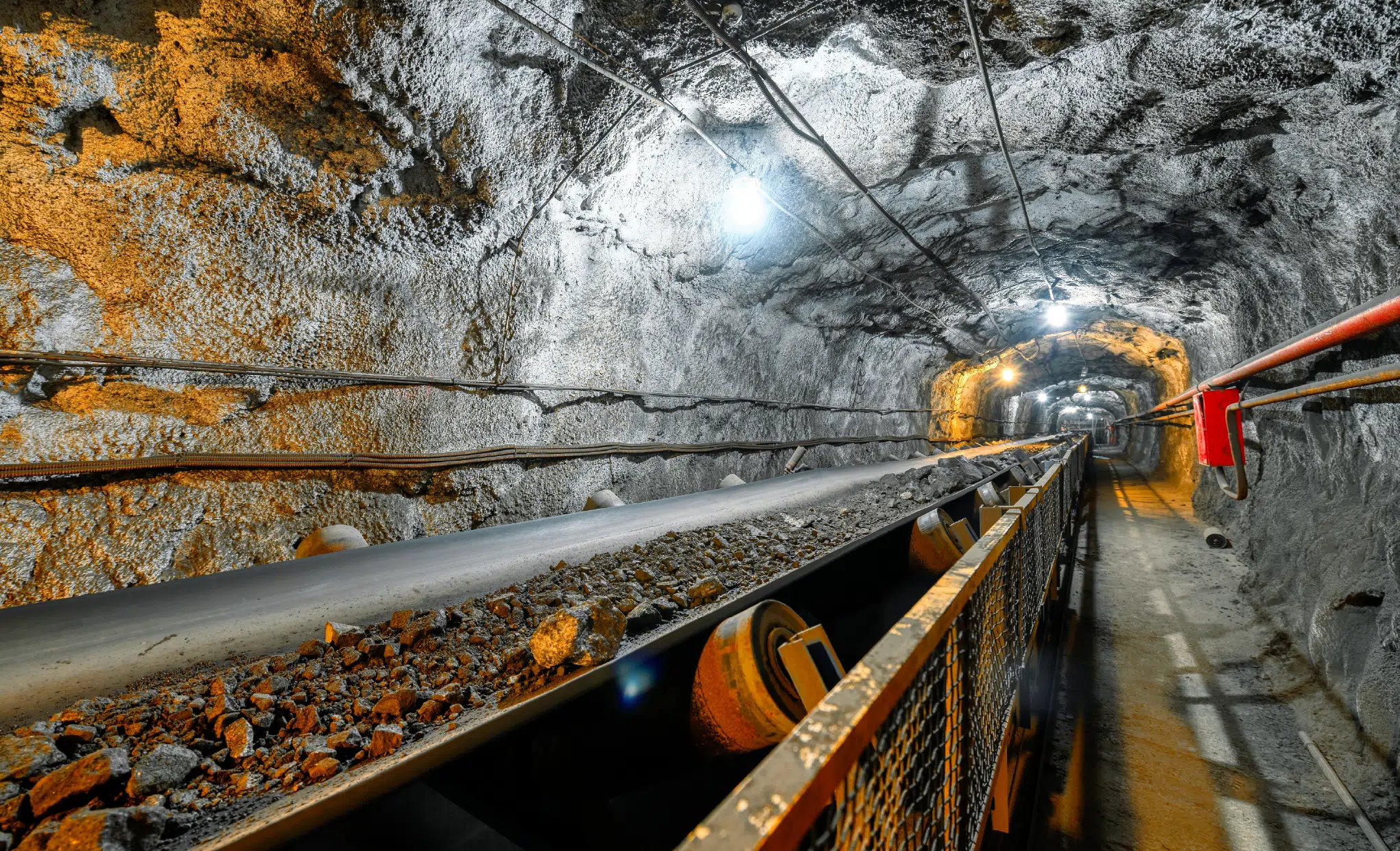
Silica dust in tunnelling is a real, measurable risk. Research looking at tunnel projects in Queensland suggests around 1 in 10 underground tunnel workers could develop silicosis in their lifetime as a result of day-to-day exposure during drilling, excavation, poor dust control and limited ventilation.
We break down what that study found, why it matters beyond Queensland (and even beyond Australia) and why real progress depends on better visibility of the risk — so you can see when exposure rises, act fast and keep control measures on track.
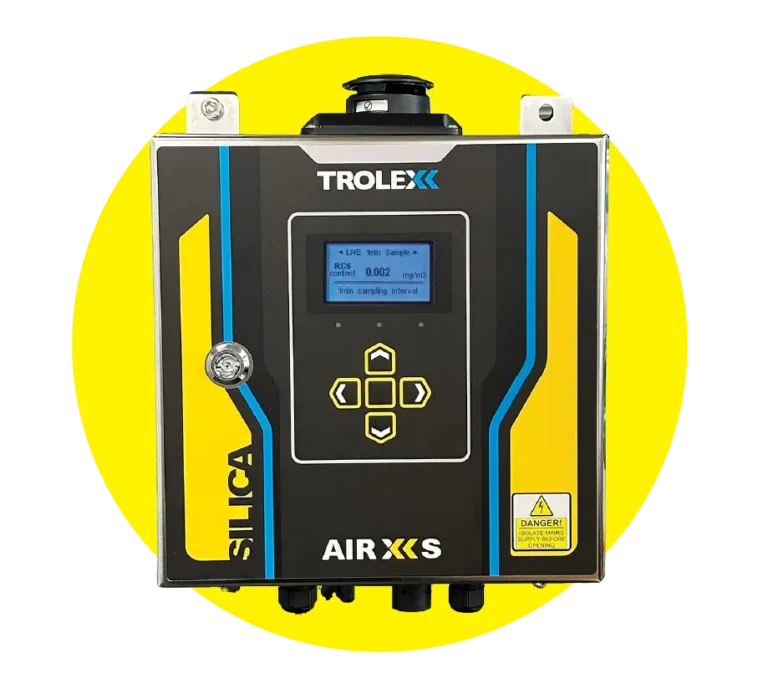
That’s where real-time silica monitoring changes the game. When you can see live exposure levels across a shift, you don’t have to rely on assumptions. You can pinpoint the tasks, locations and specific moments that result in high exposure and implement the necessary control measures to mitigate the risks.
If you’re responsible for worker health then this is a practical read for you. It’s about moving from “1 in 10 at risk” to “0 in 10”, by using better visibility, better decisions and better overall worker protection.