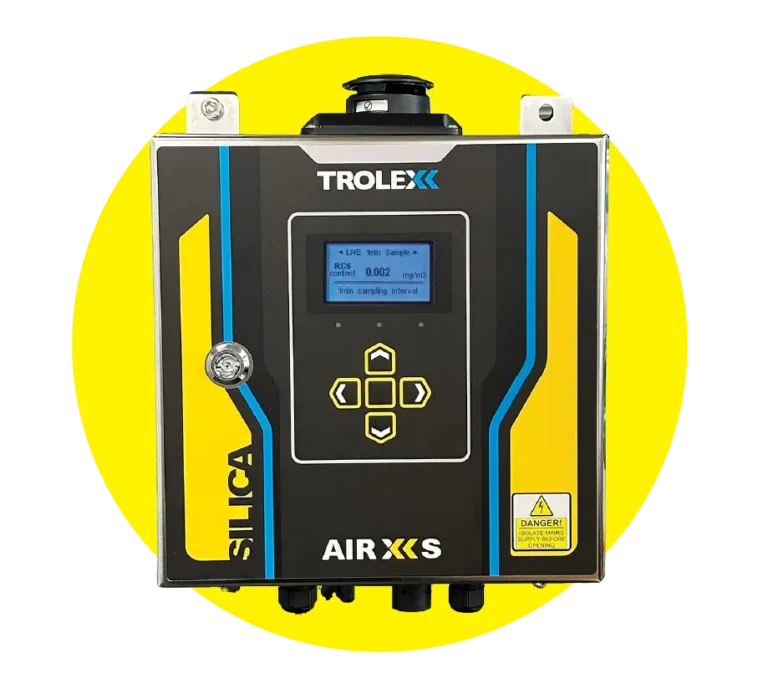
Personal sampling was conducted on one of the Mill Operators as they filled bags with materials containing crystalline silica. 2 AIR XS units were positioned either side of the Operator’s work area, and the resultant respirable crystalline silica (RCS) levels were recorded in real time.
In line with standard Occupational Hygiene practice, the personal samplers were retrieved from the Operative, processed, and submitted to an external accredited laboratory for analysis of both respirable dust and RCS exposure concentrations.
The analytical results indicated that the Operative was exposed to 0.101 mg/m³ of RCS during bagging activities. At the same time, the AIR XS units returned average RCS results of 0.118 mg/m³ and 0.079 mg/m³ respectively. The data provided valuable insights into the operative’s behaviours based on exposure profiles during the assessment period.
On the results, the client commented:
“We were exploring ways to improve our understanding of airborne exposure in real time, and the AIR X trial offered exactly that. Compared to traditional monitoring, which gave us just a single data point, the real-time exposure profile illuminated work patterns and pinpointed specific sources of particulates throughout the shift. It provided a level of insight we hadn’t seen before and opened the door to more informed decision-making.”

This comparative result not only demonstrates how AIR XS performs in line with traditional monitoring techniques, but also highlights its importance in interpreting operative behaviours, the impact of resting periods, and the design of control measures.