AIR X PARTICULATE MONITORING
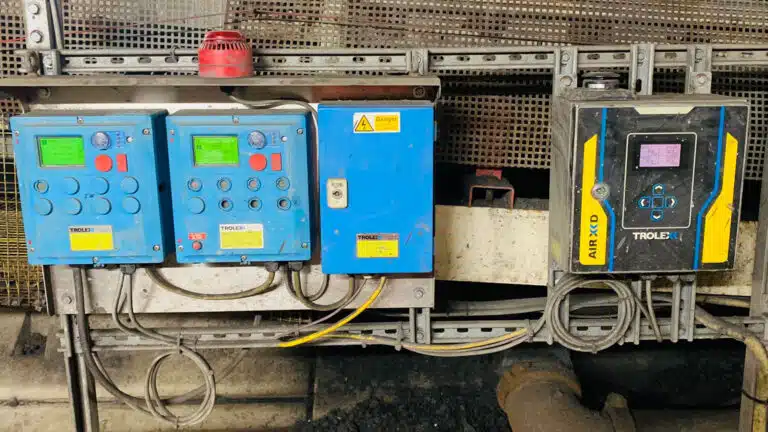
The AIR X range of particulate monitors allows you to design, monitor and control your air quality systems in hazardous industrial environments, in real time — wherever and whenever it’s needed.


The AIR X range of particulate monitors allows you to design, monitor and control your air quality systems in hazardous industrial environments, in real time — wherever and whenever it’s needed.

Brought to you by the world’s leading brand in gas detection for mines and tunnels, SENTRO X is our most advanced and efficient gas detection system yet.The Trolex TX6310 SENTRO X Controller is the main control unit within the SENTRO X suite, housing the central intelligence of the gas detection system. It's been ruggedly designed for direct operation in underground hazardous areas and heavy industrial applications.
Available in General Purpose with new Power-Over-Ethernet and ATEX + IECEx Grp I versions.
Don’t risk exposure to hazardous substances when working on a construction site. Real-time dust monitoring and gas detection could prevent a lifetime of ill health.
With our cutting-edge real-time gas and dust monitoring technology, we’re consistently analysing your risk and alerting you to any possible overexposure of dangerous substances, so you can continue do your job hassle free.








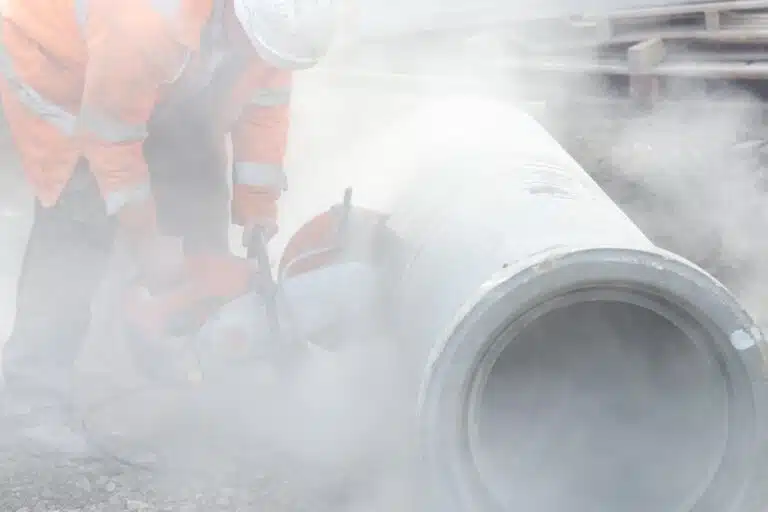
Arguably the most well-known and common risk associated with exposure to hazardous dusts in the workplace relate to occupational lung diseases. Diseases such as Silicosis, Chronic Obstructive Pulmonary Disease (COPD), Black Lung Disease and occupational lung cancer all are associated with dust inhalation in the workplace.
Whilst long-term exposure to breathing in dust can lead to lung diseases, initial, short-term exposure to hazardous dusts can lead to respiratory illness and irritation. Breathing in dust such as Respirable Crystalline Silica (RCS) and wood dust can cause serious respiratory diseases; the NHS claim it’s the third biggest cause of death in England.
Exposure to breathing in hazardous dust can lead to cardiovascular diseases and other heart and blood vessel issues. Dust and hazardous particulates can easily travel through your bloodstream and deep into your lungs, damaging your blood vessels in the process. This can increase blood pressure and make it more likely to give you blood clots.
The British Thoracic Society reports that occupational asthma is responsible for roughly 1/6 cases of adult-onset asthma. Occupational asthma can be caused by various types of dust in multiple different industries, such as flour dust, wood dust, grain dust and various fumes from metals.
There have been examples of various other health concerns relating to workplace exposure to hazardous dust. Skin, eye and nose irritation, as well as some rare examples of kidney disease have all been linked to examples where workers have failed to protect themselves against hazardous dust.
OVERVIEW
Customer / End User
Application
Industry
Country
Product(s) used
Challenge
We provided WFF member Cambrian Granite with real-time monitoring technology for processes involving silica-containing materials, including engineered stone polishing, cutting and drilling. Nigel Fletcher, Operations Manager at the WFF, explained that the purchased AIR XS Silica Monitor helps members distinguish and monitor respirable crystalline silica in time across environments practice.
Outcome
For the WFF and members such as Cambrian Granite, it’s all about ensure workers are regularly protected in the most effective way possible through real-time monitoring and data. “We are hopeful that our partnership with Trolex supports our members, future membership and the industry in understand how best practice and modern technology can work in partnership.”
Worktop Fabricators Federation (WFF) encouraged their members to implement real-time silica monitoring technology to support their existing control measures when working with materials containing crystalline silica.
The WFF is a non-profit organisation for those using industrial fabrication methods to make worktops from natural stone and similar man-made materials, who promote professionalism, installation and most notably best practice across the worktop fabrication industry.
We supplied WFF member Cambrian Granite, a member of the WFF, with Trolex real-time monitoring to use across their processes working with silica-containing materials like engineered stone, such as polishing, cutting and drilling worktops.
Aiming to consistently follow best practice when working with engineered stone, we spoke to Nigel Fletcher, Operations Manager at the WFF, who have recently purchased an AIR XS Silica Monitor to allow members to actively monitor for and distinguish RCS in real-time, regardless of their occupational environment, when following best practice.
“The WFF is committed to promoting best practice when it comes to working with silica and that includes water suppressed cutting, using the correct and most effective PPE and recommending annual health checks for workers.”
It’s essential that workshops using silica containing products adhere to best practice, including implementing control measures to reduce RCS, which poses a threat to workers health, WFF also sees strong value in implementing real-time RCS monitoring to ensure control measures are working to the highest standard to protect workers.
“The WFF has partnered with Trolex to give a real-time solution to the industry. Real-time RCS monitoring has huge advantages, as it’s a way of safeguarding and understanding the environment around the workshop.
Looking at real-time data whilst in the workshop, to see how effective best practices and control measures are, helps safeguard the workforce.”
WFF members themselves have a priority of ensuring that workers and occupational environments remain safe and at minimal risk of RCS exposure. Rob Kunkel, Business Develop Manager at Cambrian Granite said, “when protecting our workers from the dangers of RCS, we always use wet polishing and as much CNC work as possible.”
For Rob and his team at Cambrian Granite, the benefit of knowing RCS levels in real-time is paramount; “the real-time data helps keep our staff well protected by making sure areas of both the factory and rest areas are safe environments to be in.”
The goal for the Federation and all it’s members, with this partnership and moving forward to reduce exposure to RCS, is to always enable a safer future and positive workplace environment for all their members. And it’s a goal strengthened by supporting the adoption of real-time RCS monitoring.
“We are hopeful that our partnership with Trolex supports our members, future membership and the industry in understand how best practice and modern technology can work in partnership.”
For Nigel the Federation’s goal to provide a safer future and positive working environment for all their members is strengthened through our collaboration as we seek to support the adoption of real-time RCS monitoring.
It’s not just a case of ensuring workplaces are safe from RCS for WFF members, but also to effect positive change when working with RCS in the future, thanks to this partnership.
“One of the WFF’s goals is to half the workplace exposure limit. Real-time monitoring can have the capacity to actively guide and aid members to ensure their RCS levels are consistently in line, or below, and workplace exposure limits.”
New test findings released, confirm the efficacy of a world-first real-time monitor for silica dust, which represents a revolution in the protection for workers exposed to respirable crystalline silica (RCS) dust.
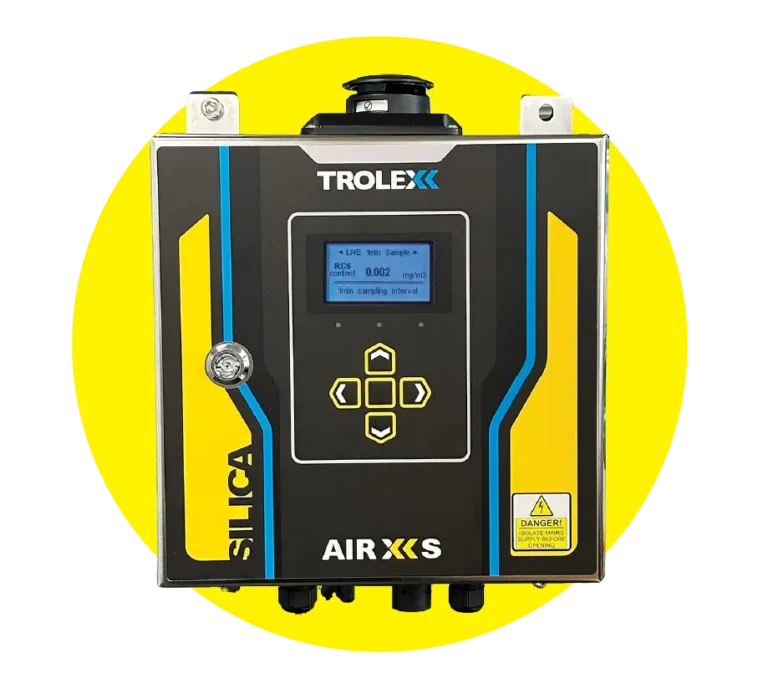
As a leading workplace safety technology company, we have developed the AIR XS Silica Monitor, designed to protect workers against lung diseases such as silicosis by providing real-time readings of levels of crystalline silica in the air.
We have recently commissioned a leading occupational hygiene and laboratory testing organisation to conduct independent testing of the AIR XS. The results show the AIR XS repeatedly provided consistent, accurate, real-time data throughout an eight-hour testing period.
The testing demonstrates that AIR XS can improve worker safety by providing instant information to businesses and workers exposed to RCS, instead of having to wait up to four weeks to know their level of exposure to this killer dust, which is the current industry standard.
While the Australian Government recently implemented a ban on engineered stone, commencing 1 July 2024, the process most synonymous with creating silica dust, Group CEO Glyn Pierce-Jones said this ban alone would not solve the current health crisis caused by RCS.
“Silica dust is found in most building materials, so while banning engineered stone is a positive step, it’s not a holistic solution. The real issue facing the industry is the current archaic methods of testing for silica dust and the delay it causes in creating the safest possible workplace.”
The AIR XS is already being used in Australia to monitor RCS levels in many industrial locations.
Silica occurs naturally in soil, sand and granite; however, it is almost harmless in that state. Once those materials have been disturbed through construction or mining, silica dust is generated and can be inhaled into the lungs. This dust can cause silicosis, and other types of lung diseases and cancer, which are often irreversible and progressive.
Recent research from The Lung Foundation showed an estimated 600,000 Australian workers and between 40-50 million workers worldwide are exposed to silica dust across a wide range of industries including quarrying, construction, tunnelling, mining and many manufacturing processes.
The current approach to test for RCS is gravimetric sampling, the process requires collection, processing, and laboratory analysis of the sample, which is both time-consuming and costly for businesses. Direct-reading instruments offer businesses the ability to monitor employee safety on sites in real-time, eliminating the delays of weeks typically associated with potential RCS exposure.
Mr Pierce-Jones emphasised the urgent need for enhanced safety measures for anyone who may be in contact with silica.
“The current testing methodology for RCS only allows users to take an average reading over an eight-hour period and typically takes up to four weeks to produce a result,” Mr Pierce-Jones said.
“Our AIR XS Silica Monitor was designed to provide an accurate reading with immediate results, letting workers know when their health is in danger and allowing employers to respond in the most efficient manner.”
“These latest test results are another indicator of what we already knew at Trolex – that the AIR XS could be part of a desperately needed solution to an urgent health crisis.”
You can request the full independent AIR XS testing report by following the link below.

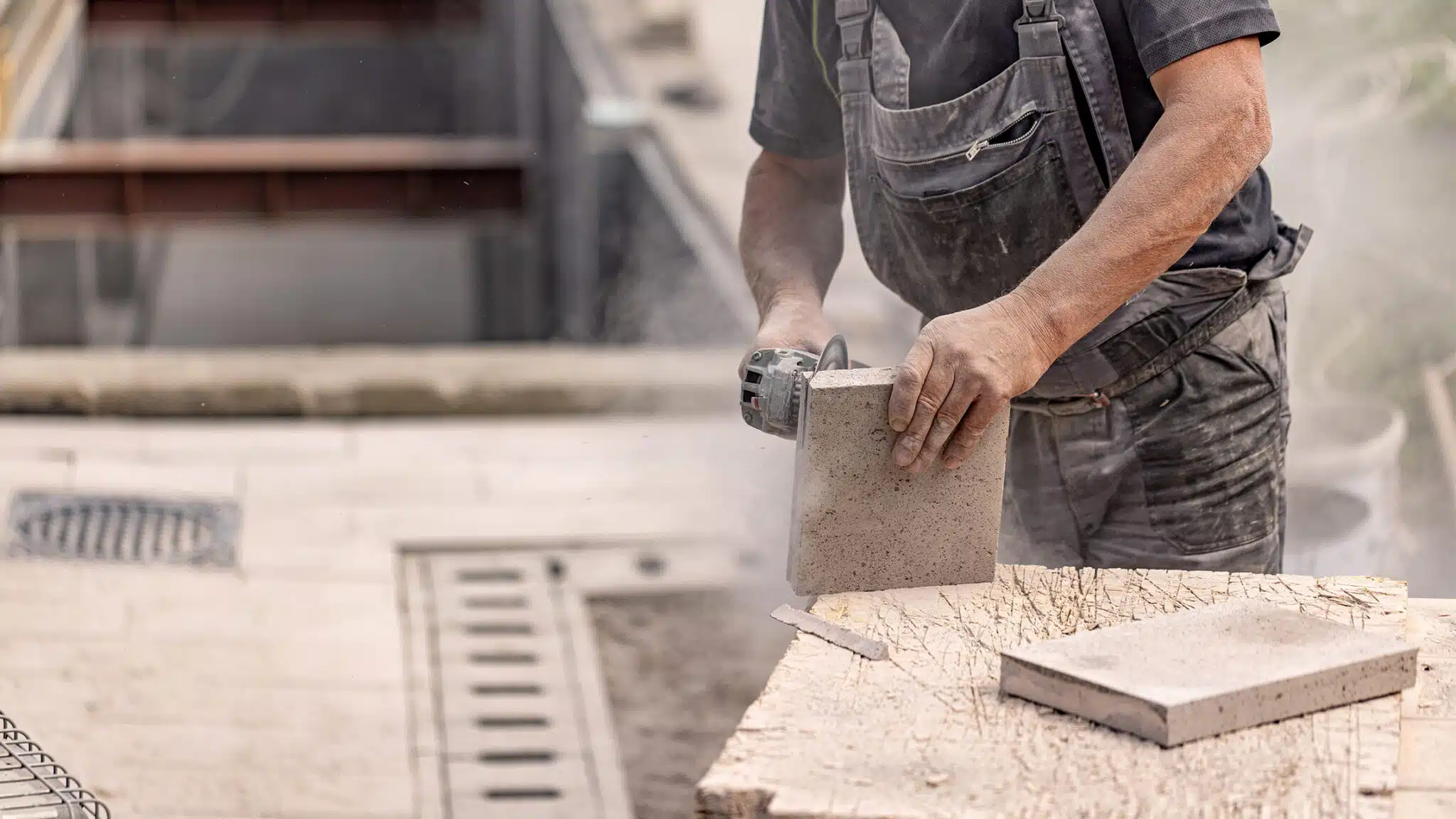
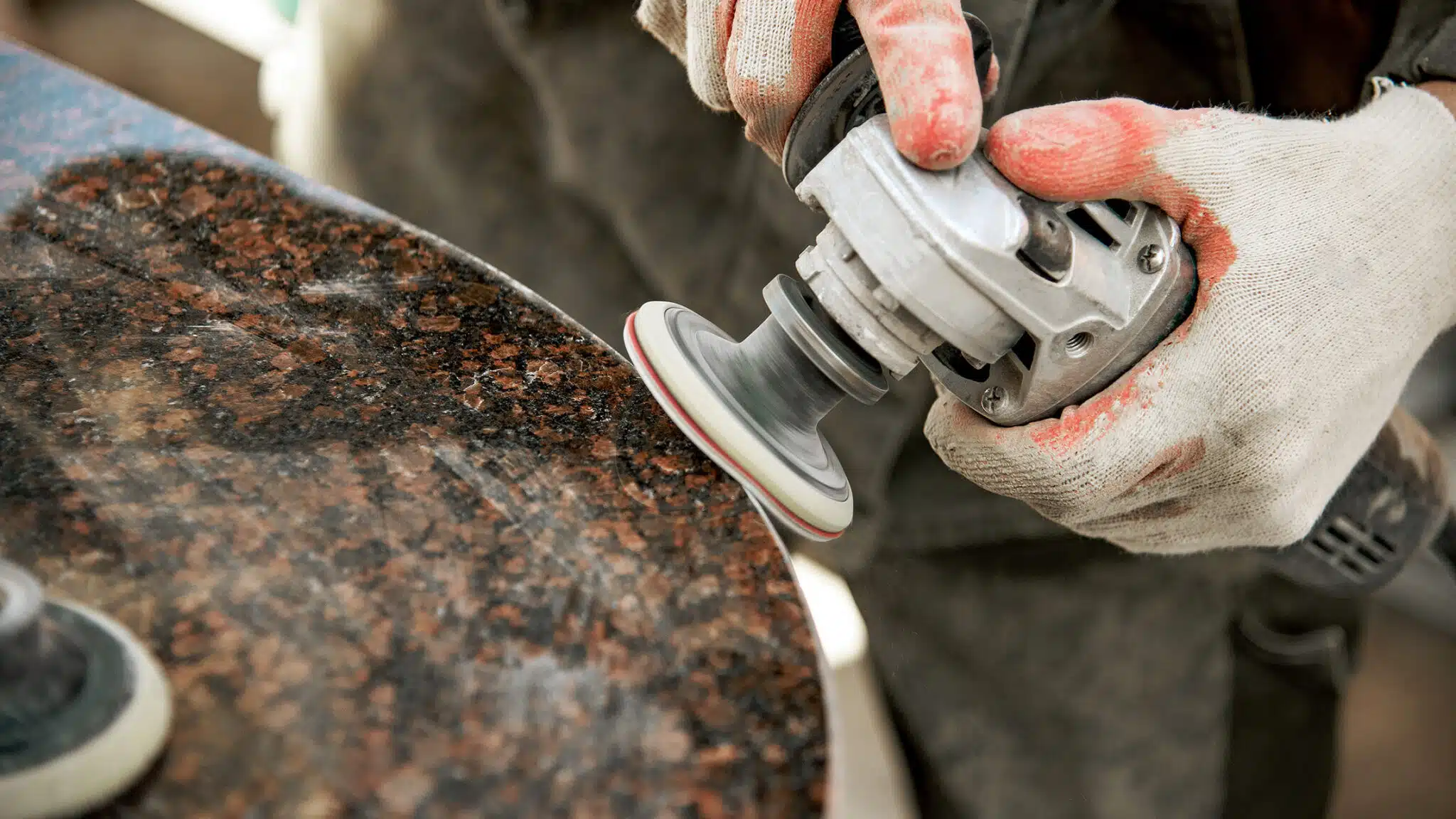
In December 2023, Australia became the first country in the world to ban engineered stone due to rising cases of silicosis. From 1st July 2024, all use of engineered stone in Australia will be prohibited to protect workers from exposure to RCS in the workplace.
Engineered stone is a manufactured material made from combining quartz or granite aggregates with resins and pigment and is a common material used in stone bench tops, often found in kitchens and bathrooms. It’s production often results in airborne RCS, leading to significant health risks to those working with it.
With reports that over half a million Australians are exposed to fine silica dust through stonemasonry and construction, figures suggest 103,000 of these workers are likely to be diagnosed with silicosis.
The production and manufacturing of stone bench tops is a significant contributor to these statistics. The ban on engineered stone across the entirety of Australia is a step in the right direction to reduce the number of workers exposed to RCS and silicosis diagnosis in the future.
This ruling in Australia looks to have a set a precedent in influencing other countries to do the same. In May 2024, the first cases of silicosis linked to artificial stone countertops in the UK were reported, leading to calls for the material to be banned.
An estimated 600,000 workers are exposed to silica in the UK each year, and in Europe as a whole, 81% of those exposed are employed in construction or in manufacturing products used in the industry.
After Australia became the first country worldwide to ban engineered stone in December 2023, UK kitchen company Herringbone announced they would also ban the sale of high-silica quartz worktop due to the risks posed to stonemasons.
Since speaking with their stonemasons about the risk of high quartz in engineered stone, Herringbone made the decision to become the first company in the UK to phase out the sale and production of engineered stone, as well as creating a petition to have the product completely banned in the UK, like in Australia.
In the US, the Biden administration has agreed to limit workers exposure to silica dust in mining, particularly when drilling for coal, ore and completing other mining operations. In April 2024, a ruling was announced to reduce the allowable silica dust levels in mining operations to 50 micrograms per cubic meter, with an action level at 25 micrograms, for an eight-hour workday.
The ruling will also update any respiratory protection standards for mining workers and in addition to silica dust, will also apply to diesel particulate matter and asbestos. The hope is that this will begin to reduce an estimated 1,067 deaths and 3,746 silica related illnesses in mining industries in the US and begin to make mining safer from the risk of RCS for the 55,000 American coal miners across the nation. The rule will come into action one year after its publication in April 2024.
With significant action being taken across major industries worldwide as of mid-2024 and onwards, protection for workers against respirable crystalline silica is becoming more of a high priority in workplaces. With banning of products known to produce dangerous levels of RCS, and with rule changes to limit exposure, workers short- and long-term lung health is becoming better protected than ever.
OVERVIEW
Customer / End User
Application
Industry
Country
Product(s) used
Challenge
Thermatic Homes’ electricians prioritise dust control when using chase machines, employing extraction, masks, door screening, thorough cleaning, and air spraying. In homes, unlike construction sites, fully suppressing dust is difficult, with staff noting growing awareness of dust’s health risks, driving continual efforts to improve safety and minimise exposure for workers and residents.
Outcome
XD ONE Portable Dust Monitor provides real-time dust readings, protecting workers and customers while demonstrating Thermatic Homes’ commitment to safety. Its use signals industry leadership and encourages contractors to exceed standards. This proactive approach helps combat workplace respiratory disease, reinforcing a strong commitment to health, safety, and innovation in construction practices.
Based in Salford, M&E contractor Thermatic Homes has more than 70 electricians out in the field rewiring properties for social housing providers including The Wates Group, Unitas, Brunswick Regeneration and Bolton at Home.
As an ex-electrician himself, Thermatic MD Karl Wallace is aware of the dust challenges their work creates:
“There are a lot of issues created by dust,” he says. “Chasing through to the brickwork and masonry is extremely intrusive and there’s a huge amount of dust created. We’re conscious that it’s potentially a dangerous environment if not controlled properly.”
It’s one of many reasons why Thermatic’s electricians always use dust extraction on their CHASE machines. Why they always wear dust masks, always screen doors and why they always hoover, clean, and spray the air with water.
Unlike a traditional building site, it’s not possible to saturate the air in people’s homes with water.
“It’s never ideal and being an ex electrician who’s rewired many a house, you always want to do more.
“Year on year as more information comes out about the harmful effects of dust, we’re increasingly aware of the dangers and want to do everything we can to prevent them.”
Which is why, when Karl was introduced to the XD ONE by Trolex MD Steve Holland, he was so keen to get it out on site to trial for dust detection. “What a wonderful idea!” says Karl. “It looks perfect.”
After all, what better way to instantly identify the dust threat than with accurate, real-time dust monitoring and readings? Even better that they’re available on wearable devices his team can just clip on as they work.
A real-time reading of the room designed not just to protect Thermatic workers but also to gain a clear understanding on dust levels that might impact on customers, too.
As important as the XD ONE Portable Dust Monitor is in protecting workers and tenants, using it also sends a very clear message to the industry, not just from Thermatic, but also from the main contractors Thermatic work for.
Very much a “we go above and beyond” message, any main contractor can be rightly proud to do their bit in helping to prevent the 12,000 deaths a year from workplace respiratory disease by using Thermatic and Trolex XD ONE Portable Dust Monitor.
It’s a pioneering approach in the construction industry that really prioritises health and safety and makes clear the commitment to worker and customer safety.
With the XD ONE now onsite as part of a pilot phase to monitor rewiring and upgrade projects, we’ll be reporting back very soon.
Says Karl, “I’m really looking forward to seeing what kind of data the XD ONE gives us, the degree of harm it detects and what we can do about it.”
In the meantime, if you want any more information on how the XD ONE can keep your workers and customers safe from the dangers of avoidable dust and particulate inhalation get in touch today.