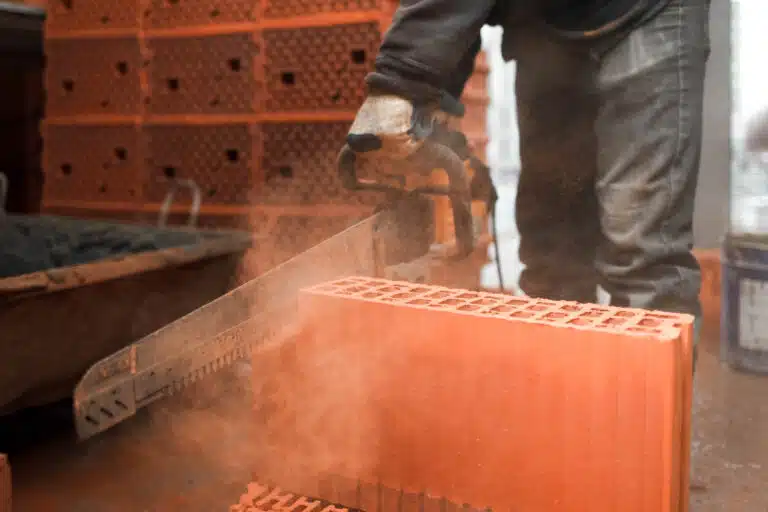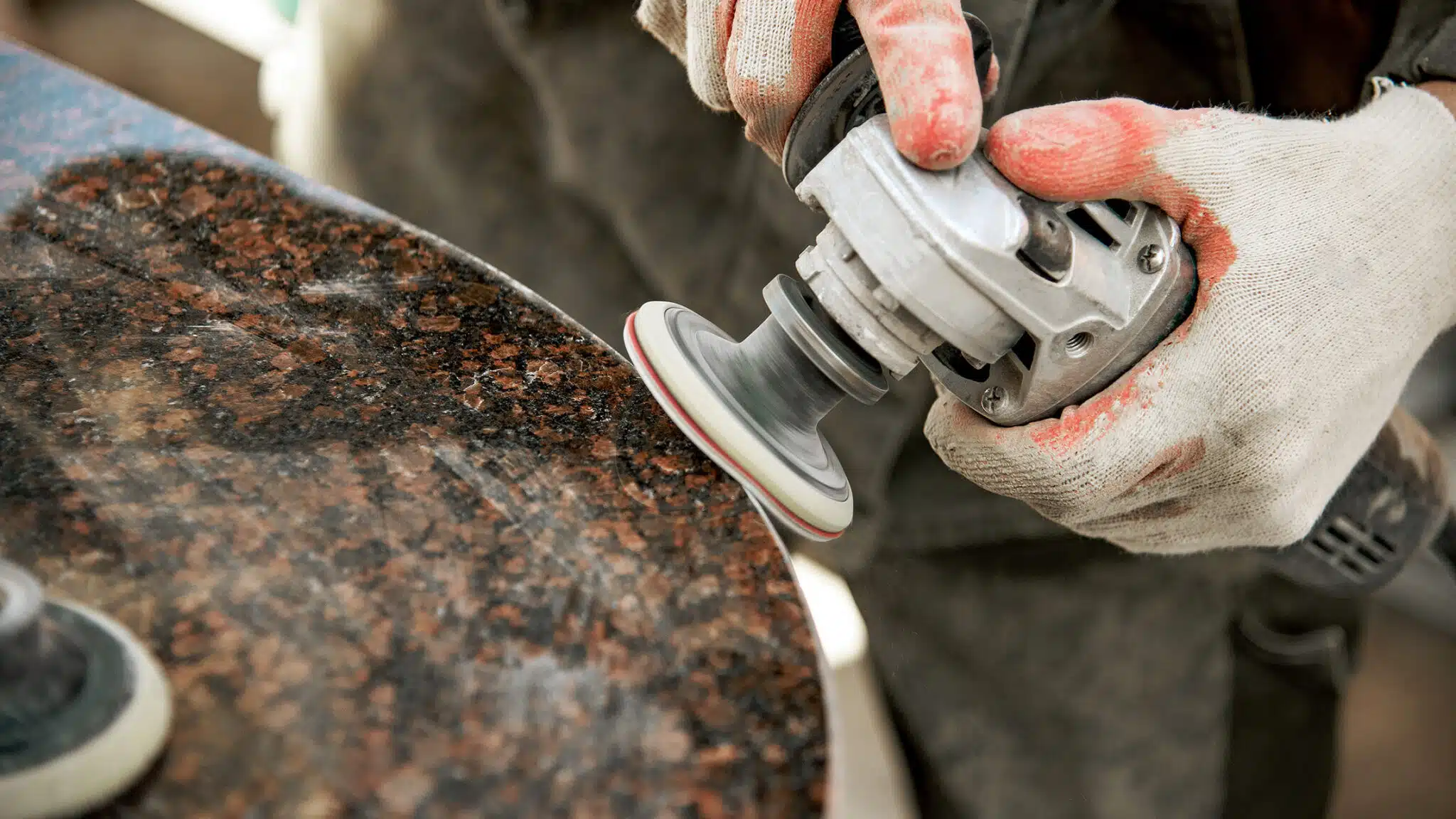
This news comes after cases of silicosis linked to engineered stone exposure recently came to light globally. Workers who have been exposed to engineered stone quartz and dust are now being affected by and diagnosed with severe lung problems, linked to inhaling such dust. Earlier in the year, it had prompted the Australian government to act and ban the use, manufacturing, and production of engineered stone across the entire country.
Now the UK is being urged to do the same, with the first cases of occupational silicosis related to engineered stone production have now been reported in the country. Various medical staff who have treated workers diagnosed with these cases of silicosis are calling for similar action to be taken in the UK as in Australia.
According to British newspaper i the first 8 cases of silicosis linked to engineered stone use have been confirmed, all of which are men. The average age of the 8 men is 34, with the youngest to be diagnosed just 27 years old. Of the 8 cases, 1 man has died, and 2 others have been referred for lung transplant assessments.
The article from i features an interview with one of the diagnosed workers, Malik al-Khalil, a stonemason who is just 31. After working with engineered stone for 5 years, Malik was diagnosis with silicosis, contracted after cutting engineered stone slabs in a small London workshop. Malik said, “I want to let all the people working in this work know what’s happening from this material” and believes the only solution to this growing problem is a nationwide ban of the product; “Of course [it should be banned] because the silicosis is coming from this material.”
It’s not just Malik and fellow diagnoses patients who are calling for engineered stone to be banned in the UK. Dr Johanna Feary, a respiratory consultant from the Royal Brompton Hospital where Malik al-Khalil is being treated, and lead author for ‘Thorax’, has also highlighted her concerns over exposed to the product. Dr Feary told i “We’ve been anticipating that we would start seeing cases in the UK at some point. That moment has arrived now.”
The team of doctors writing in ‘Thorax’, who highlighted the first 8 cases, have also called for a legal requirement to report cases of silicosis, as well as calling for the implementation of health and safety regulation for both small companies and national guidelines to treat and monitor for silicosis.
OVERVIEW
Customer / End User
Application
Industry
Country
Product(s) used
Challenge
British stone manufacturers underwent the XD1+ trial across their workforce and quarrying processes to engage further with their dust control measures. Worker exposure to airborne dust including silica dust was high, so the need for personal dust monitoring can be important across a range of different processes and activities.
Outcome
We provided two XD1+ Personal Dust Monitor devices as part of the XD1+ trial programme across Burlington Stone’s workforce to monitor for dust levels in both breathing zones and high activity areas across the site, to both determine causes of excess dust levels and support with effective dust control.
A manufacturer of prestigious natural stone, Burlington Stone have quarried for over 200 years across the English Lake District. Meeting each individual clients’ needs for roofing slate, flooring, cladding, interiors and landscapes, Burlington Stone extract and craft a diverse range of signature British natural slate and stone products.
We spoke to Health and Safety Manager at Burlington Stone, Peter Walker, to understand how deploying personal dust monitoring impacted processes in stone manufacturing and wider quarrying activities at Burlington Stone.
Across their range of projects, worker exposure to airborne dust including silica dust is high, so the need for personal dust monitoring can be important across a range of different processes and activities.
We provided two XD1+ Personal Dust Monitor devices as part of the XD1+ trial programme across Burlington Stone’s workforce to monitor for dust levels in both breathing zones and high activity areas across the site, to both determine causes of excess dust levels and support with effective dust control.
Being able to monitor in a variety of different locations and compare the differences in results through BreatheMOBILE is one of the main benefits which XD1+ has over similar products on the market.
This ability inevitably means trends in dust levels can be tracked and looked into in relation to what task was being completed in what location.
For Burlington Stone, the capability to both monitor dust levels and see live data not only helped to make health and safety decisions but also increased worker engagement on why these decisions were being made.
The versatility of the unit is absolutely fantastic, as XD1+ allowed us to monitor for two jobs at the same time. In one shed there is an L-shaped work conveyor with 10 people working on it, so we had one device on a worker at one end and another device at the other end, about 40 metres apart, and then monitored the outcome.
They were doing exactly the same task, with the same tools and risk assessment controls, but the difference in readings was shocking.
That was all down to how they wet damp their station down, how hard they hit the slate, how hard they drop the slates down or if they place them gently. The amount of behavioural traits the unit helped us notice was fantastic.”
It was interesting looking into workers doing certain tasks, and BreatheMOBILE is one of the simplest tools I’ve had to use!”
If we saw a spike, we could come back to that time and say, ‘There was a big spike at 10:30 am, what were you doing?’ and identify the spikes in relation to what activity was happening at that time.”
Deploying real-time personal monitoring isn’t just a short-term solution. It gives the workforce reasons to engage with their own health and safety protocols.
“It wasn’t intrusive on our staff and meant there was still freedom for them when working!
The guys themselves who aren’t normally involved in health and safety were really interested.
Once we were stood next to them with BreatheMOBILE on the phone showing them the graphs, they bought in instantly.
Suddenly, we got people hitting things with hammers and waiting to see the graphs change, because they could understand which tasks were causing the spike.”