SUPPORTING UNDERGROUND HEALTH AND SAFETY IN REAL TIME

Customer / End User

STRABAG

Application

Mineral Transportation

Industry

Tunnelling

Country

United Kingdom

Product(s) used

TX8005 AIR XD
TX9165 SENTRO 8
TX6351-2 SENTRO 1
TX6648.40 IS Battery Back Up

Challenge

STRABAG are constructing the world’s longest conveyor tunnel, 36.7 km long for the transportation tens of millions of tonnes of Polyhalite. Demonstrating the scale of tunnelling and underground construction capabilities in the UK, it’s also highlighted the need for innovation and social responsibility throughout the process.

Outcome

Trolex were selected to supply a range of AIR X real-time particulate monitors and audio/visual alarms to monitor for PM2.5 to PM10 constantly, as well as gas detectors, sensors, and logic systems which constantly watch for key gases such as CH4, CO, NO, H2S, SO2 and O2.

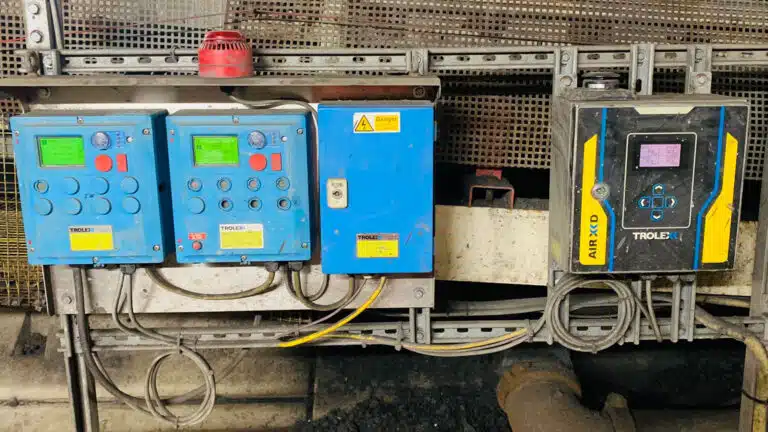
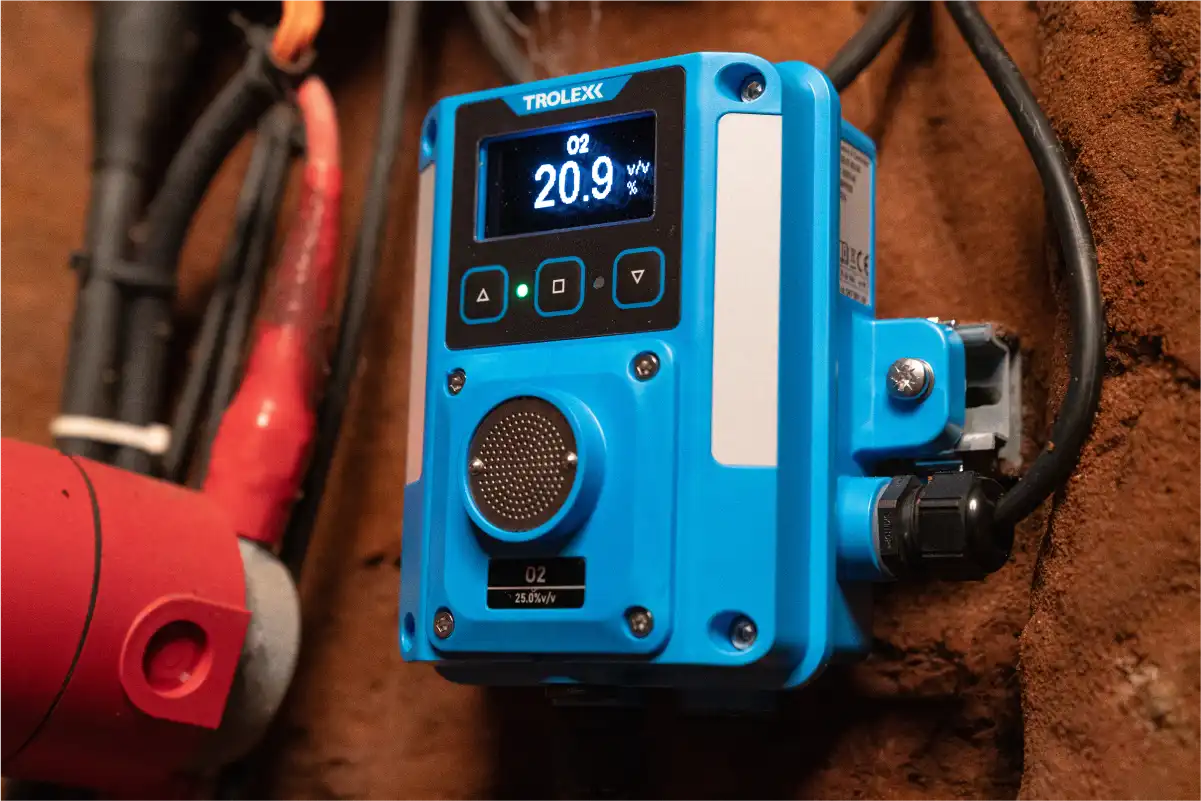
TROLEX REAL-TIME AIR XD AND SENTRO 8 GAS DETECTOR

Company & Application

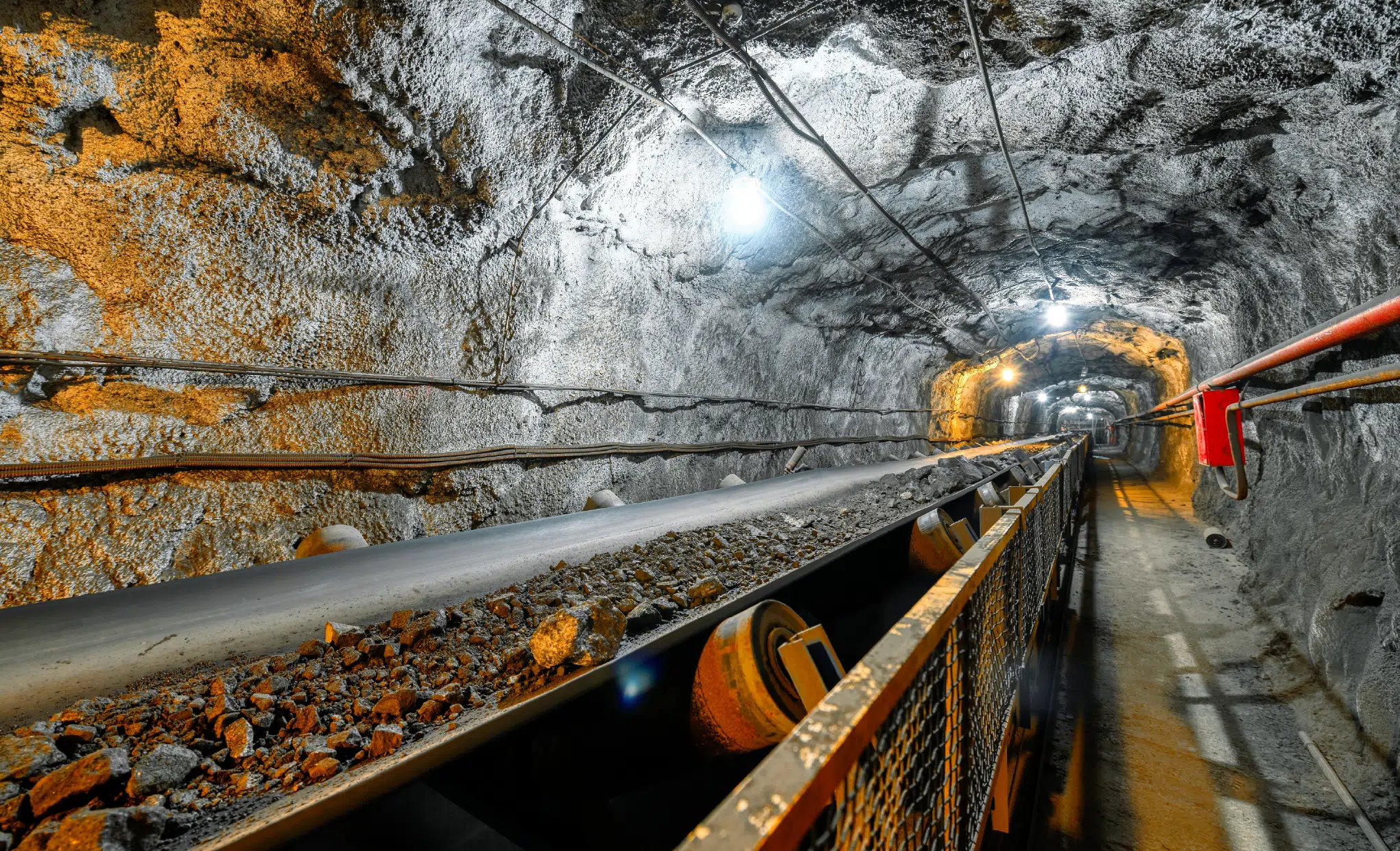
STRABAG UK’s tunnelling project, based in North Yorkshire, UK, is being constructing as the world’s longest conveyor tunnel, known as the Mineral Transport System, as part of the Woodsmith mine development. This project will see transportation of tens of millions of tonnes of Polyhalite, a naturally occurring mineral substance and subsequently when crushed, POLY4, a multi-nutrient fertiliser used worldwide.

The project began launching a Tunnel Boring Machine to commence a 36.7km long tunnel, which was constructed using a single shield machine. This length of tunnel is expected to be a new world record with the tunnel fit out, including a new full length conveyor system.

The Challenge

The project demonstrates the scale of the tunnelling and underground construction capabilities in the UK, also highlighting the need for focus on innovation and social responsibility throughout all processes. The 380 m-deep shafts were constructed using the blind-bore method, not only with the aim of reducing carbon emissions, but also to improve general on-site safety. Extensive air quality monitoring was required throughout the entire project and, notably, Trolex systems were fitted to ensure reliable and accurate monitoring is available and maintained throughout the entire project.

“This really is a pioneering project, and we are honoured to be able to provide a robust reliable and accurate set of sensors combined with modern logic to help keep workers safe and operations running efficiently and with minimum down time.”

Steve Holland

Managing Director, Trolex

TX9165 SENTRO 8 AND TX6648.40 TROLEX POWER SUPPLY

The Trolex plan

A range of Trolex real-time solutions have been identified for use in the STRABAG project for the detection of hazardous gases and dusts in this tunnelling project. 236 devices, including SENTRO 8 Gas detector, SENTRO single Gas detectors and AIR X real-time Particulate Monitors have been fitted across multiple systems with a total of 824 individual sensors for both gas detection and dust monitoring.

As well as particulate ranges from PM2.5 to PM10 being constantly monitored, logic systems constantly watch for key gases such as CH4, CO, NO, H2S, SO2 and O2. Local emergency Audio/Visual alarms, Trolex Flow Sensors and Intrinsically Safe Battery Back-Up units have been added to back up the system and add intelligent data to the data all powered by intrinsically safe battery back-up units.
The Trolex solution

Alongside the systems being implemented across the tunnelling project, the Tunnel Boring Machine itself has also been fitted with multiple gas detectors, as well as Audio/Visual alarms and sensors.

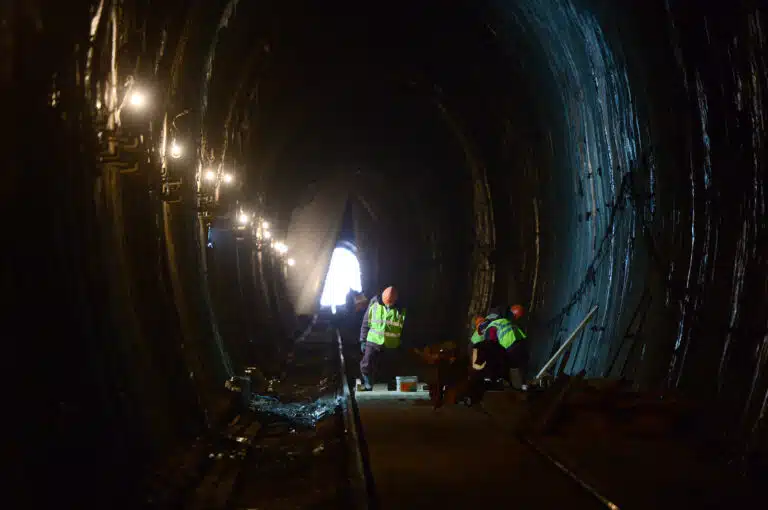
Due to the nature of tunnelling projects, with fast paced demolition, excavation and drilling processes, cutting, concrete spraying and transportation generates fine dust and particulates as a by-product of natural materials like rock and sand being disturbed, increasing risk of lung diseases and respirable health issues.

The recognised risk of using combustion engines and diesel-powered equipment often produces carbon monoxide and Diesel Particulate Matter is something the project was increasingly aware of, something the system will flag through data indicators across its broad range of sensors.

Gas sensors are already actively working as the mining machine hits pockets of hydrocarbons which set the unit into alarm, and where necessary lower down the mining machine to avoid risk of explosion.

What it meant moving forward

Providing this pioneering safety technology to STRABAG meant the project has joined a long-standing reputation of safety instrumentation being supplied to workers by Trolex in some of the most challenging environments over the last 65 years.

Like many other underground industry leaders across the globe, STRABAG made the decision to deploy multiple Trolex detectors, monitoring equipment, sensors and alarms demonstrating to their workers that health and safety is a priority on this project, and a superior approach, not only for producing the highest quality throughout the tunnelling project, but also with a conscious effort on the effects relating to the workforce wellbeing and the wider society.

TROLEX TUNNELLING SOLUTIONS

Image of TX8005 AIR XD Dust Monitor
TX8005 AIR XD Dust Monitor

Image of TX6310 SENTRO X Gas Detector
TX6310 SENTRO X Gas Detector

Image of TX9165 SENTRO 8
TX9165 SENTRO 8

Image of TX6351-2 SENTRO 1
TX6351-2 SENTRO 1

Image of TX66xx Series Power Supplies
TX66xx Series Power Supplies

Image of TX6141-3 Pressure Monitoring Systems
TX6141-3 Pressure Monitoring Systems

Image of TX592x Vortex
TX592x Vortex

TROLEX CASE STUDIES

PRODUCT SALES ENQUIRIES

GET TROLEX TUNNELLING UPDATES

    You may unsubscribe from these communications at any time. For more information on how to unsubscribe, our privacy practices, and how we are committed to protecting and respecting your privacy, please review our Privacy Policy.

    PARTICULATE MONITORING

    1-in-10 tunnelling
    workers exposed
    to silica dust in their lifetime

    Just how dangerous is silica exposure in tunnelling?

    Silica dust in tunnelling is a real, measurable risk. Research looking at tunnel projects in Queensland suggests around 1 in 10 underground tunnel workers could develop silicosis in their lifetime as a result of day-to-day exposure during drilling, excavation, poor dust control and limited ventilation.

    We break down what that study found, why it matters beyond Queensland (and even beyond Australia) and why real progress depends on better visibility of the risk — so you can see when exposure rises, act fast and keep control measures on track.

    That’s where real-time silica monitoring changes the game. When you can see live exposure levels across a shift, you don’t have to rely on assumptions. You can pinpoint the tasks, locations and specific moments that result in high exposure and implement the necessary control measures to mitigate the risks.

    If you’re responsible for worker health then this is a practical read for you. It’s about moving from “1 in 10 at risk” to “0 in 10”, by using better visibility, better decisions and better overall worker protection.

    PARTICULATE MONITORING

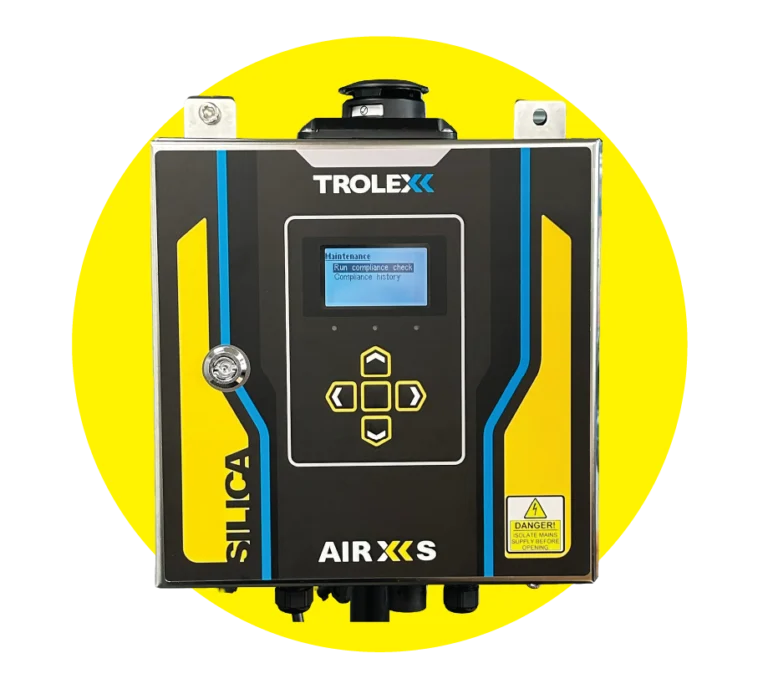
    Image of TX8100 AIR XS Silica Monitor
    TX8100 AIR XS Silica Monitor

    Image of TX8005 AIR XD Dust Monitor
    TX8005 AIR XD Dust Monitor

    Image of TX8061 XD1+ Personal Dust Monitor
    TX8061 XD1+ Personal Dust Monitor

    Image of AIR X Software
    AIR X Software

    GET MORE UPDATES LIKE THIS

      You may unsubscribe from these communications at any time. For more information on how to unsubscribe, our privacy practices, and how we are committed to protecting and respecting your privacy, please review our Privacy Policy.

      INDUSTRY RISKS
      · TUNNELLING INDUSTRY

      According to Health + Safety International, 1-in-10 tunnel workers are at risk of developing silicosis in Australia. Exposure to crystalline silica, as well as other types of hazardous dust are common in tunnelling due to various types of tunnelling processes.

      What are the risks?

      • Arsenic dusts
      • Construction dust
      • Diesel Particulate Matter (DPM)
      • Respirable Crystalline Silica (RCS)
      • Wood dust
      • Nitrogen Dioxide
      • Hydrogen Sulphide
      • Sulphur Dioxide
      • Oxygen
      • Flammable gases
      • Methane
      • Ammonia

      Why may these risks occur?

      • Drilling into rock + existing structures
      • Excavation of rocks
      • Lack of effective ventilation
      • Loading + unloading of materials
      • Transportation + use of machinery
      • Transportation of raw materials
      • Blasting into natural structures
      • Drilling natural structures
      • Excavation of rock
      • Natural deposits in rocks
      • Use of vehicle + machine engines

      PRODUCT SOLUTIONS

      Image of Particulate Monitoring
      Particulate Monitoring

      Image of Gas Detection
      Gas Detection

      Image of Other Products
      Other Products

      Was this page helpful?

        More detail requiredMore variety of content neededIncorrect informationBroken linksHard to readUnclear page formatting

          DetailVariety of contentUseful informationEasy to readPage formatting

          GET PRODUCT UPDATES

            You may unsubscribe from these communications at any time. For more information on how to unsubscribe, our privacy practices, and how we are committed to protecting and respecting your privacy, please review our Privacy Policy.

            5 tunnelling scenarios where respirable dust is generated

            Demolition of structures

            Creating reinforced structures, tracks and enforcing lighting in tunnelling requires demolition of pre-existing underground areas through explosivesThese heavy-duty industrial processes create large volumes of respirable dust due to the destroying of natural materials such as rock and sand, presenting major risk to workers health.

            Use of TBMs

            Alongside demolition to create tunnels, Tunnel Boring Machines (TBM) are also used. The sheer velocity and speed which TBM’s operate at often generates high levels of respirable dust, and due to conditions of the environment underground, this dust cannot always be properly controlled, posing risk when workers enter the tunnel. 

            Shotcreting onto surfaces

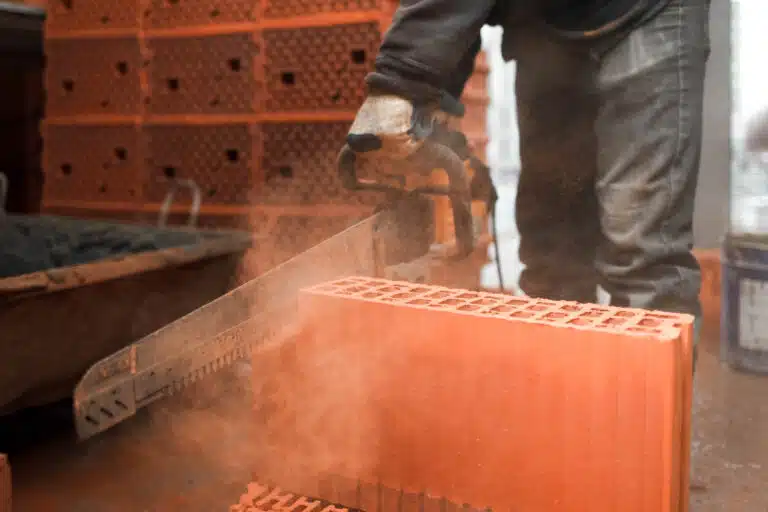
            A construction technique where concrete or mortar is sprayed onto a surface for reinforcementshotcreting involves large volumes of dust throughout the tunnel construction. The shotcreting process causes splash-back of dried concrete, which is ground down and creates dust, putting workers on the job at risk of health issues. 

            Rock bolting

            It’s not just the creation of tunnels that creates high levels of dust. Maintenance and support processes such as rock bolting in tunnelling also creates airborne respirable dust. By drilling directly into the rock and installing bolts to make the structure more stable, respirable dust is generated from the rock, exposing all underground workers. 

            Transport of materials

            Rocks and stones often need transporting from one area of a tunnel to another for enforcing areas. With the brittle nature of these materials and the rugged environment, these materials easily break down. As well as this, the large industrial vehicles underground kick up sand and dirt, creating large volumes of respirable dust. 

            PARTICULATE MONITORING

            Image of TX8100 AIR XS Silica Monitor
            TX8100 AIR XS Silica Monitor

            Image of TX8061 XD1+ Personal Dust Monitor
            TX8061 XD1+ Personal Dust Monitor

            Image of TX8005 AIR XD Dust Monitor
            TX8005 AIR XD Dust Monitor

            Image of TX8060 XD ONE Portable Dust Monitor
            TX8060 XD ONE Portable Dust Monitor

            GET AIR X UPDATES

              You may unsubscribe from these communications at any time. For more information on how to unsubscribe, our privacy practices, and how we are committed to protecting and respecting your privacy, please review our Privacy Policy.

              5 health risks linked to occupational dust exposure

              1. Occupational lung diseases

              Arguably the most well-known and common risk associated with exposure to hazardous dusts in the workplace relate to occupational lung diseases. Diseases such as Silicosis, Chronic Obstructive Pulmonary Disease (COPD), Black Lung Disease and occupational lung cancer all are associated with dust inhalation in the workplace. 

              2. Respiratory illness and irritation

              Whilst long-term exposure to breathing in dust can lead to lung diseases, initial, short-term exposure to hazardous dusts can lead to respiratory illness and irritation. Breathing in dust such as Respirable Crystalline Silica (RCS) and wood dust can cause serious respiratory diseases; the NHS claim it’s the third biggest cause of death in England. 

              3. Cardiovascular diseases

              Exposure to breathing in hazardous dust can lead to cardiovascular diseases and other heart and blood vessel issues. Dust and hazardous particulates can easily travel through your bloodstream and deep into your lungs, damaging your blood vessels in the process. This can increase blood pressure and make it more likely to give you blood clots. 

              4. Occupational asthma

              The British Thoracic Society reports that occupational asthma is responsible forroughly 1/6 cases of adult-onset asthma. Occupational asthma can be caused by various types of dust in multiple different industries, such as flour dust, wood dust, grain dust and various fumes from metals.  

              5. Long-term health concerns

              There have been examples of various other health concerns relating to workplace exposure to hazardous dust. Skin, eye and nose irritation, as well as some rare examples of kidney disease have all been linked to examples where workers have failed to protect themselves against hazardous dust. 

              PARTICULATE MONITORING

              Image of TX8100 AIR XS Silica Monitor
              TX8100 AIR XS Silica Monitor

              Image of TX8061 XD1+ Personal Dust Monitor
              TX8061 XD1+ Personal Dust Monitor

              Image of TX8005 AIR XD Dust Monitor
              TX8005 AIR XD Dust Monitor

              Image of TX8060 XD ONE Portable Dust Monitor
              TX8060 XD ONE Portable Dust Monitor

              GET AIR X UPDATES

                You may unsubscribe from these communications at any time. For more information on how to unsubscribe, our privacy practices, and how we are committed to protecting and respecting your privacy, please review our Privacy Policy.

                Industry Solutions

                Quarrying
                Solutions

                You’re probably aware that working with natural materials like rock and sand, consistently disturbing them by excavating and drilling is releasing fine dust and even in some cases hazardous gases. So, what are you going to do about it? Don’t leave it to chance.

                TROLEX QUARRYING SOLUTIONS

                Particulate Monitoring

                Image of TX8100 AIR XS Silica Monitor
                TX8100 AIR XS Silica Monitor

                Image of TX8005 AIR XD Dust Monitor
                TX8005 AIR XD Dust Monitor

                Image of TX8061 XD1+ Personal Dust Monitor
                TX8061 XD1+ Personal Dust Monitor

                Image of AIR X Software
                AIR X Software

                Gas Detection

                Image of TX6310 SENTRO X Gas Detector
                TX6310 SENTRO X Gas Detector

                Image of TX9165 SENTRO 8
                TX9165 SENTRO 8

                Image of TX6351-2 SENTRO 1
                TX6351-2 SENTRO 1

                Image of Gas Detection
                Gas Detection

                Other Products

                Image of Other Products

                Other Products

                Image of Aethair Technology

                Aethair Technology

                PRODUCT SALES ENQUIRIES

                GET PRODUCT UPDATES

                  You may unsubscribe from these communications at any time. For more information on how to unsubscribe, our privacy practices, and how we are committed to protecting and respecting your privacy, please review our Privacy Policy.

                  INDUSTRY SOLUTIONS

                  Tunnelling
                  Solutions

                  Limited airflow. Restricted workspaces. Heavy-duty processes. Sounds like a recipe for exposure to hazardous particulates and gases. With Trolex real-time safety technology, ensure your tunnelling processes aren’t exposing you and your workers to excess hazard.

                  TROLEX TUNNELLING SOLUTIONS

                  Gas Detection

                  Image of TX6310 SENTRO X Gas Detector
                  TX6310 SENTRO X Gas Detector

                  Image of TX9165 SENTRO 8
                  TX9165 SENTRO 8

                  Image of TX6351-2 SENTRO 1
                  TX6351-2 SENTRO 1

                  Image of Gas Detection
                  Gas Detection

                  PARTICULATE MONITORING

                  Image of TX8100 AIR XS Silica Monitor
                  TX8100 AIR XS Silica Monitor

                  Image of TX8005 AIR XD Dust Monitor
                  TX8005 AIR XD Dust Monitor

                  Image of TX8060 XD ONE Portable Dust Monitor
                  TX8060 XD ONE Portable Dust Monitor

                  Image of AIR X Software
                  AIR X Software

                  Other Products

                  Image of Other Products

                  Other Products

                  Image of Aethair Technology

                  Aethair Technology

                  PRODUCT SALES ENQUIRIES

                  GET PRODUCT UPDATES

                    You may unsubscribe from these communications at any time. For more information on how to unsubscribe, our privacy practices, and how we are committed to protecting and respecting your privacy, please review our Privacy Policy.